

Sainte Lydwine de Schiedam
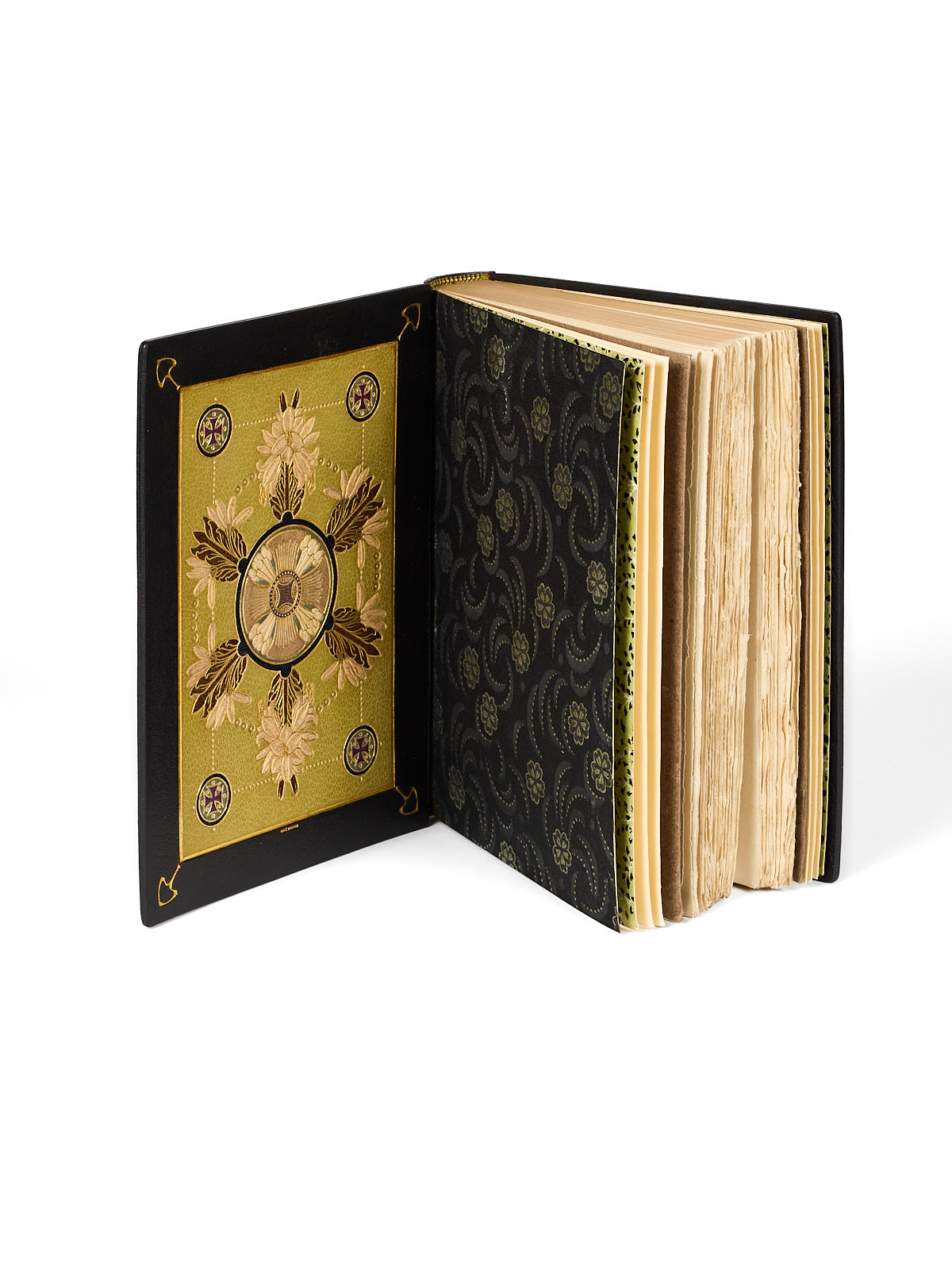
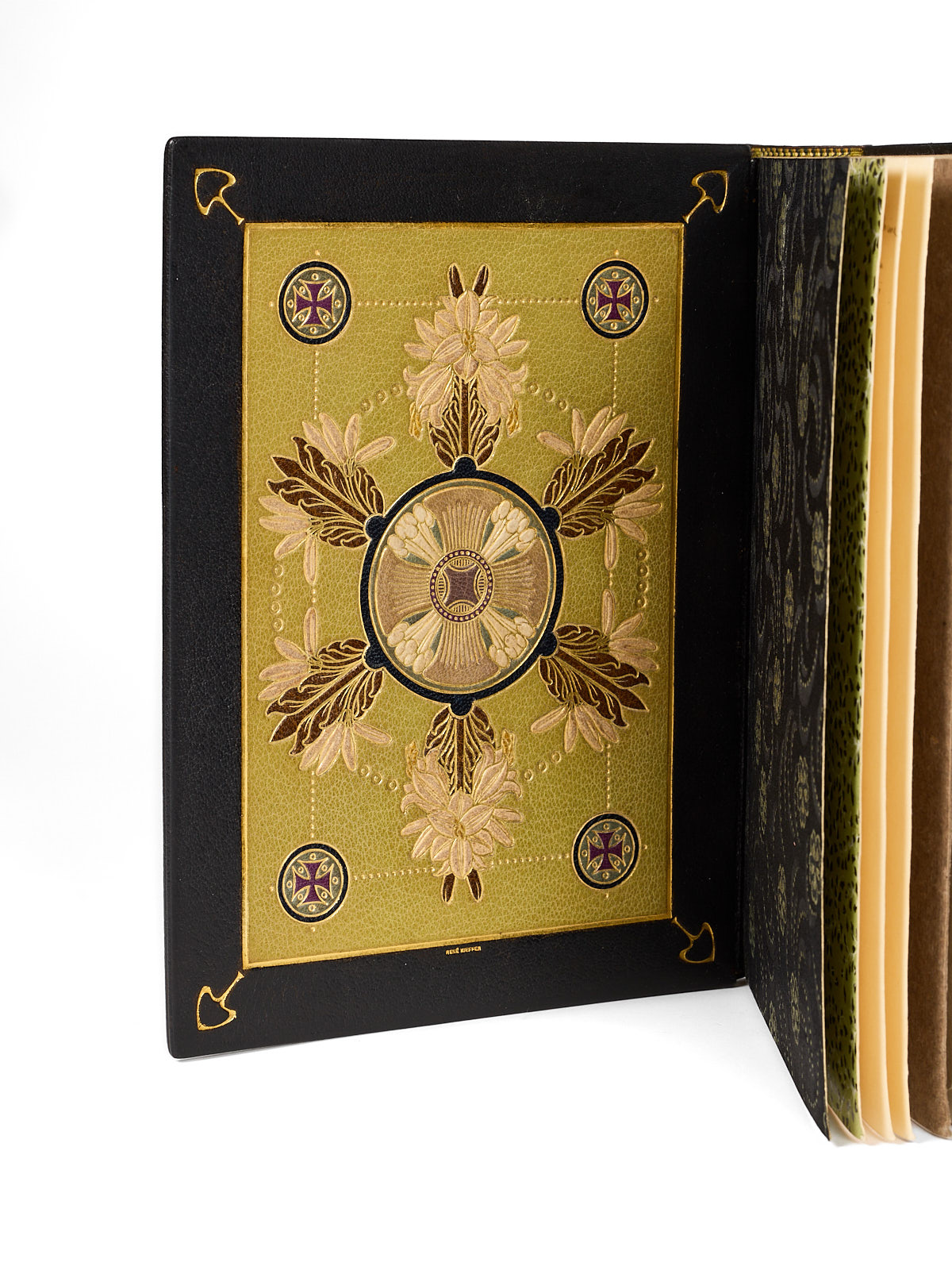
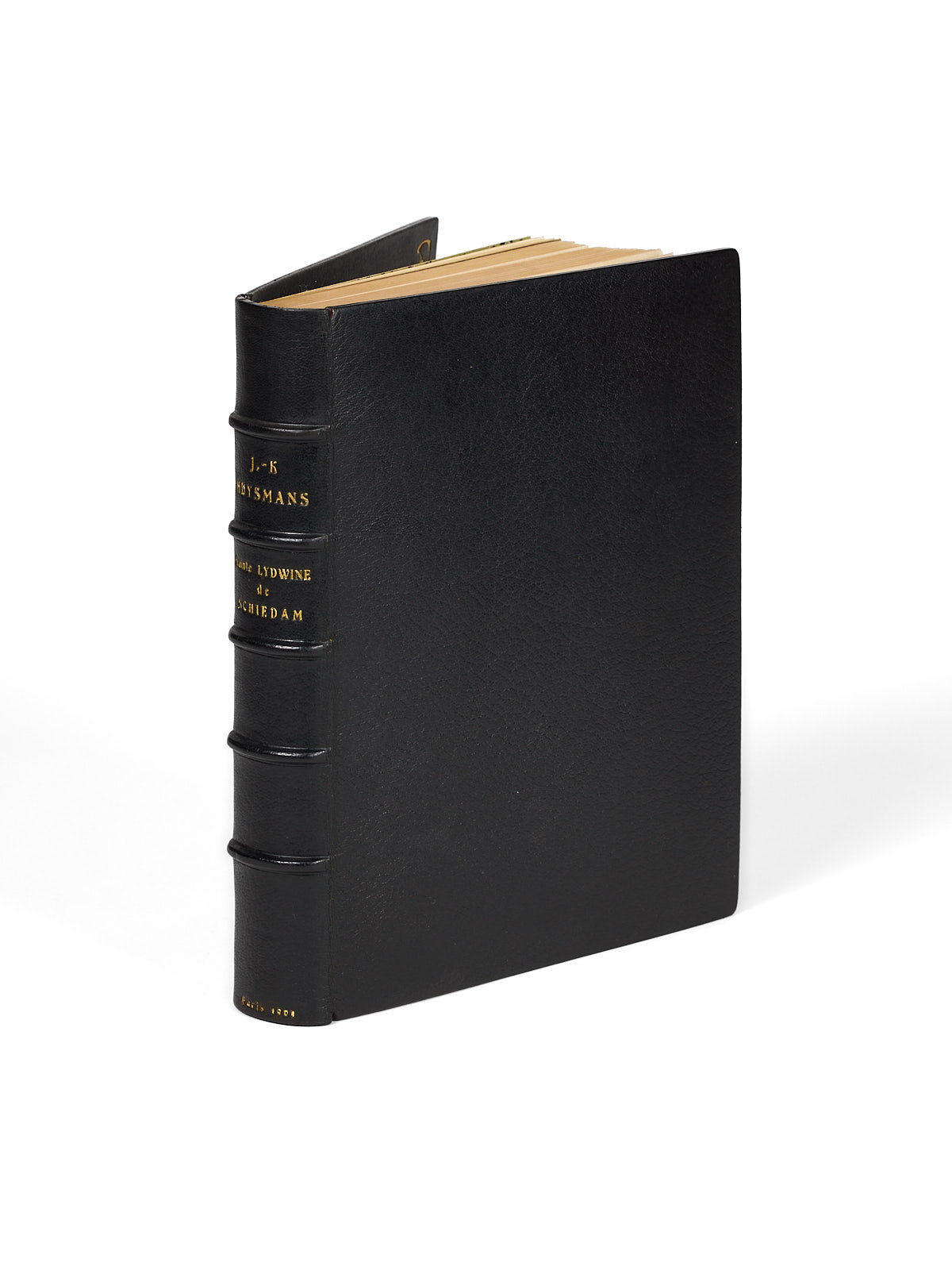
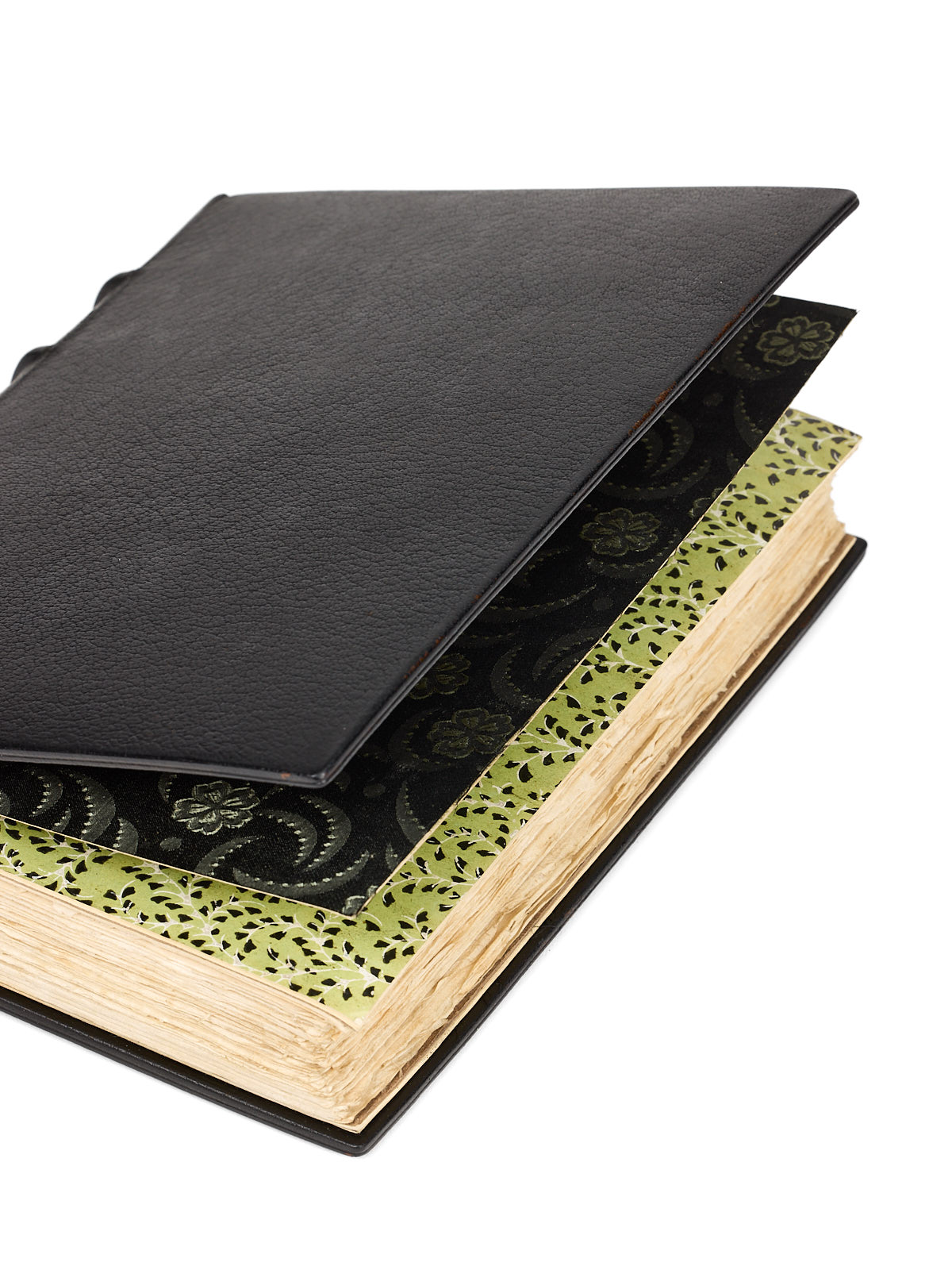
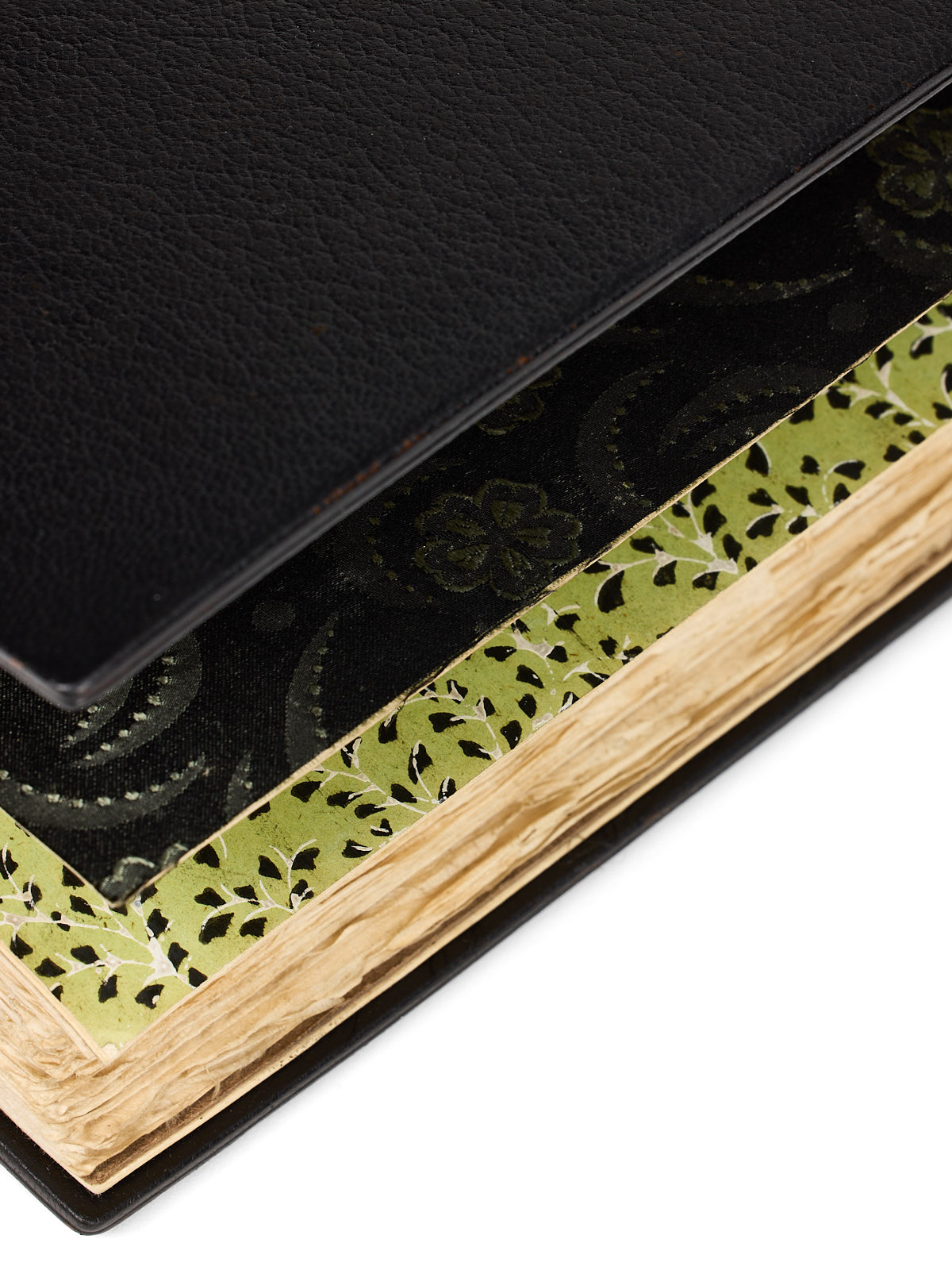
One of the first ten copies on China paper (no. 7).
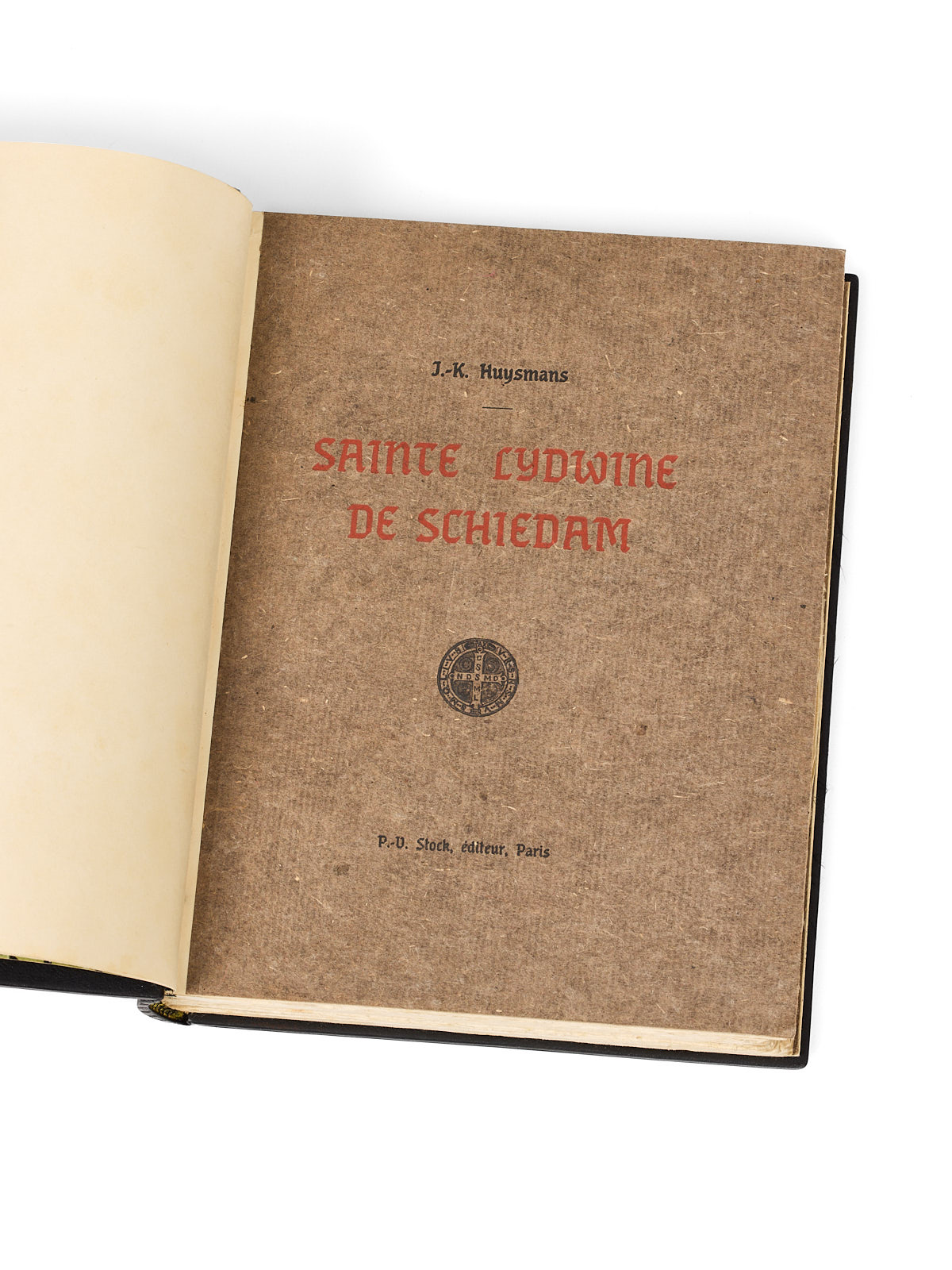
The first chapter appeared in the journal Durendal in March 1901, followed on 8 June by the trade edition published by Stock, with a deluxe printing produced in Hamburg in a typeface designed by Georg Schiller, printer to the Emperor. Huysmans had, however, conceived the project of writing a life of the Blessed Lydwine of Schiedam, born in 1380, as early as 1895, six years earlier. In the autumn of 1897 he traveled to Holland and spent several days in Schiedam, then began writing, just after the publication of La Cathédrale, at the start of 1898. The work was completed at Ligugé during the summer and autumn of 1899.
Through this figure of a suffering saint, Huysmans sought to affirm his belief in the doctrine of mystical substitution, echoing the effects of a “mystical naturalism” and a “supernatural realism” that he admired in the painting of Grünewald. Huysmans wrote to Princess Bibesco that the book “will go its own quiet way, whether its enemies like it or not. I believe it can do good, console the sick, give a more virile idea of religion, show those unfamiliar with it the mystical soul.” “This hagiography is a further illustration of the supra-naturalist method. Huysmans attempts to rival the primitive painters. The ravages that dreadful illnesses inflict on the body of the Flemish visionary are depicted with pitiless crudity. But beyond, or because of, the horror, the mystical quality of the martyr must emerge and, ultimately, radiate. The book opens with a masterly and somber evocation of the state of Europe at the beginning of the fifteenth century” (Philippe Audouin, Huysmans, p. 169).