


Vents
Vents represents the second period of Alexis Léger’s — Saint-John Perse’s — American production. After the four poems of the Exil cycle, which marked his return to creative writing between 1941 and 1944, the great poem Vents represents his “anchoring” across the Atlantic. Through his American friend Archibald MacLeish, Alexis Léger obtained a post as literary advisor at the Library of Congress, of which MacLeish was then the administrator. It was then that he resumed his poetic production, in this year of Allied victory. 1945 marks the beginning of the writing of this great epic poem.
The composition of Vents is intimately linked to Seven Hundred Acre Island, a wild island off the coast of Maine, on the Penobscot peninsula, which he had been visiting since 1942; the wind, the sea, the foam. It was there that the poem, sketched out over the preceding months, was completed, imbued with other striking American landscapes Perse had discovered that spring, traces of which remain in the poem: Arizona, Texas and Colorado, where the shamanic practices of the Navajo left a lasting mark on his mind.
A letter to his friend Katherine Biddle dated September 20, 1942, written as he was discovering this island in Maine, already testifies to what the future collection would owe to the magical setting of Seven Hundred Acre Island: “Dear Katherine, it has been nearly a month now that I have given myself over, alone, to the enchantment of this wild yet private island, where the affectionate care of an old friend from France, Béatrice Chanler, arranged for me the possibilities of a true retreat. […] I would not have dared to dream of an isolation like that of this island — heightened, it is true, by the war: the closing of villas on all the neighboring islands, the disarming of yachts, the enlistment of fishermen, gasoline rationing, the prohibition on sailing after certain hours, etc. What a reward is the recovered mystery of this island, now closed upon itself like a strong, silent and self-assured soul, whose intimacy is a new revelation to me every day. Here I lead a broad physical life, as a trail-clearer, woodsman, scavenger of wrecks, cold-water swimmer, […]. My daily visitors: a pair of ospreys, whose nest I know on a small uninhabited neighboring island, reachable by row-boat; a great blue heron, a familiar presence in my coves at twilight; and an old solitary seal, frightened by my dog friend, who follows us swimming, along the shore where we walk….”
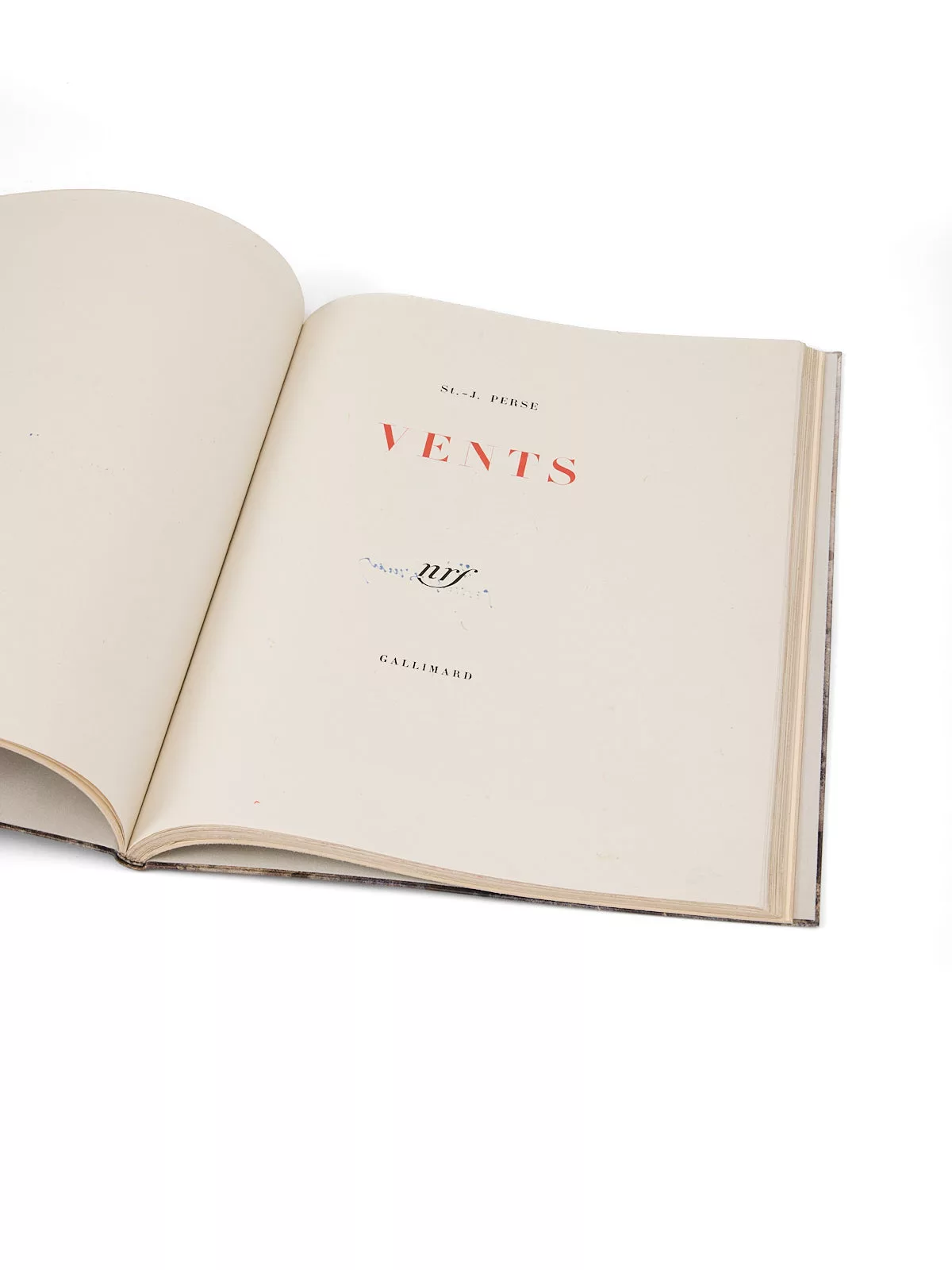
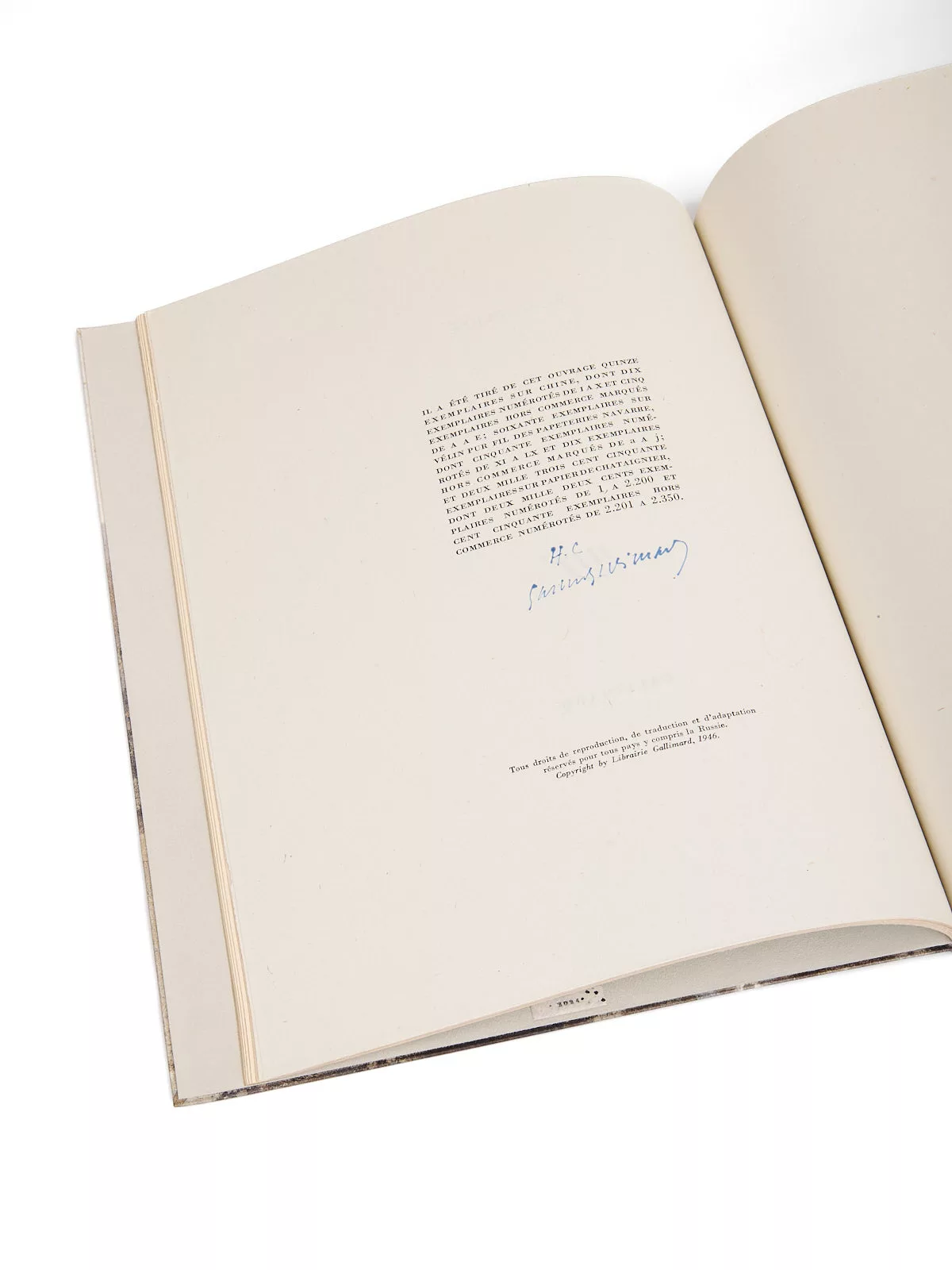
Vents was published by Gallimard in 1946 in a large-format deluxe edition, in a limited and numbered printing. Claudel devoted an important study to it in the Revue de Paris (November 1, 1949), to a poet still regarded by the French public as “unknown,” and moreover distant, in exile. When his Œuvres complètes were published for La Pléiade, for which the poet wrote the notes himself, he said the following of it: “Saint-John Perse always attached particular importance to Vents within his body of work. This poem was undoubtedly the least accessible to the French reader, because, at the poet’s own request, it was at first published only in a deluxe edition, of large format and large typography, in a limited and entirely numbered printing.”
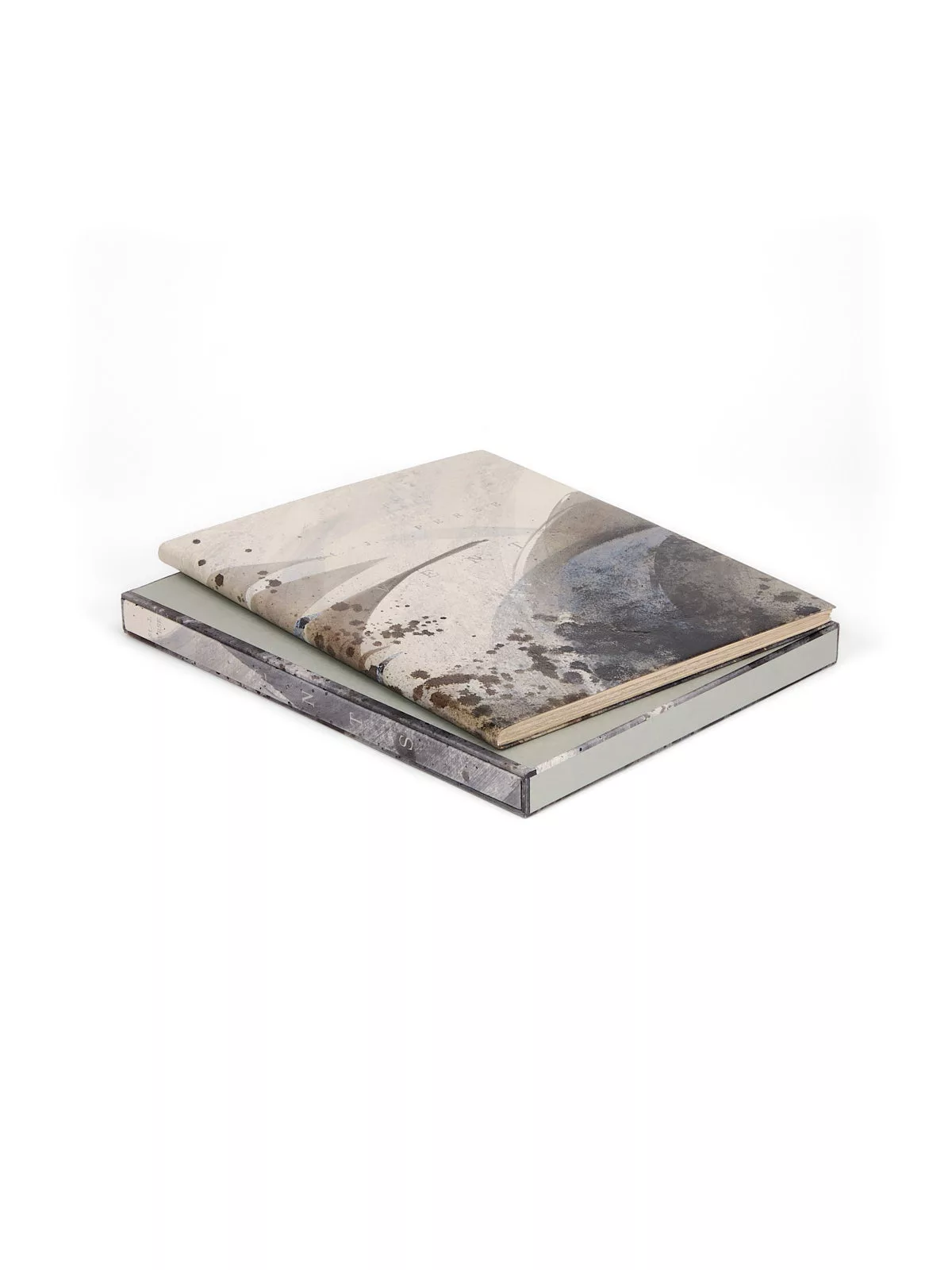
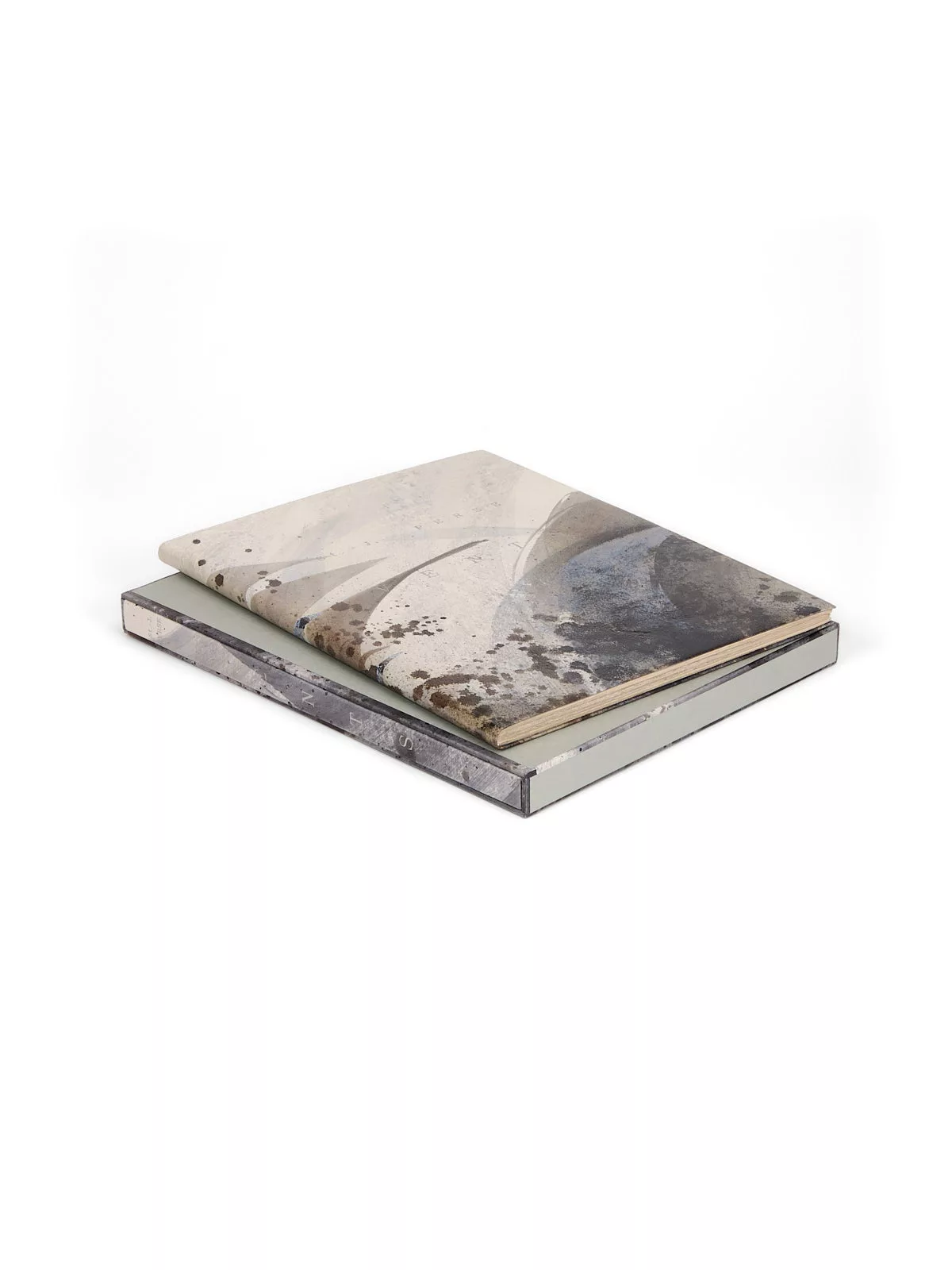
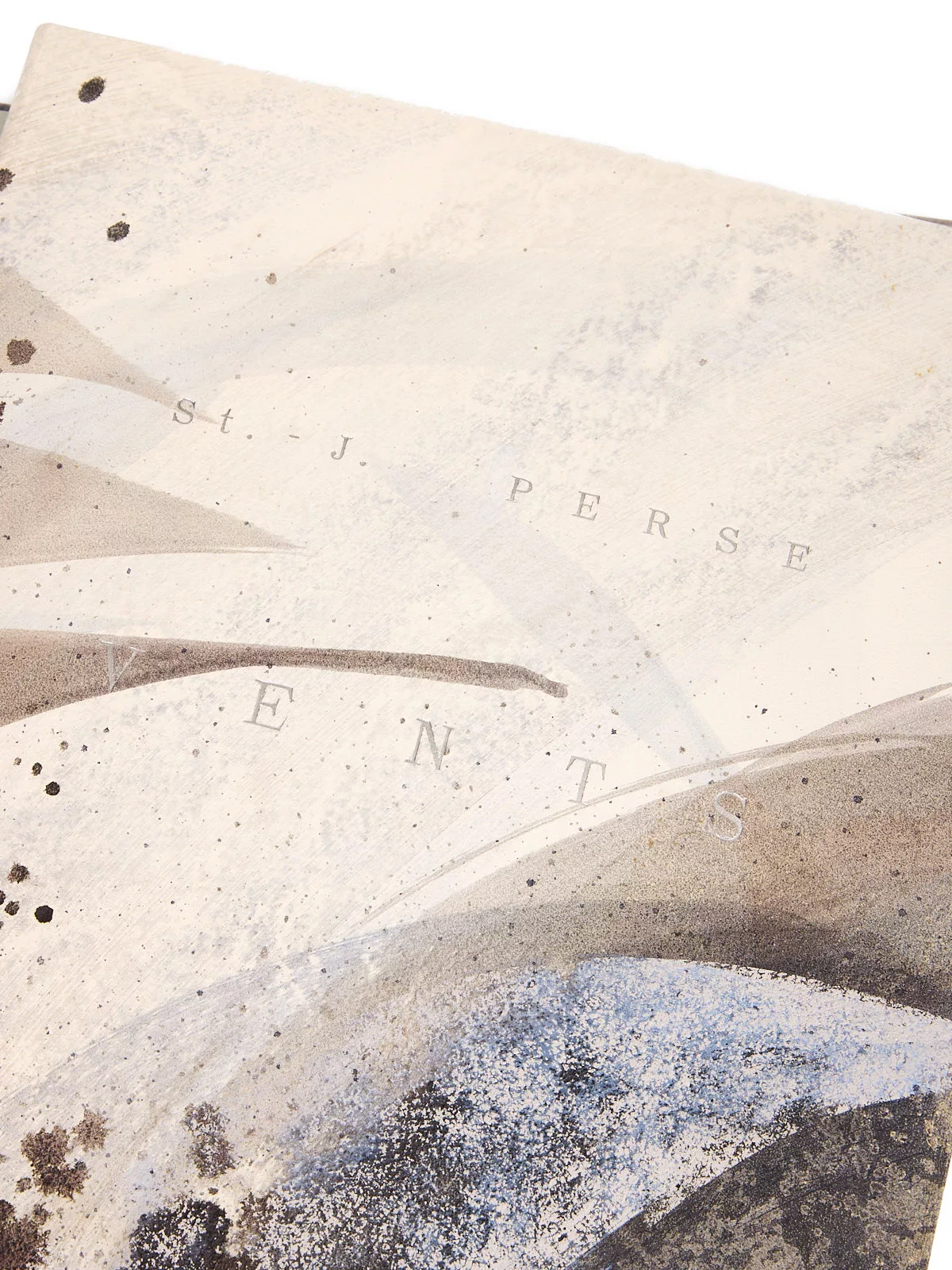
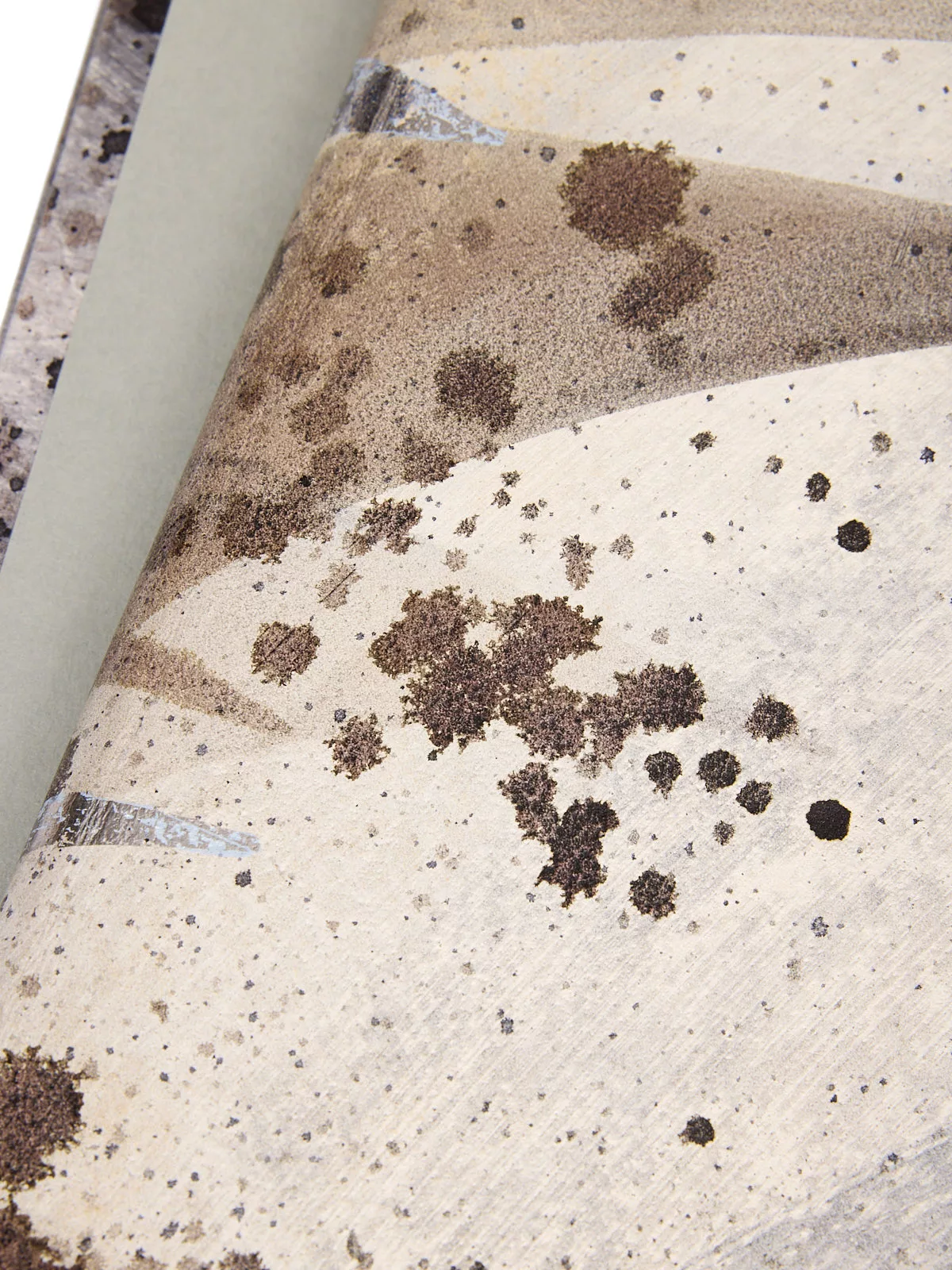
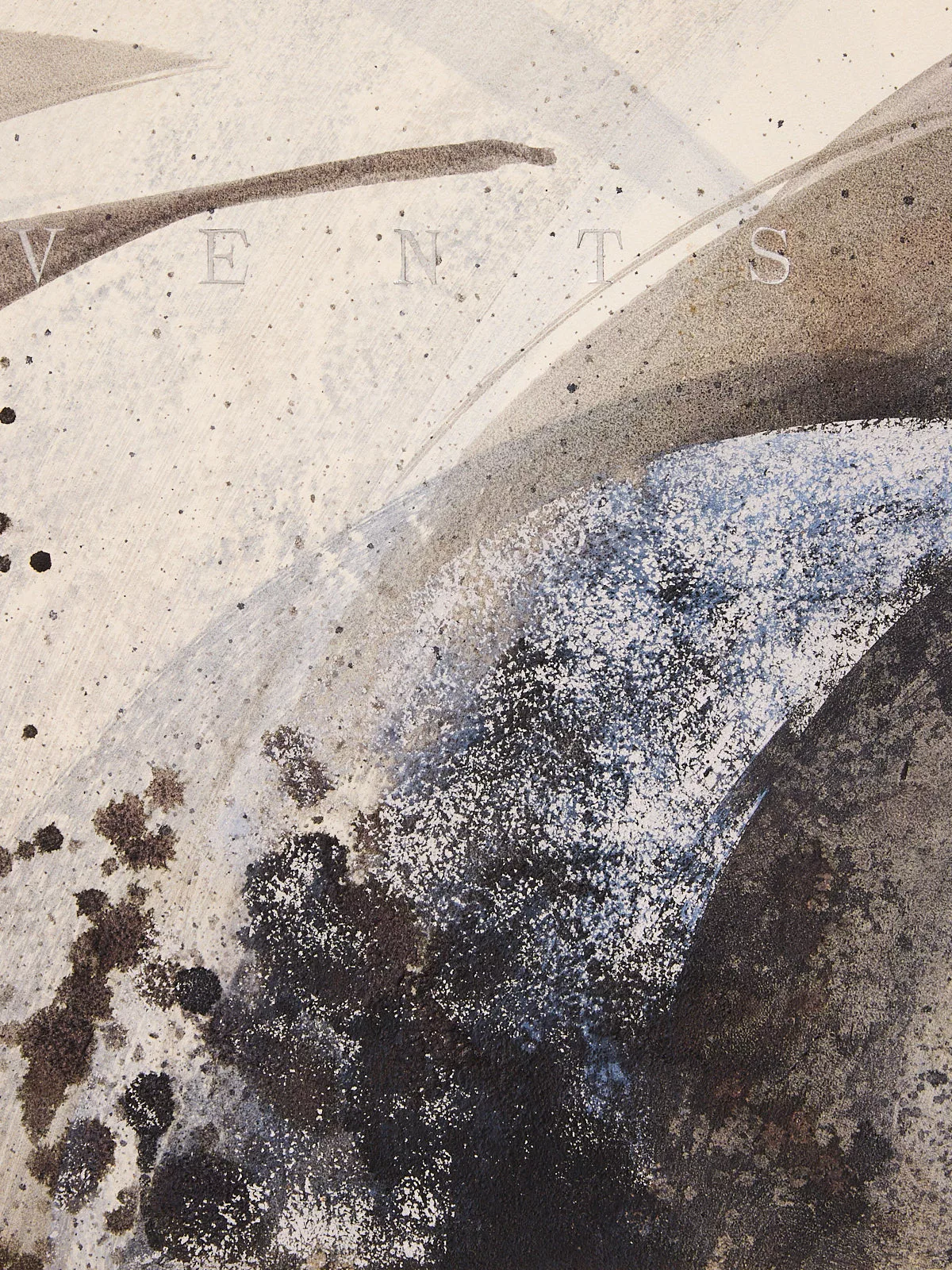
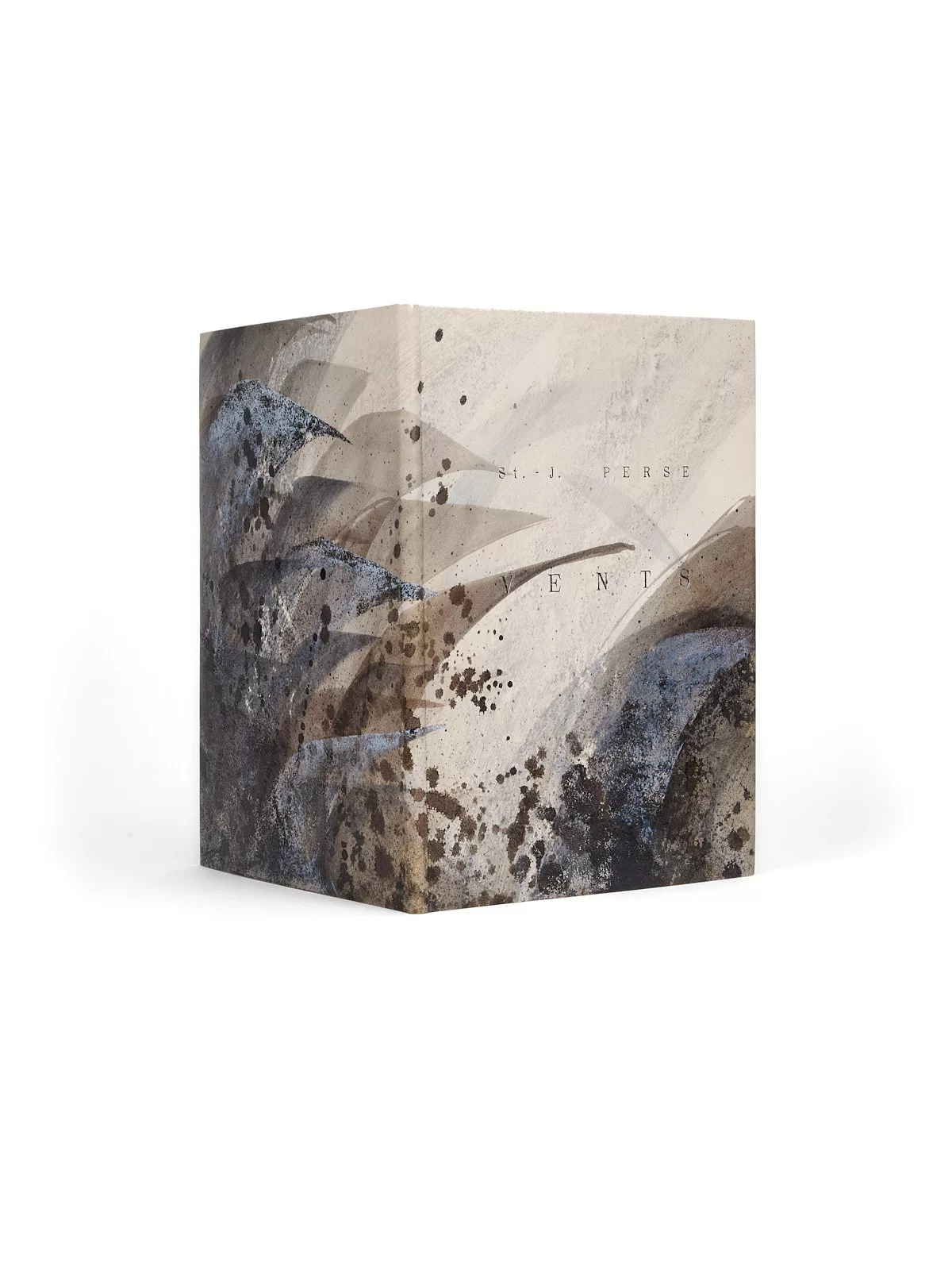
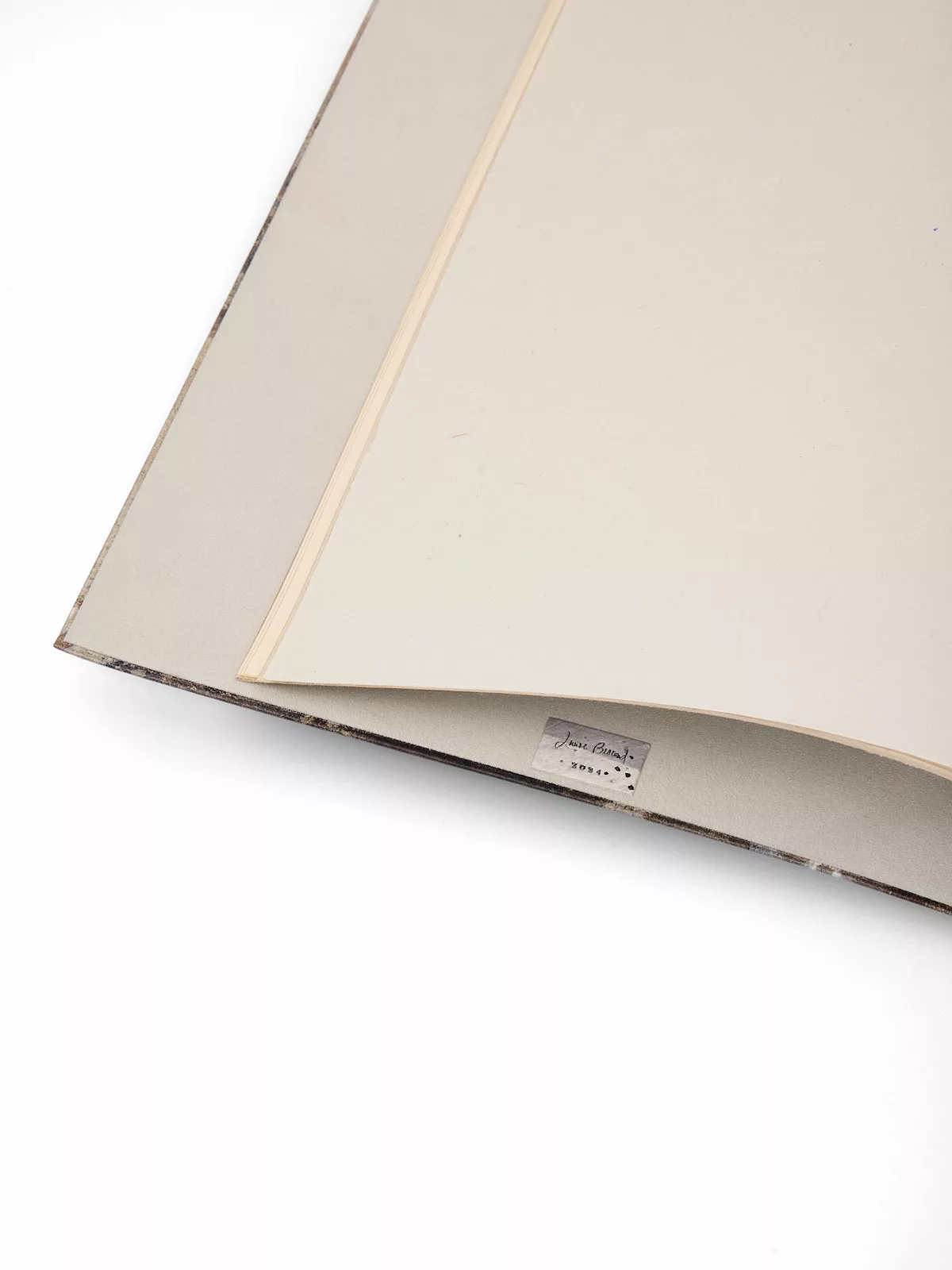
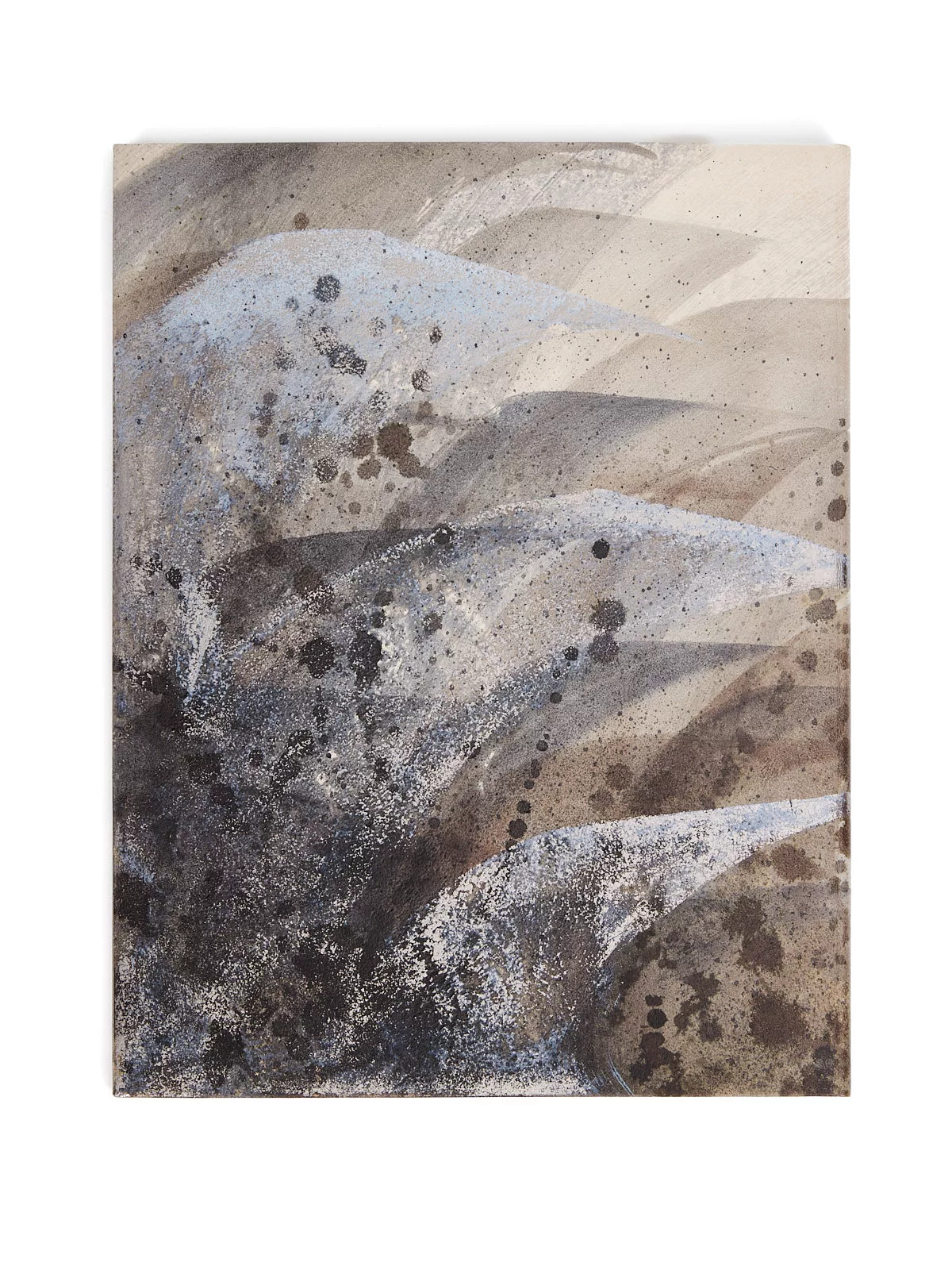
A spectacular, large binding by Louise Bescond.
Archambault, Paul J., L’exil américain de Saint-John-Perse. In: Cahiers de l’Association internationale des études françaises, 1991, no. 43, pp. 113–133.