

Un singe en hiver
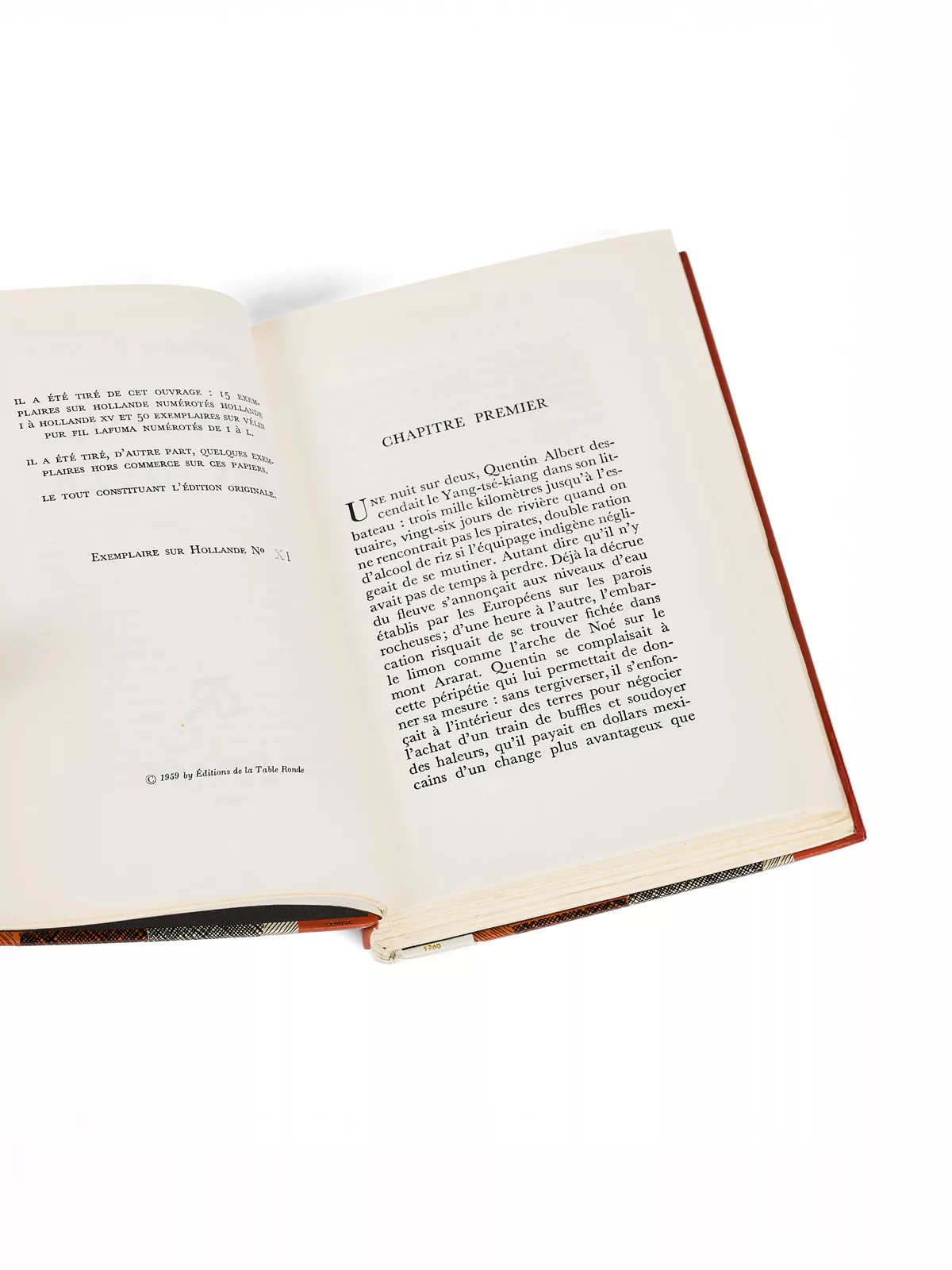
One of 15 deluxe copies on Hollande paper (no. XI).
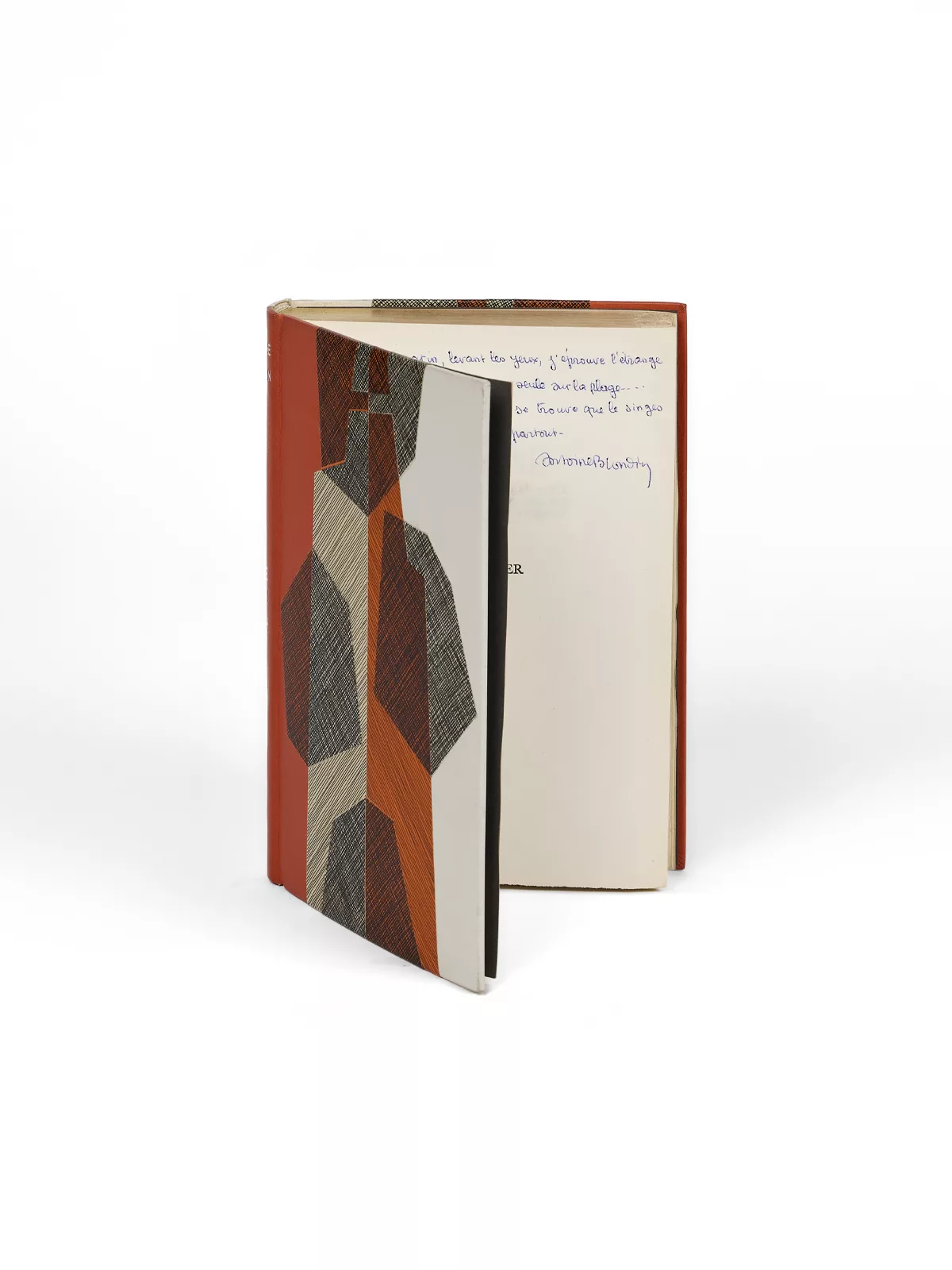
Autograph thought on the half-title: “Un matin, levant les yeux, j'éprouve l'étrange impression que Marie est seule sur la plage… et ainsi de suite… Il se trouve que le (sic) singes se débinent un peu partout. Antoine Blondin.”
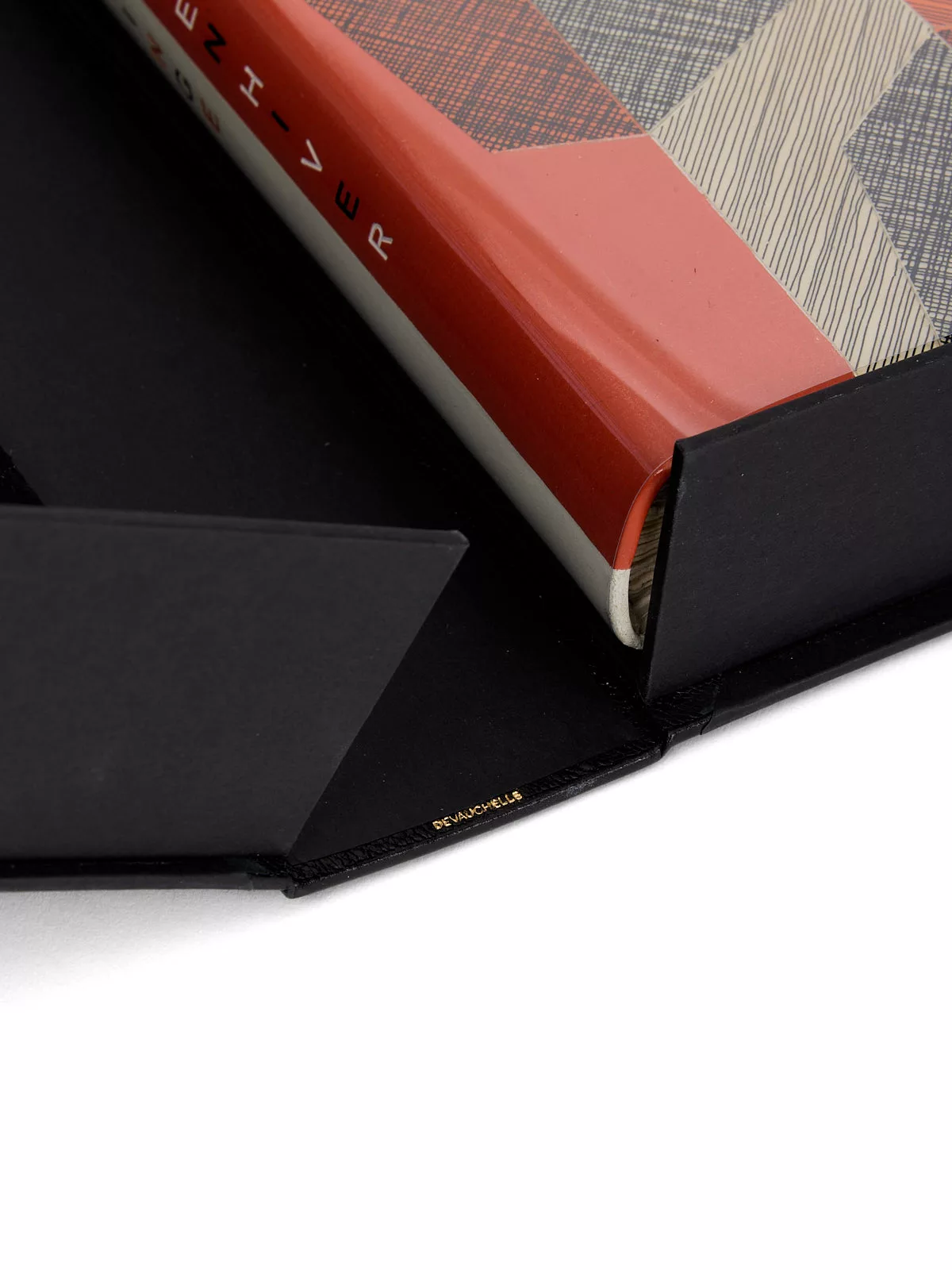
An exceptional copy, bound by Georges Leroux only months after publication. We know of no other copy in a signed binding this early, let alone one with a decorative design.
Of the fifteen deluxe copies, only six are known to us today: two in wrappers (one with an inscription), and four bound copies, all dating from after 1970 (by Micheline de Bellefroid, Miguet, Martin and Alix); one bears an inscription, another an autograph thought, as does the present copy.
Un singe en hiver takes as its starting point the drink-fuelled encounter between the hotelier Albert Quentin, a former marine fusilier in the Far East, and the young advertising man Gabriel Fouquet, who arrives in Tigreville to visit his daughter Marie, a boarder in the village, and to forget the failure of his love affair with Claire, who has gone to live in Madrid. To return to China, or to dream of fighting bulls in a Madrid arena, one needs a certain vehicle: “Oh, the vehicle, I know it well: I’ve already taken it. And it wasn’t a commuter train, believe me. Monsieur Fouquet, I too have been known to drink. And it sent me rather further than Spain. The Yangzi Jiang — have you heard of the Yangzi Jiang? It takes up quite a bit of room in a bedroom, I can tell you!” Audiard’s dialogue for the film would do full justice to Blondin’s novel; its swaggering abundance is a knowing oral extension of Blondin’s wonderful language, in which refined turns of phrase sit alongside sharp wit and a certain popular verve, all in the service of the narrative. It renders, both delicately and impressionistically, the wanderings of the characters’ consciousness.
In this bitter ode to travel — the journeys taken in a vanished youth, and those that will never be taken again — alcohol plays a central role. While Quentin gave up drink ten years earlier, now sucking aniseed sweets in the middle of the night by way of compensation, Fouquet, Blondin’s “thirst-quenching ego,” tries to drown his pain and loneliness in drink.
As in most of Blondin’s books, which above all evoke, as Léo Ferré put it, “simply men’s problems; problems of melancholy,” the two rogues eventually grow close, culminating in the memorable bender that, after a mythic “bullfight” with cars, drives them to set off fireworks on the beach. Light and warmth of a fleeting moment. This fire, though a fireworks display, is in no way artificial: it allows hearts to open and draw closer, amid drunken excess and sincere confessions that Blondin renders beautiful and melancholic with a style all his own.
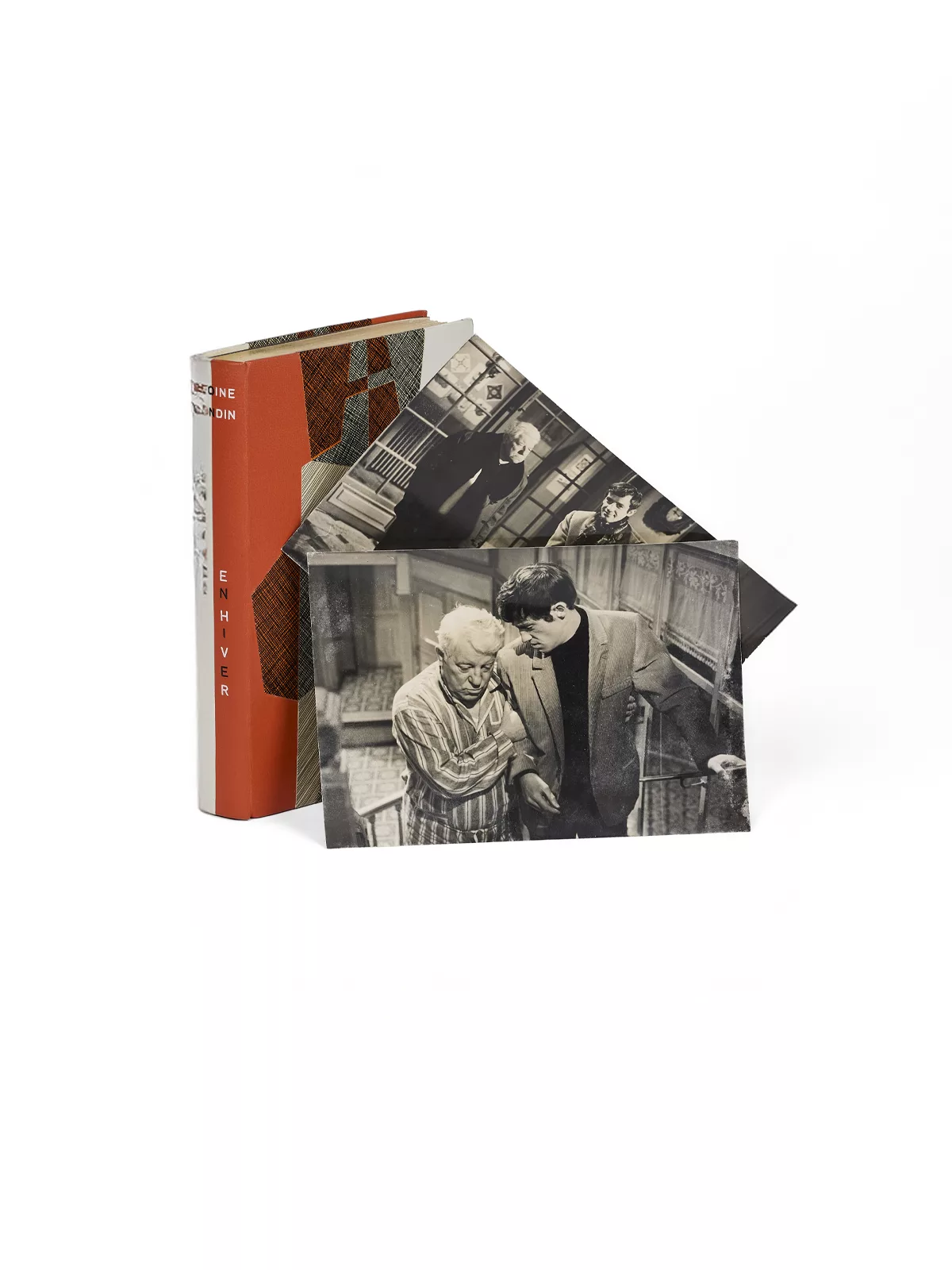
Two production stills from the film, showing Jean Gabin and Jean-Paul Belmondo, are included with the copy.