

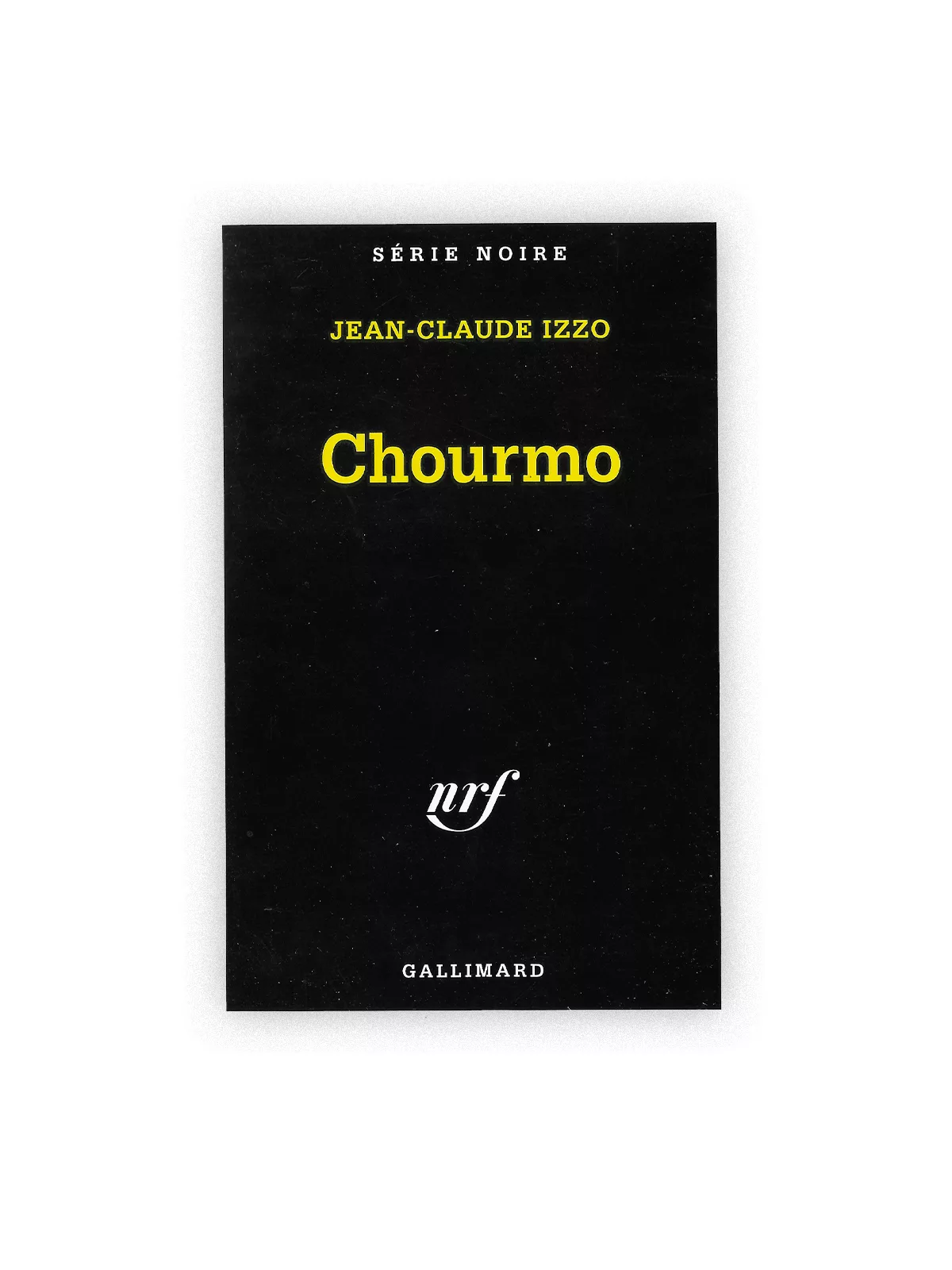
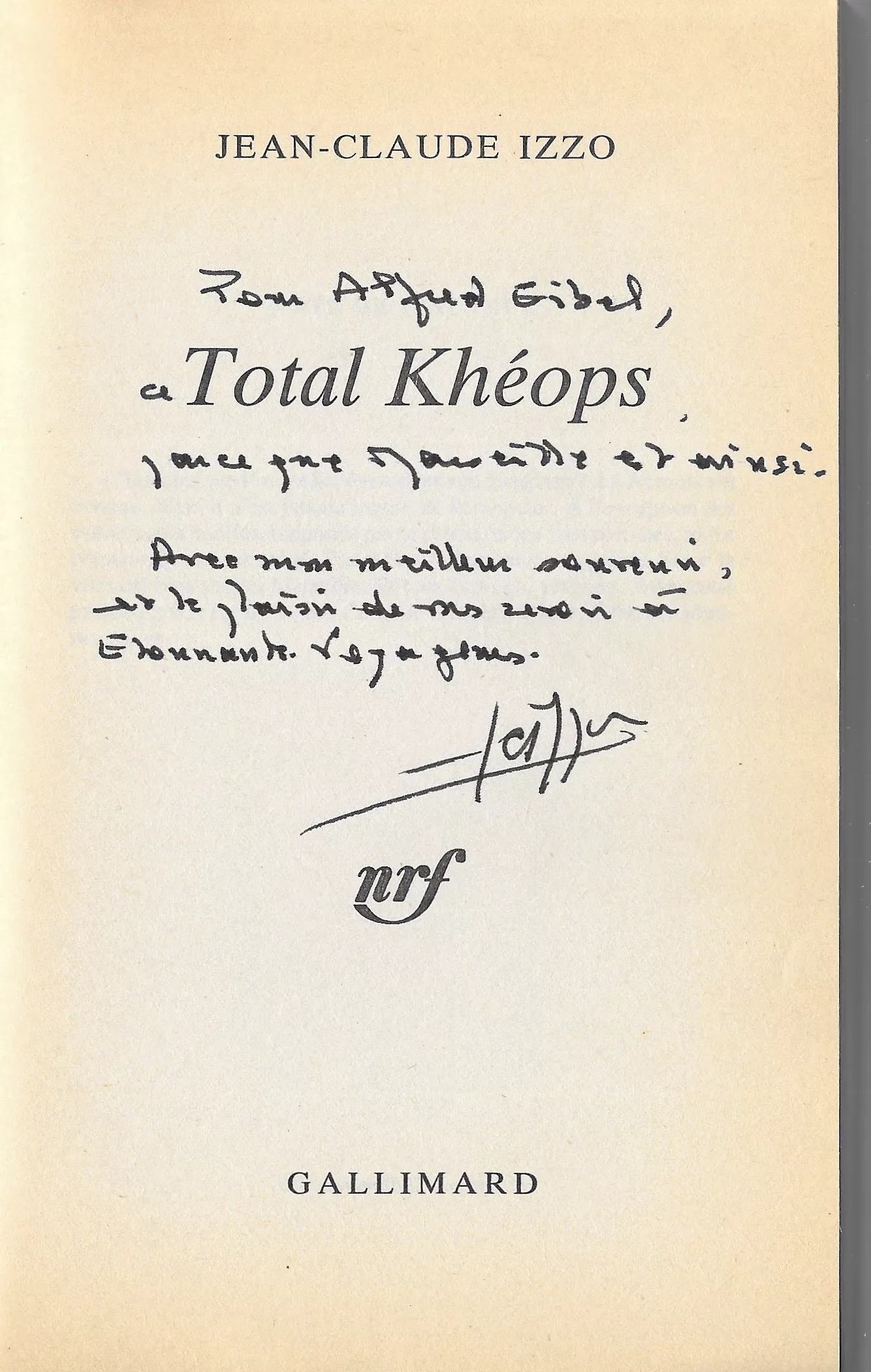
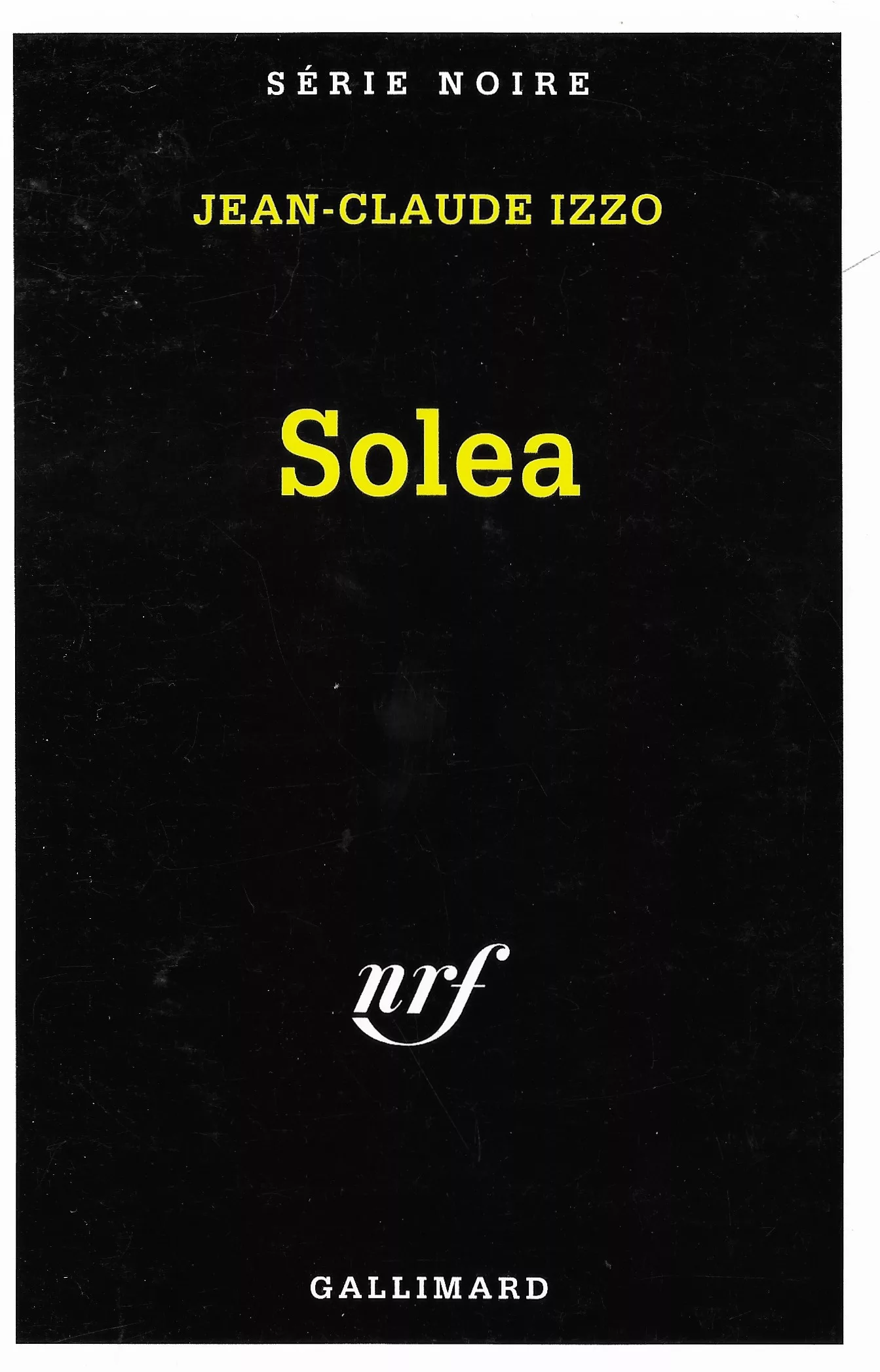
Total Keops – Chourmo – Solea
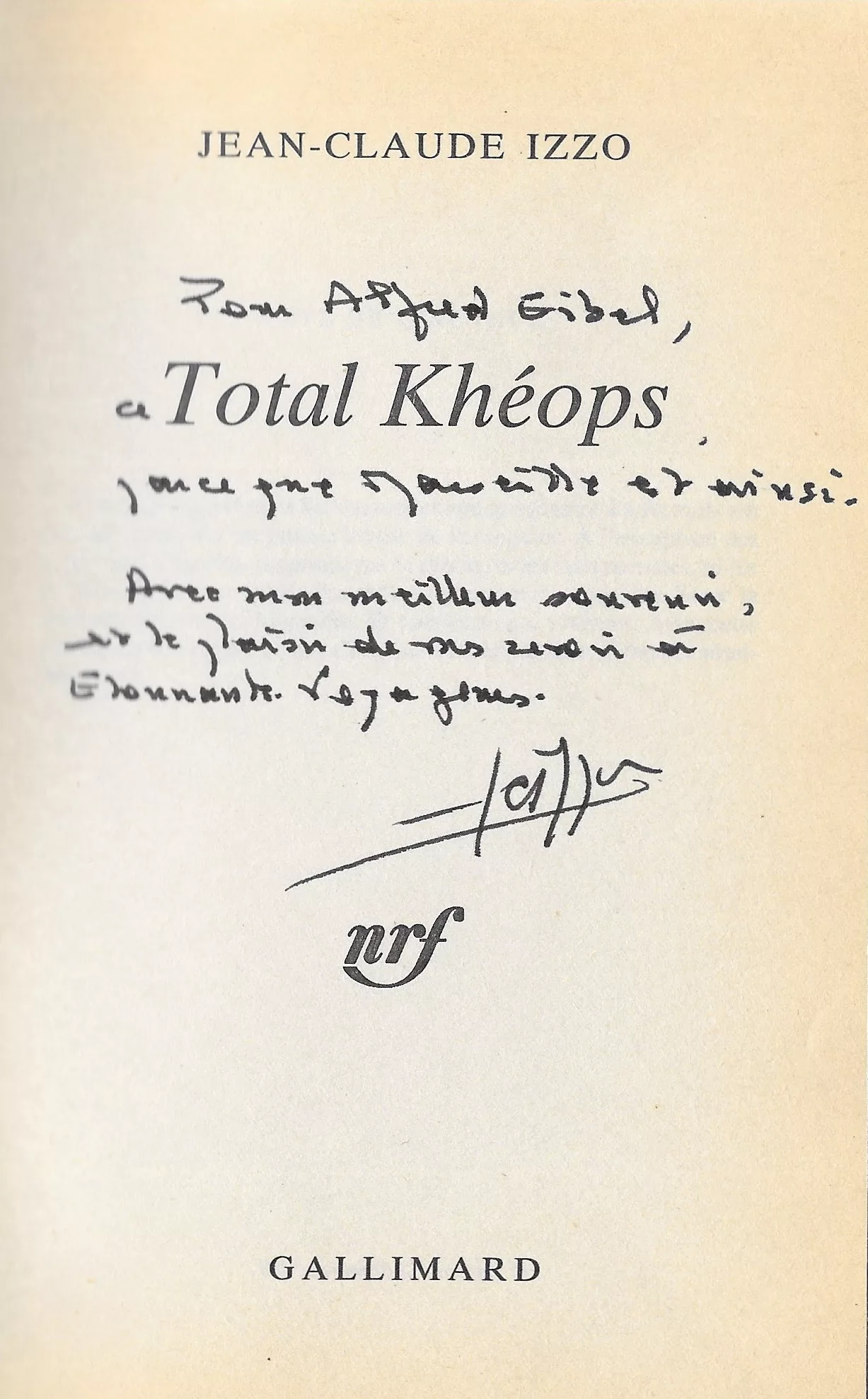
Signed presentation inscriptions:
“Pour Alfred [Eibel], ce [Total Keops] parce que Marseille est ainsi. Avec mon meilleur souvenir et le plaisir de vous revoir à Étonnants voyageurs.”
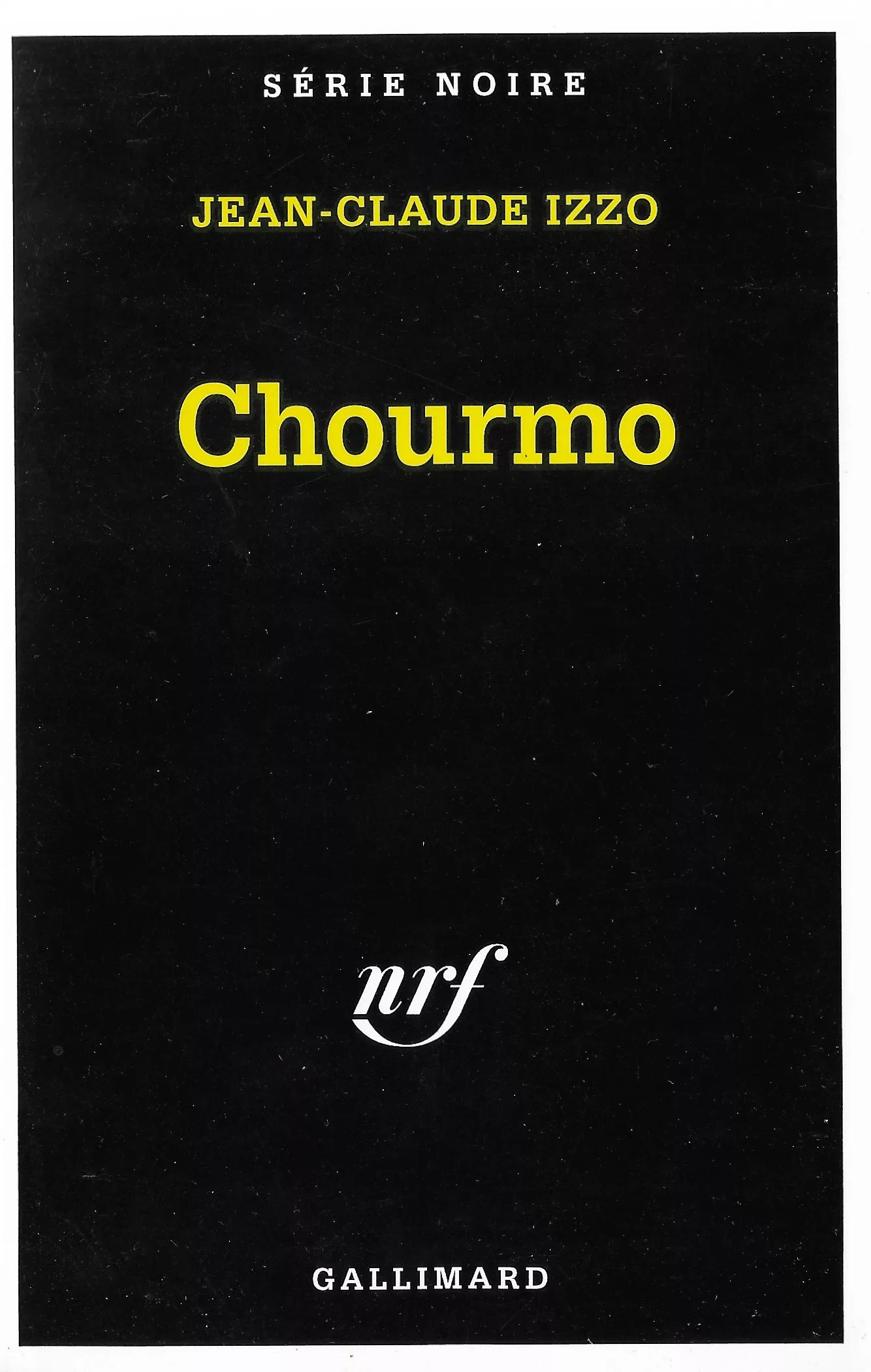
“Pour vous Alfred, ce [Chourmo], petite suite marseillaise qui se cherche un bonheur, à vous Jean-Claude Izzo.”
“Pour toi, Alfred, cette [Solea] marseillaise qui vibre du mal qui nous [illegible]. À toi, la poésie de ces lignes, et l’amitié… Jean-Claude Izzo.”
Izzo’s Italian heritage remains remarkably alive across the Alps, where the author “has taken on mythical status. He is claimed as a leader by a generation of young giallo (crime novel) writers. And fans travel to Marseille following an Izzo itinerary: they visit the settings of the novels, retrace the characters’ paths…” according to his friend, the musician Gianmaria Testa. The character he created, the detective Fabio Montale, takes his name from the Italian poet Eugenio Montale; this demoted policeman, son of immigrants, who loves poetry, jazz, fishing and women, is at the center of Izzo’s Marseille trilogy, published between 1995 and 1998. Its origin lies in a simple short story written in 1993 for the review Gulliver. From this piece, urged on by Michel Le Bris and Patrick Raynal, Izzo developed the magnificent crime novel Total Khéops, published by Gallimard in 1995. The novel won over a wide audience and received the Trophée 813 — the Goncourt of crime fiction — following Maurice G. Dantec’s La Sirène rouge.
After publishing Chourmo and Solea, Izzo refused to continue Fabio Montale’s adventures, despite strong pressure from Gallimard: “I wrote the first one without knowing I would write a second. But I knew I wouldn’t write fifty. When I began Solea, I planned to be done with Fabio Montale […] There’s a bit of me in him, obviously. Personal things, values: the pleasure of eating, or drinking good wine, for instance. But I hate fishing… […] People often tell me it’s dark and pessimistic, but the finest compliment I regularly receive is that when you close Solea, you have a hell of a desire to live! I’m touched, because that’s exactly the feeling I get reading Jim Harrison.”
Alfred Eibel, a respected literary critic passionate about crime fiction and cinema, contributed regularly to Le Quotidien de Paris, Les Nouvelles littéraires, Les Lettres Françaises, Le Figaro and Le Magazine littéraire. He notably published the Almanach du polar in 1997.