

Théogonie
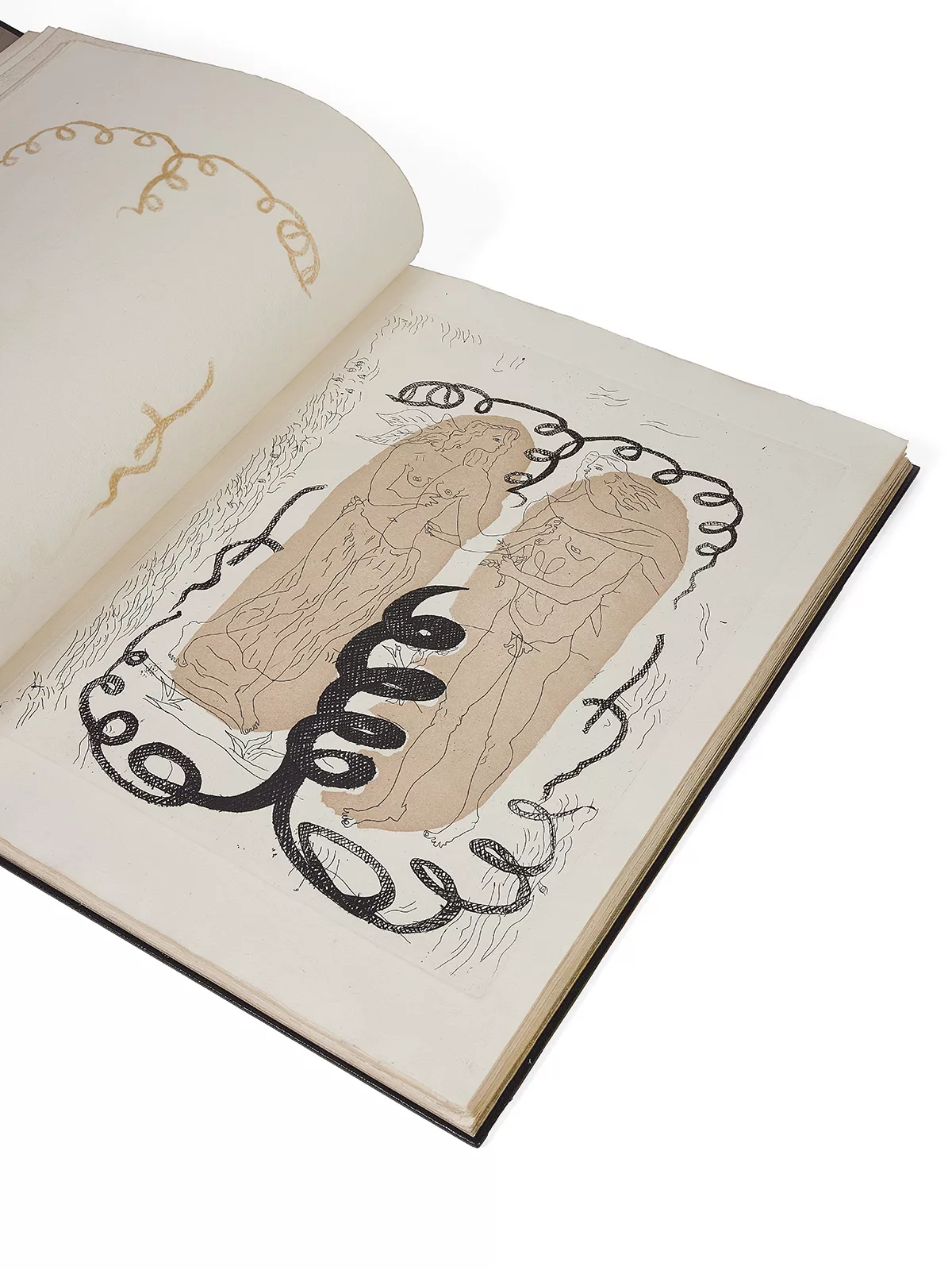
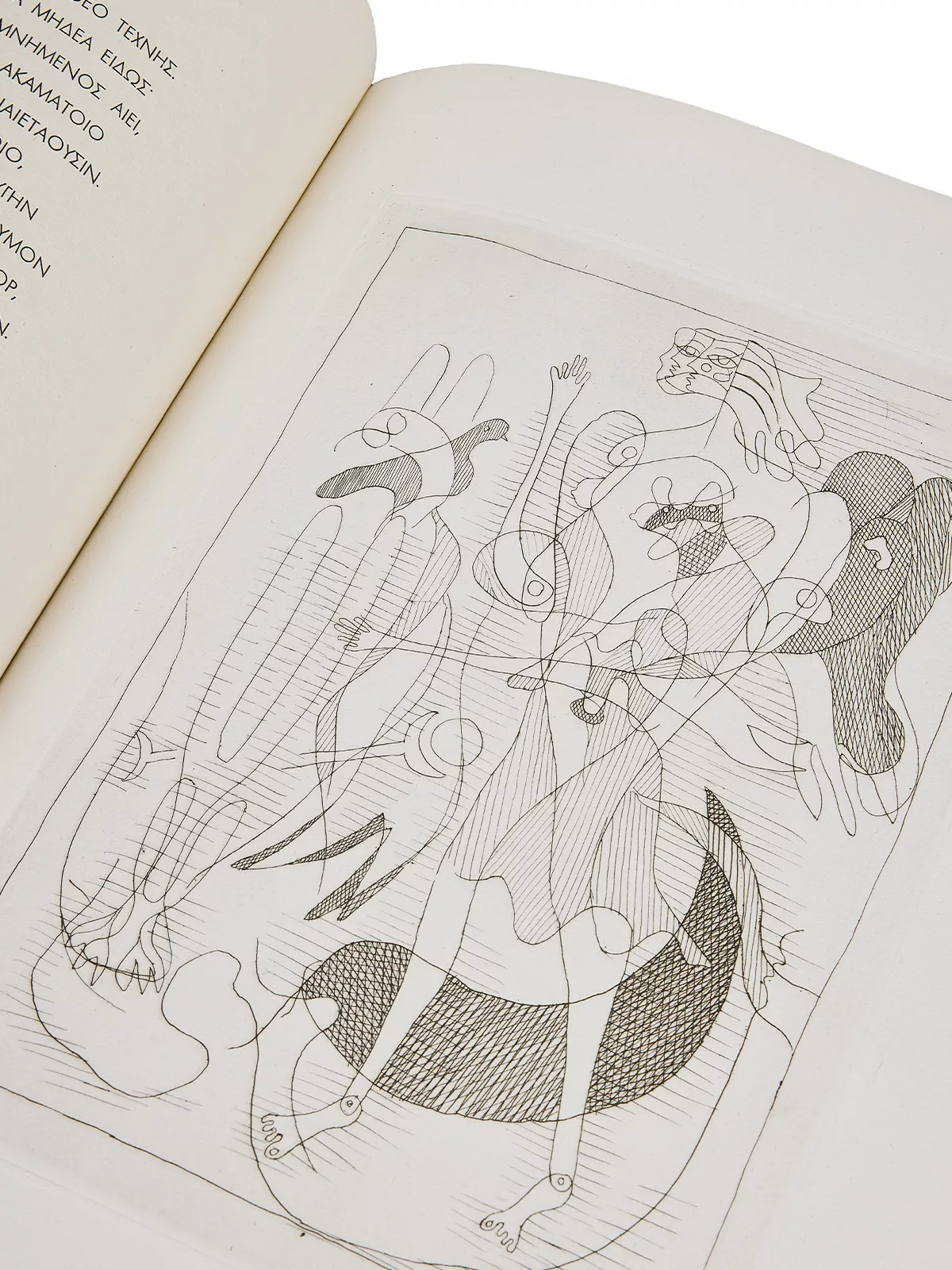
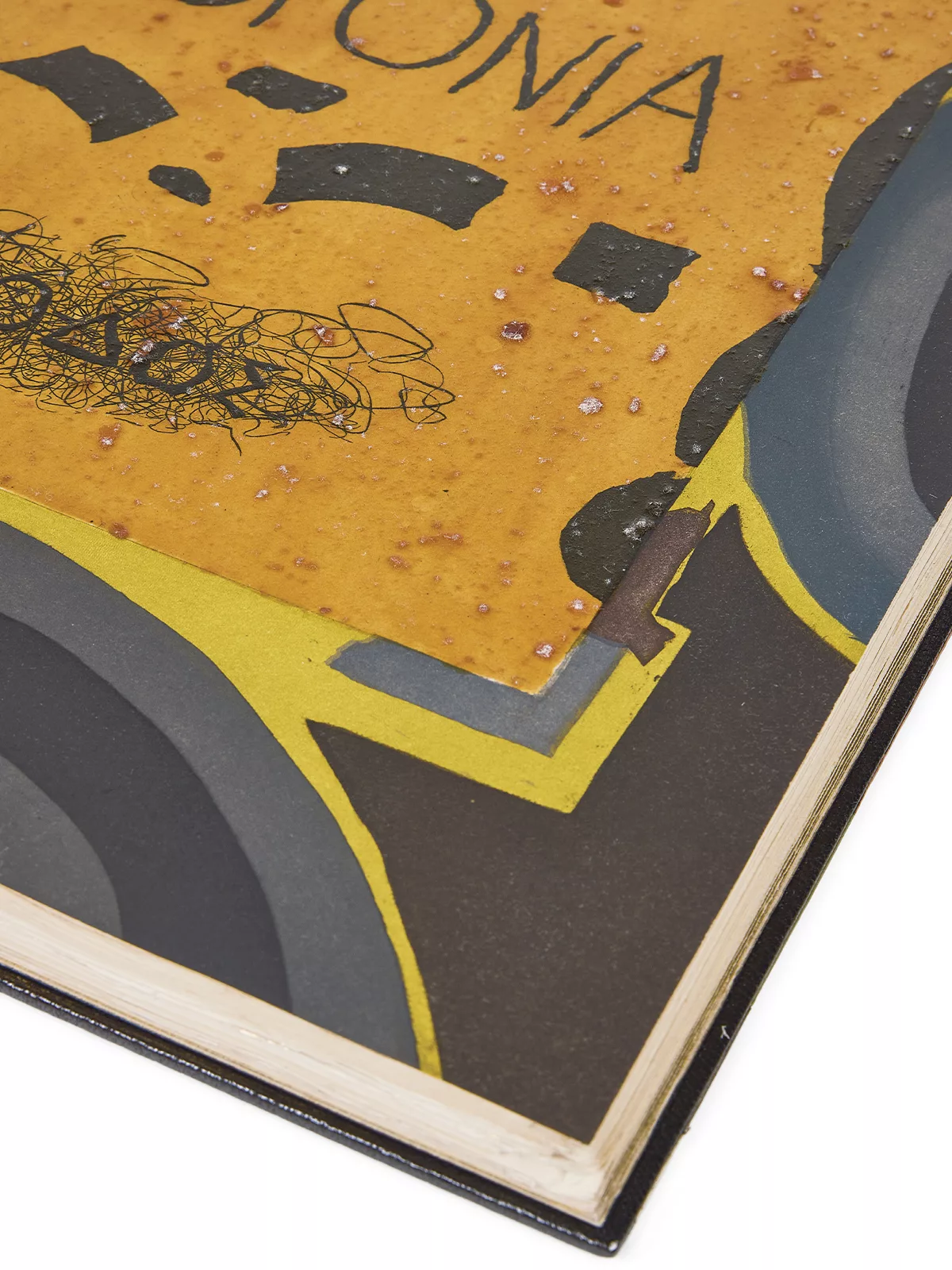
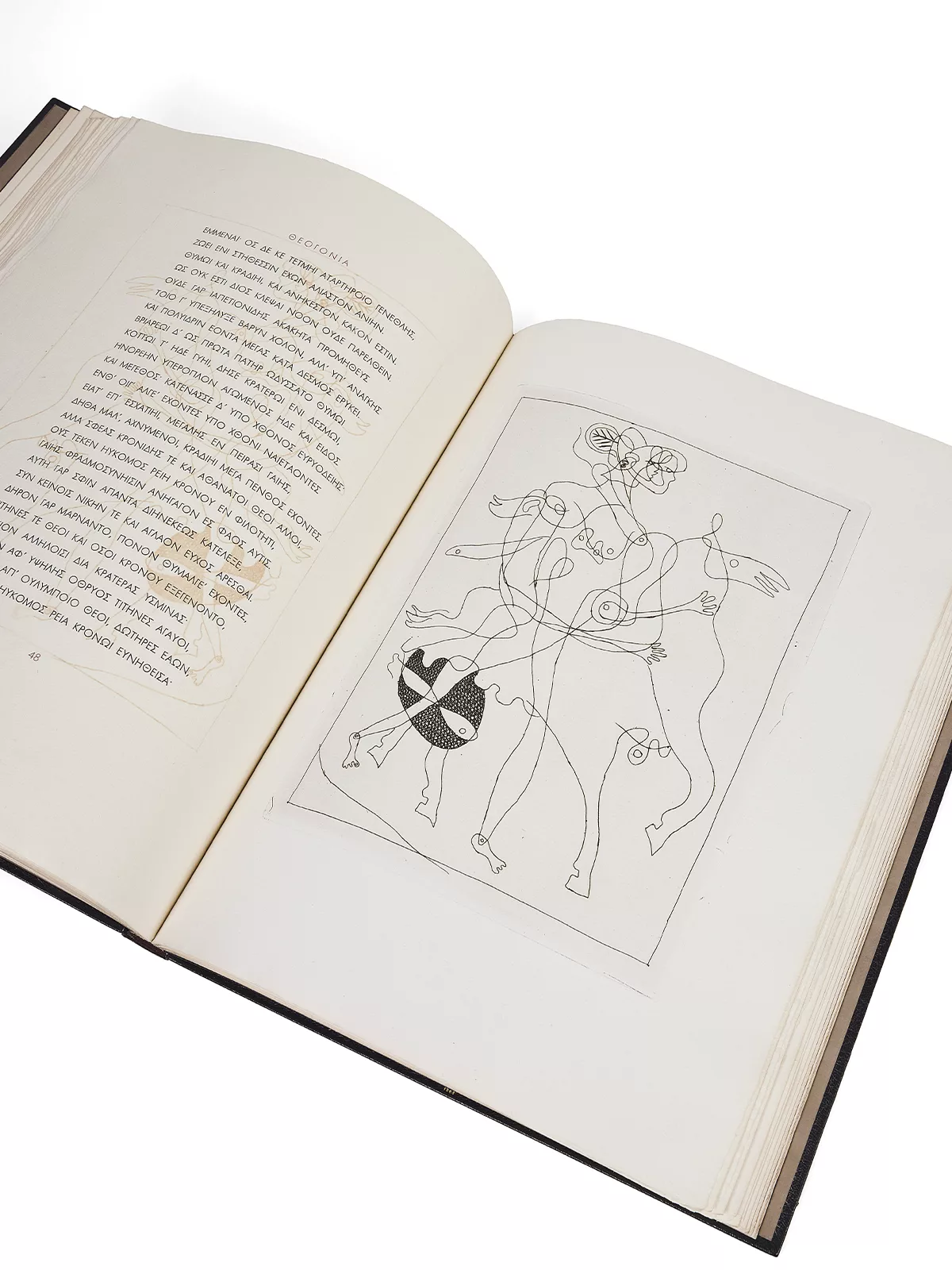
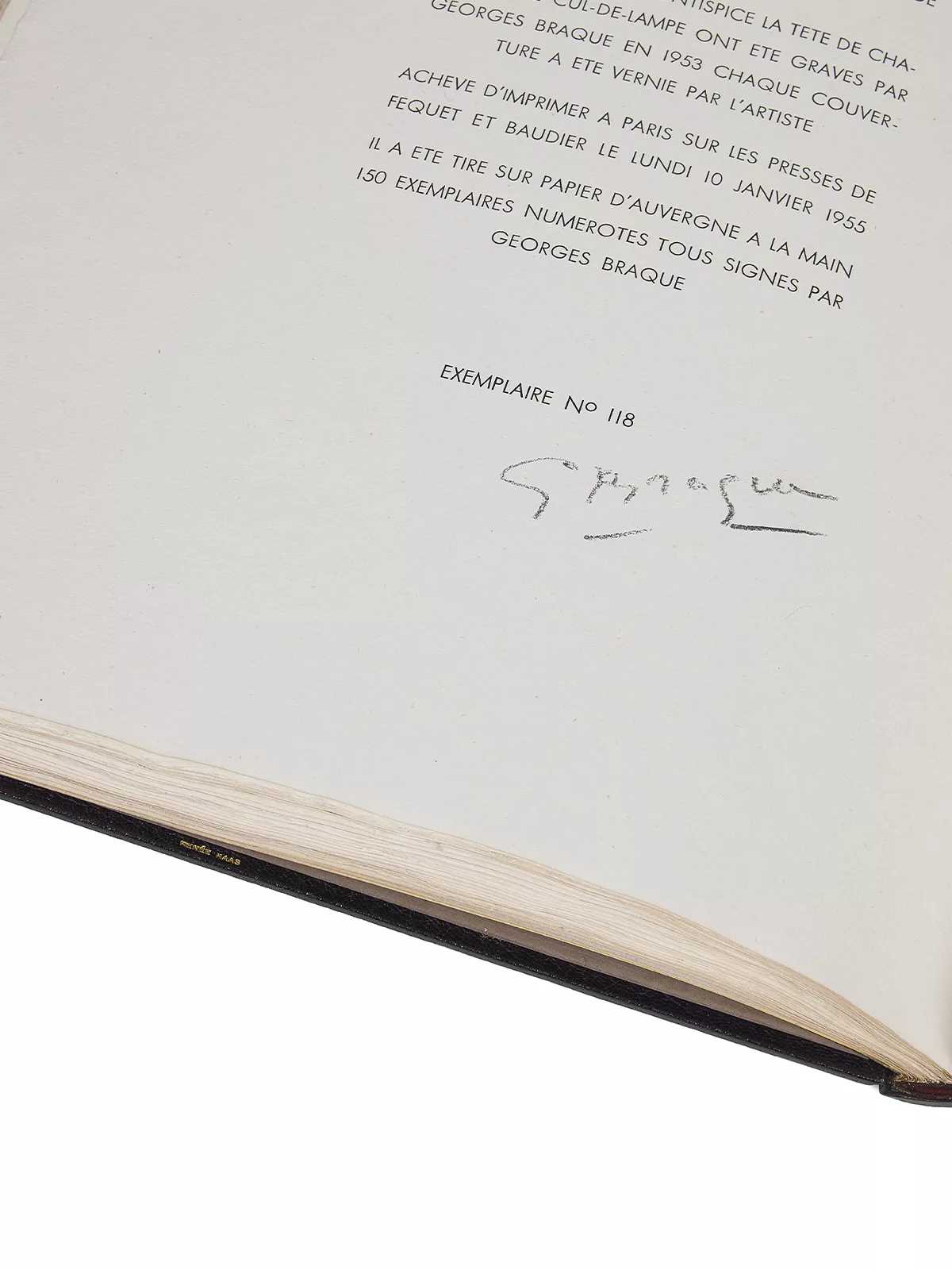
Ambroise Vollard and Georges Braque began work on this monumental book — in every sense of the term — in 1931, with 16 etchings produced in Vollard’s workshop; Vollard’s death the following year halted both printing and project. Twenty years later, Aimé Maeght took over the edition with Braque, who produced what has since been regarded as his finest illustrated book. Two years of work were needed to complete the printing of the 150 copies on Auvergne paper. Apart from the title page and the justification, the entire text is set in Greek. Each cover was varnished by Braque himself, in a striking and distinctive ochre color.
François Chapon described the artist’s work thus: “The rigor of the metal only accentuates the moving grace of the line. From the material bitten by the acid, Braque draws the crossed or parallel hatchings that define this universal realm.” Roger Vieillard, in his study of the painter’s books, wrote: “A startling invention of forms is revealed in the engraving. The etched line, supple yet rigorous, definitive without losing the living virtues of improvisation, constructs a space as coherent as a bas-relief, while the coloring of surfaces is no less present than in his paintings.”
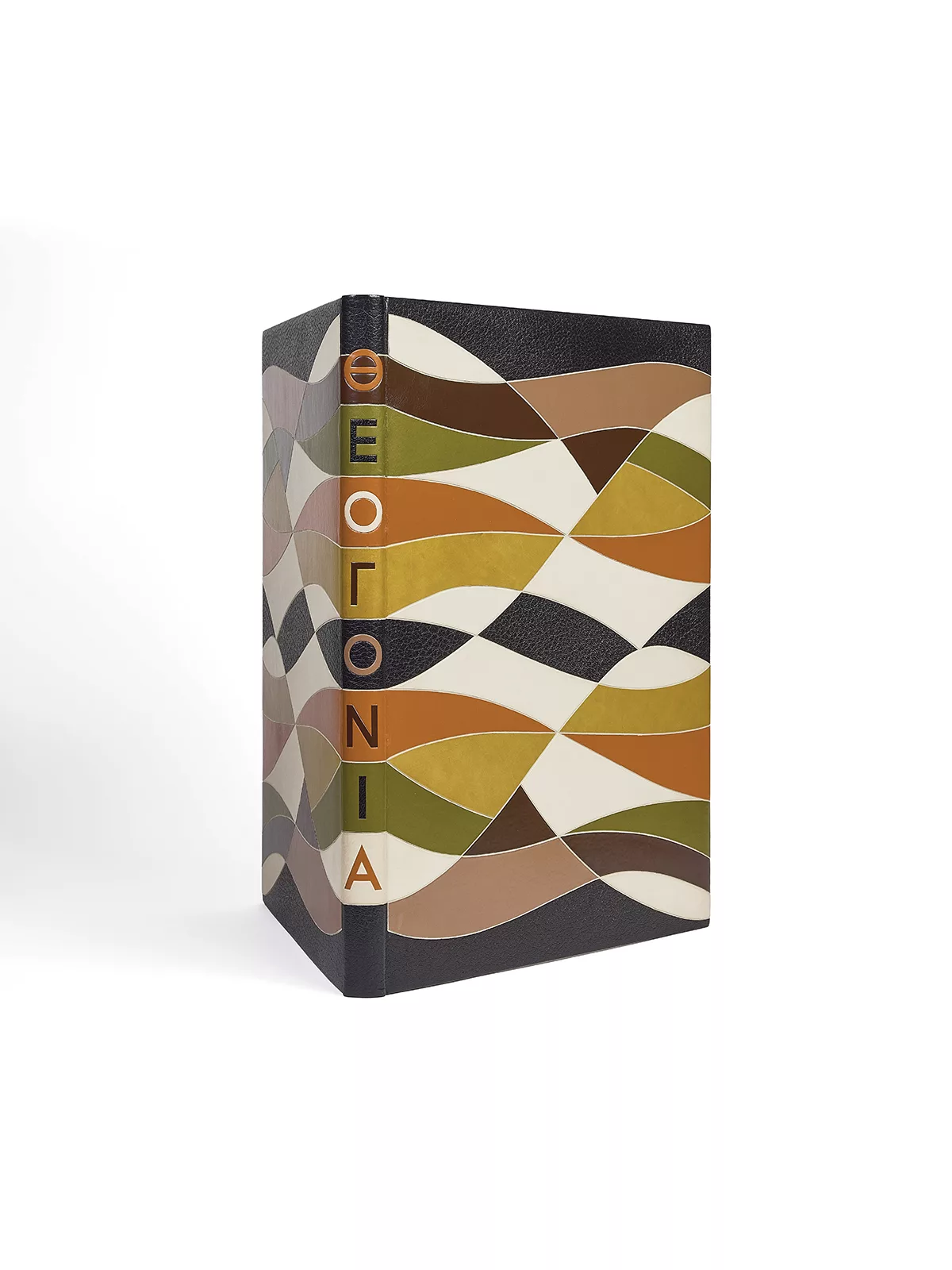
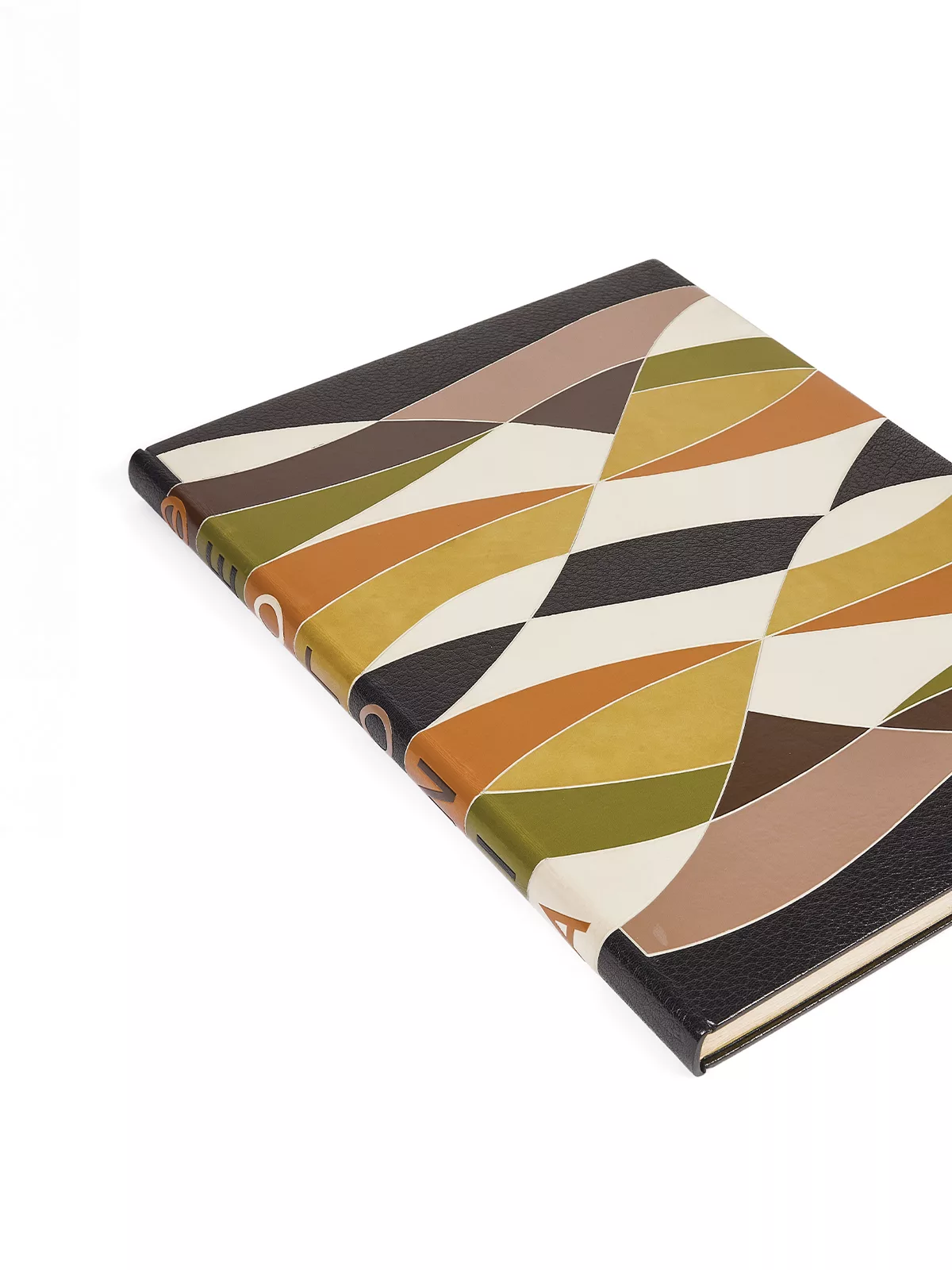
A grand binding by Renée Haas, who reserved her talents for a few fortunate collectors, which explains the rarity of her bindings on the market. It was the dealer Alexandre Loewy who entrusted her with her first commissions in the early 1960s: illustrated books among the most important of the period, namely those of Picasso, Braque, Miró and Matisse (including at least four copies of Jazz).