

Les Soirées de Médan
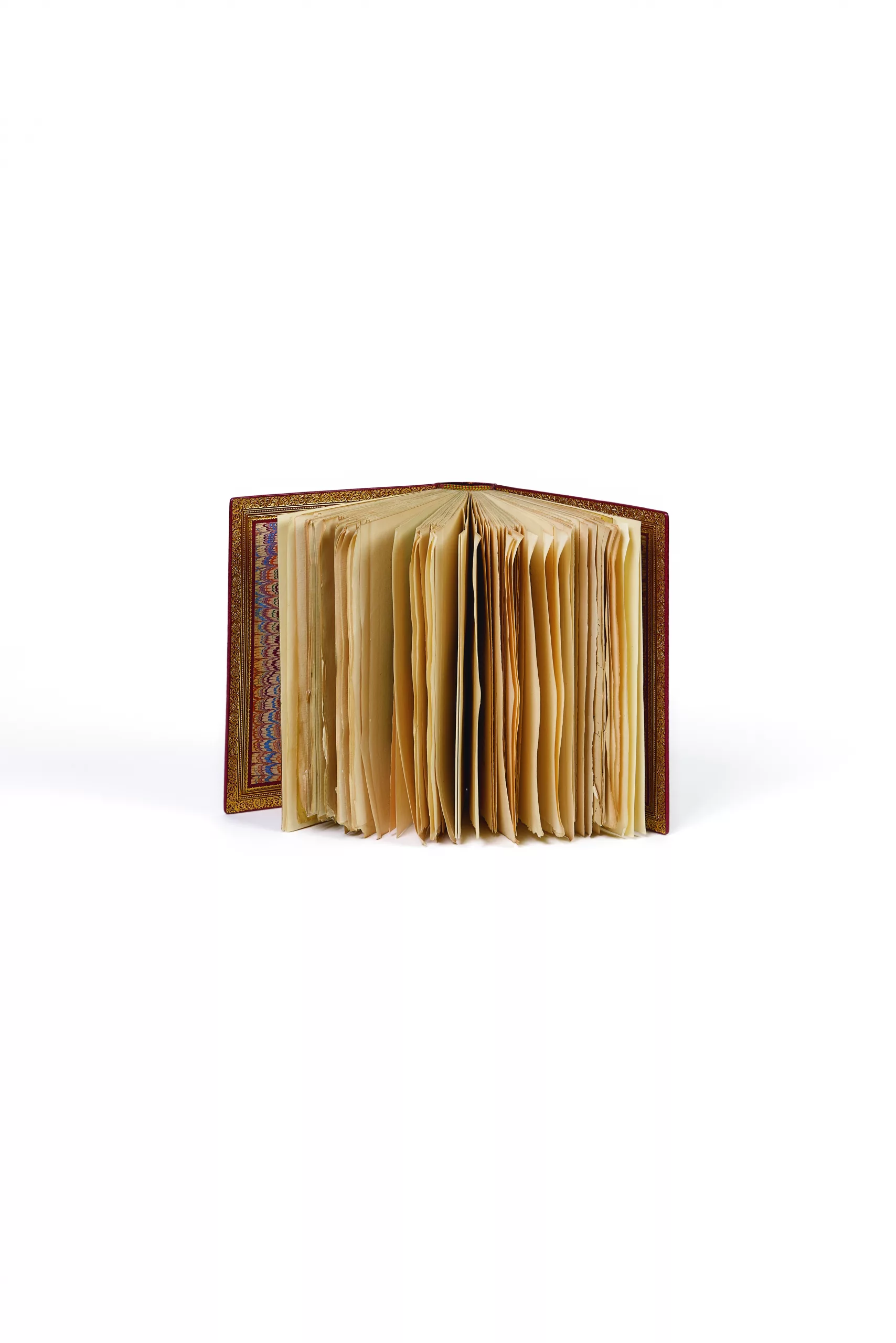
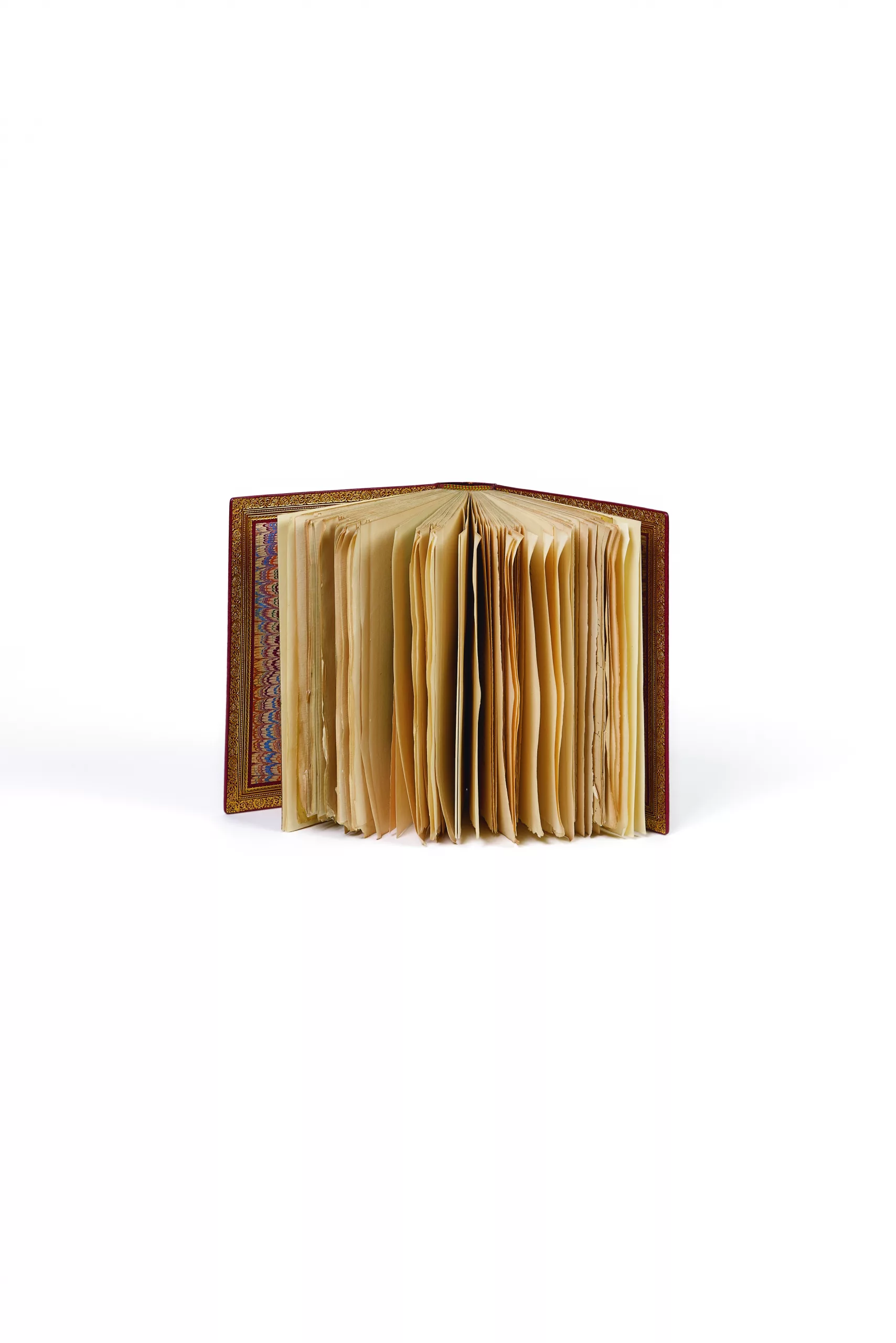
Bound into this copy are 32 pieces, including 14 autograph letters and cards signed by the six authors, each placed before their respective text:
– 6 portraits of Zola by Desmoulins, Rops, Burney and Steinlen, printed on various papers;
– 3 autograph letters by Zola: one to Huysmans dated “Médan, 24 August 1880”; another to a lady, “Paris, 5 February 1879”; the last to Louis Desprez, “Paris, 11 May 1885”;
– 5 portraits of Maupassant by Lerat, printed on various papers;
– 1 autograph letter by Maupassant [to Rodolphe Salis];
– 4 portraits of J.-K. Huysmans;
– 2 autograph cards and 1 autograph letter by J.-K. Huysmans, dated 9 September 1896, 12 September 1904 and 1 August 1885, to “un cher confrère”;
– 1 portrait of Henry Céard;
– 2 autograph letters signed by Henry Céard, both dated 8 February 1913;
– 1 portrait of Léon Hennique;
– 1 autograph card signed by Léon Hennique to Lucien Descaves; 1 letter to a “cher monsieur” dated 10 March 1913;
– 1 portrait of Paul Alexis;
– 3 letters by Paul Alexis: one dated 13 December 1888 addressed to Métaigner, another dated 14 November 1890 addressed to a collaborator, and a last one dated 6 May 1897 to “mon vieux directeur.”
The collection Les Soirées de Médan (named after the small town in Seine-et-Oise where Zola owned a property) opens with the short story “L’Attaque du moulin,” bringing together, under the banner of Naturalism, “a shared philosophy” intended to launch Zola’s younger disciples and followers: Guy de Maupassant (“Boule de suif”), J.-K. Huysmans (“Sac au dos”), Henry Céard (“La Saignée”), Léon Hennique (“L’Affaire du grand 7”) and Paul Alexis (“Après la bataille”). The ambition, as Zola explains in the foreword, was “to publicly affirm our true friendships and, at the same time, our literary tendencies.”
“Sac au dos,” Huysmans’ contribution, had first appeared in an earlier version in 1877 in the Brussels journal L’Artiste, before being reworked for this collection. Maupassant’s story also deserves mention: “Boule de suif is a masterpiece,” said Gustave Flaubert. The story was drawn from real life: the author’s uncle, Charles Cord’Homme, reportedly told him of an incident during the war of 1870, in which ten people fleeing Rouen as it was invaded by the Prussians took a stagecoach together; among them, Élisabeth Rousset, a prostitute nicknamed “Boule de Suif” because of her plumpness, gives herself to a Prussian officer to save the other travelers, who nonetheless despise her. (John Ford famously adapted the story for his western Stagecoach, exchanging the banks of the Seine for Monument Valley and the Prussians for Geronimo’s Apaches.)
An exceptional copy, richly enriched with material, much of it unpublished.
From the library of Louis de Sadeleer (bookplate).