

[Les oiseaux vont mourir au Pérou]
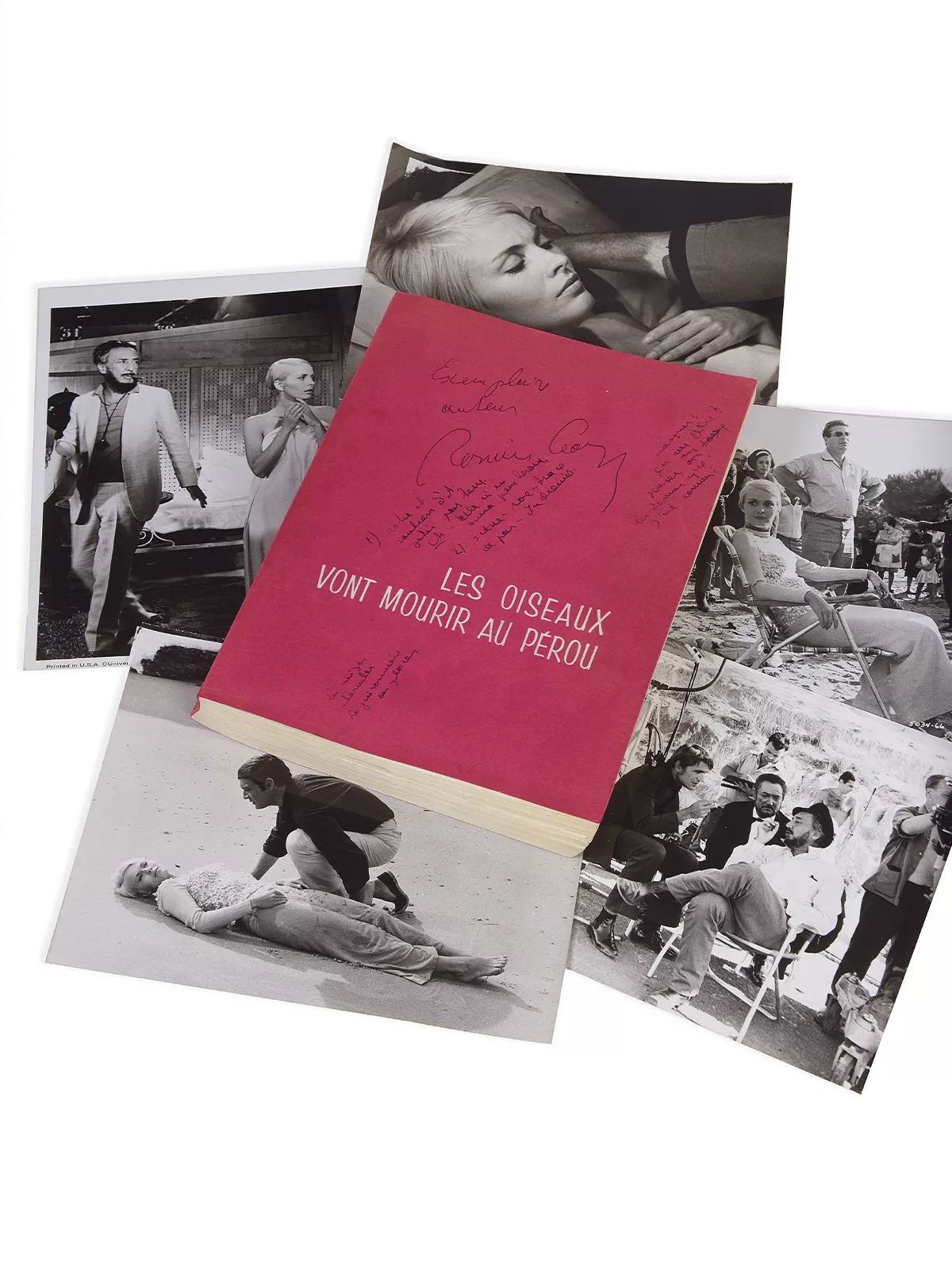
The typescript bears on the cover the autograph inscriptions “Exemplaire auteur Romain Gary” along with other annotations; it also contains close to a hundred corrections, with, on some twenty leaves, pasted-over corrected versions through which the autograph passages altering the text can be seen by transparency, as it would eventually be delivered by the actors in the film and according to the cutting Gary wanted.
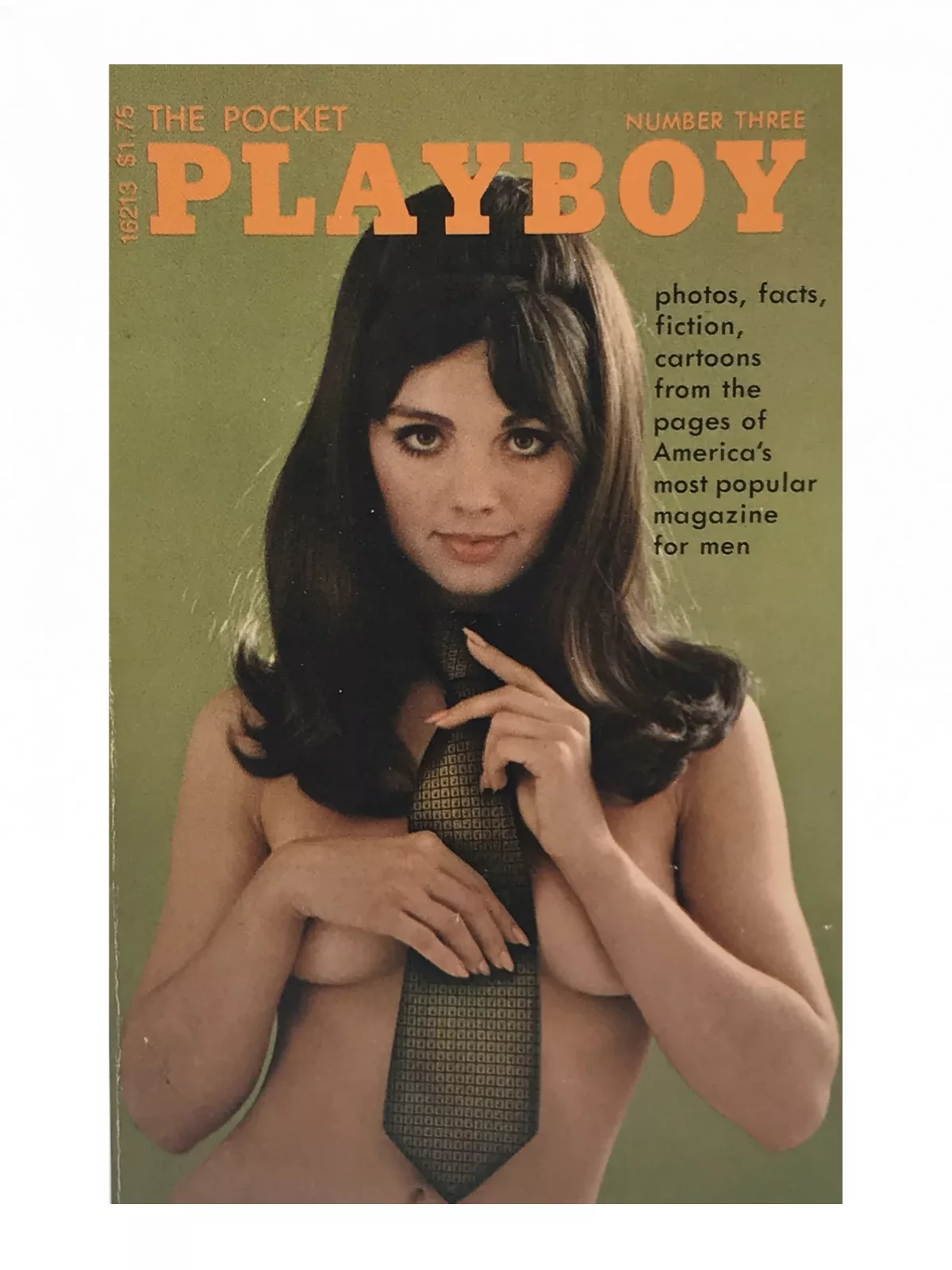
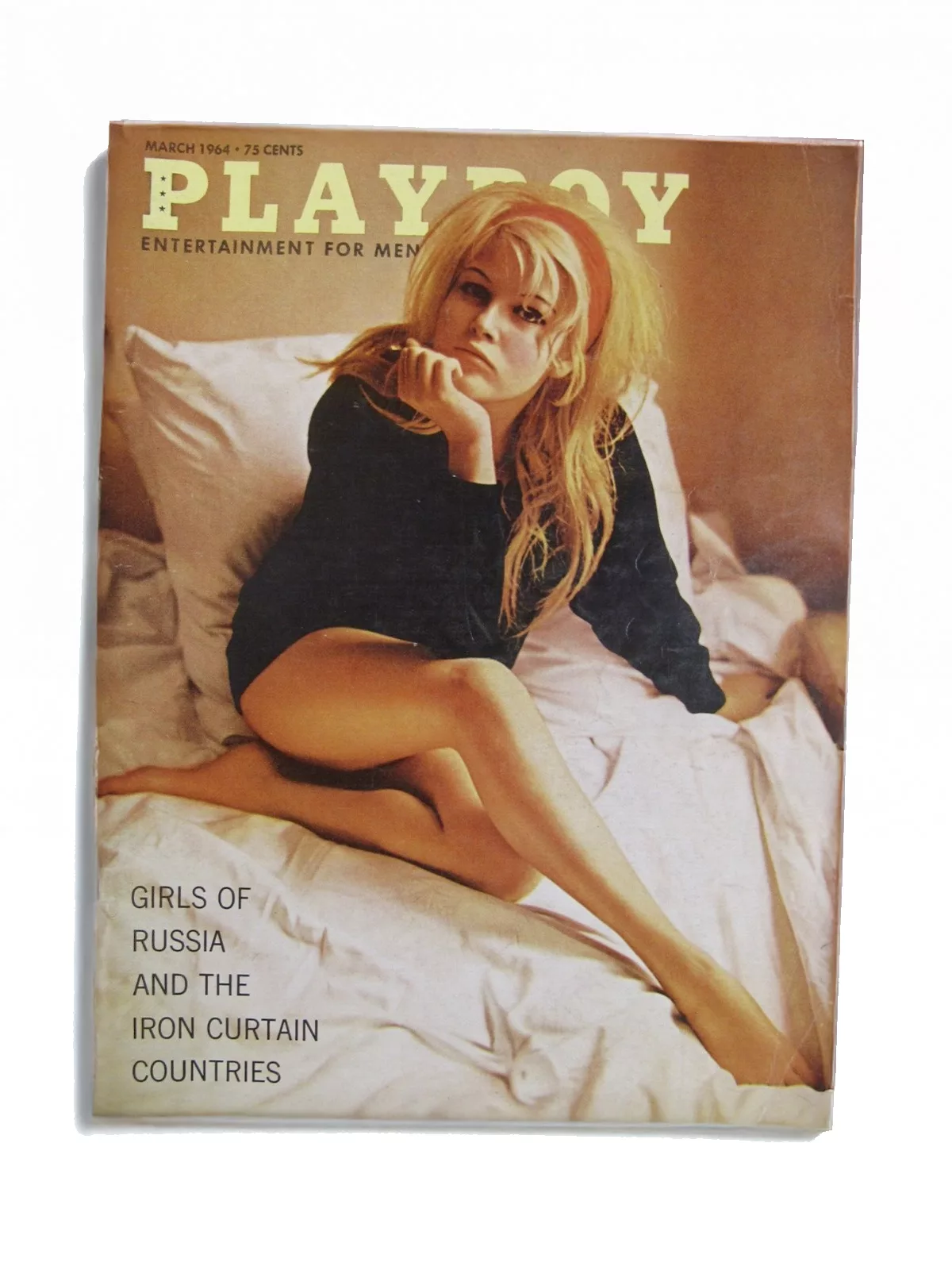
In the spring of 1967, Gary embarked on a new project: to become a director himself, “having always been disappointed on seeing his own [books] brought to the screen […]. To adapt one of his own works, become a director, direct Jean… three intertwined desires that he was about to put into practice” (Kerwin Spire, Monsieur Romain Gary, écrivain-réalisateur, p. 142). His novels being far too significant to be quickly adapted, Gary turned to a collection published in 1962: Gloire à nos illustres pionniers. The book comprises sixteen short stories, several of which had already appeared in magazines or newspapers, in France or in the United States. One of them, “Birds in Peru,” was published in March by Playboy Magazine, where it was named “best fiction of the year.”
It was this story that Gary chose as the basis for the screenplay of the film he planned: tailor-made for Jean Seberg, in the role of a nymphomaniac yet frigid young woman. The deal was quickly concluded with Universal Pictures. Gary would direct, assisted by Michel Wyn. “I could have simply turned my story into a screenplay and handed the direction over to someone else. But that would mean trusting a stranger, a different vision […]. I have spent a lot of time on film sets and have already written several screenplays, but I need someone for the technical side of filmmaking,” he explained to Michel Wyn. As for the unusual title, Gary explained: “I once observed, not far from Lima, a beach where birds, driven from the nearby islands by the cold, come to die on the warm sand. This anecdote inspired a plot: a young woman has an appointment on this beach where she comes seeking death […]. Every morning during the two months of the summer of 1967, the assistant director would come to the rue du Bac to work on the screenplay and draw out the ideas that Romain Gary had in mind” (Spire).
“Les oiseaux vont mourir au Pérou was not a flop (contrary to what Romain Gary’s and Jean Seberg’s biographers have too hastily claimed), but one of the 25 biggest successes of 1968 in terms of admissions in Paris cinemas, and it was distributed in more than twenty countries around the world. The film today has the reputation of having been unanimously savaged by a hostile press upon its release. But the truth is otherwise, for it did not only displease — it also won admirers. In France, for instance, Michelle Delcombre wrote: ‘A somewhat quintessential, somewhat Mallarméan beauty, but an undeniable one. One cannot deny that Gary sees in cinematic terms.’ (Liberté, no. 152, October 1, 1968, p. 6). In the Netherlands, J. C. A. Fortuin wrote: ‘It would be an exaggeration to call it a masterpiece, but for a debut, this film is certainly masterful’ (De Tijd, October 25, 1968, p. 15). And in England, Jan Dawson, writing in 1971, named Gary’s first film one of the ten best films in the entire history of cinema (cf. the survey conducted by the British monthly Sight and Sound, vol. 41, no. 1, December 1971, p. 14).
These are only three examples among many others, drawn from around the world. Repeatedly, in interviews with the press during the 1970s, and in his autobiography La nuit sera calme (1974), Romain Gary spoke of this film with affection, and cited it as an example, even an illustration, of his artistic manner of blending mythological allegory into the stories he invented. A few months before his death, in an interview given at the start of 1980, he still emphasized how important his first film was to him: ‘[it is] one of the things I am most proud of in my life.’ (cf. Jean Faucher’s program ‘Propos et confidences’ for Radio Canada, filmed at Romain Gary’s home in early 1980 and broadcast in January–February 1982; transcribed in Romain Gary, Le Sens de ma vie, Paris, Gallimard, 2014, p. 88).” (Jean-François Hangouët, Note sur Les oiseaux vont mourir au Pérou, 2024).
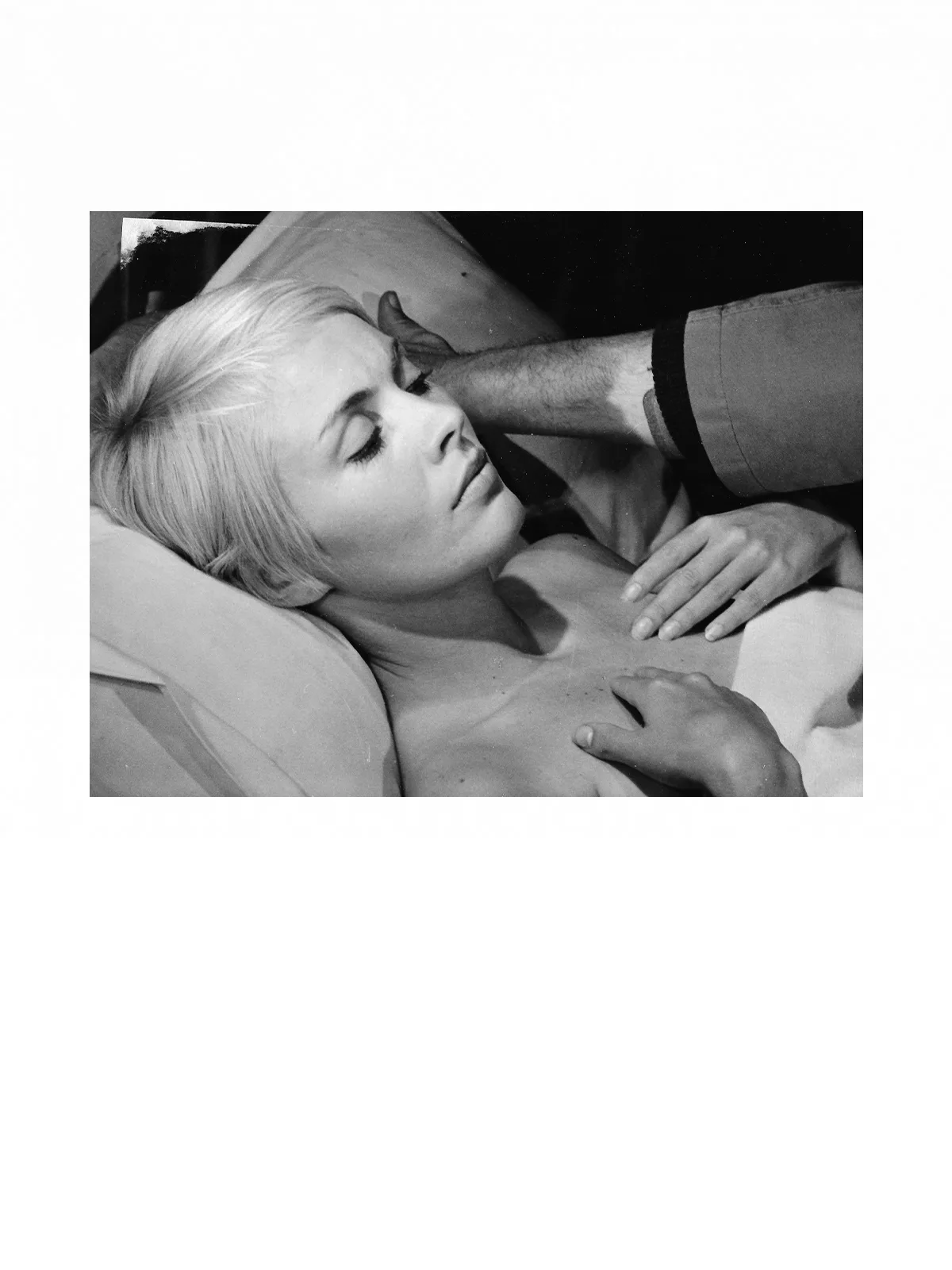
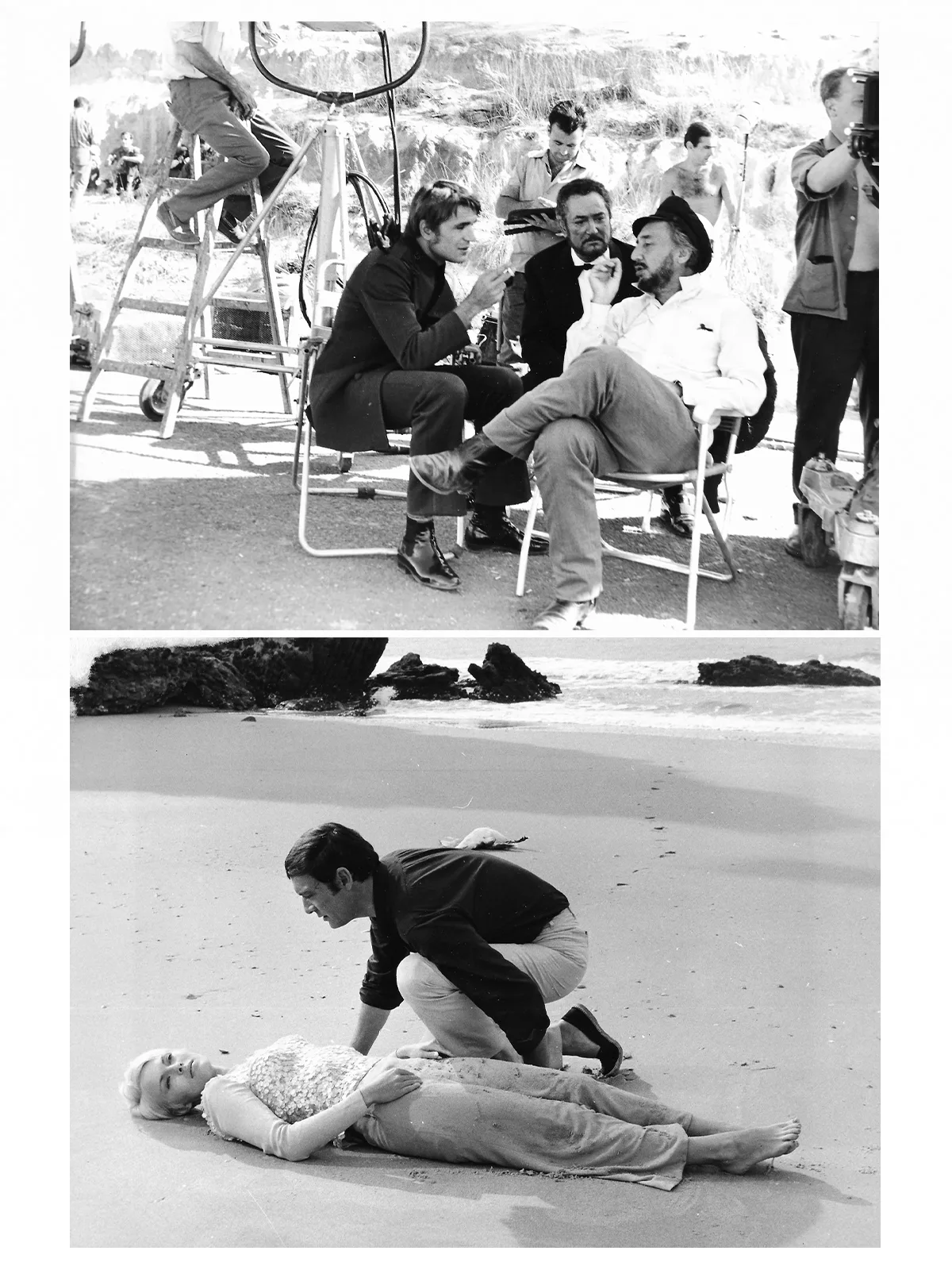
Accompanied by several period photographic prints taken during filming: Gary and Seberg between takes (set photograph, Universal Pictures); Gary, Brasseur and Ronet on the beach at Huelva; Maurice Ronet and Jean Seberg in several scenes on the beach; several set portraits of Jean Seberg, Maurice Ronet, Jean-Pierre Kalfon and Pierre Brasseur together; Gary and Danielle Darrieux… One photograph shows Jean Seberg resting between scenes at Huelva: clearly visible is the box of Montecristo cigars resting on Gary’s jacket, and, notably, his script — the very one offered here, which accompanied him throughout the two months of filming.
A unique ensemble.