

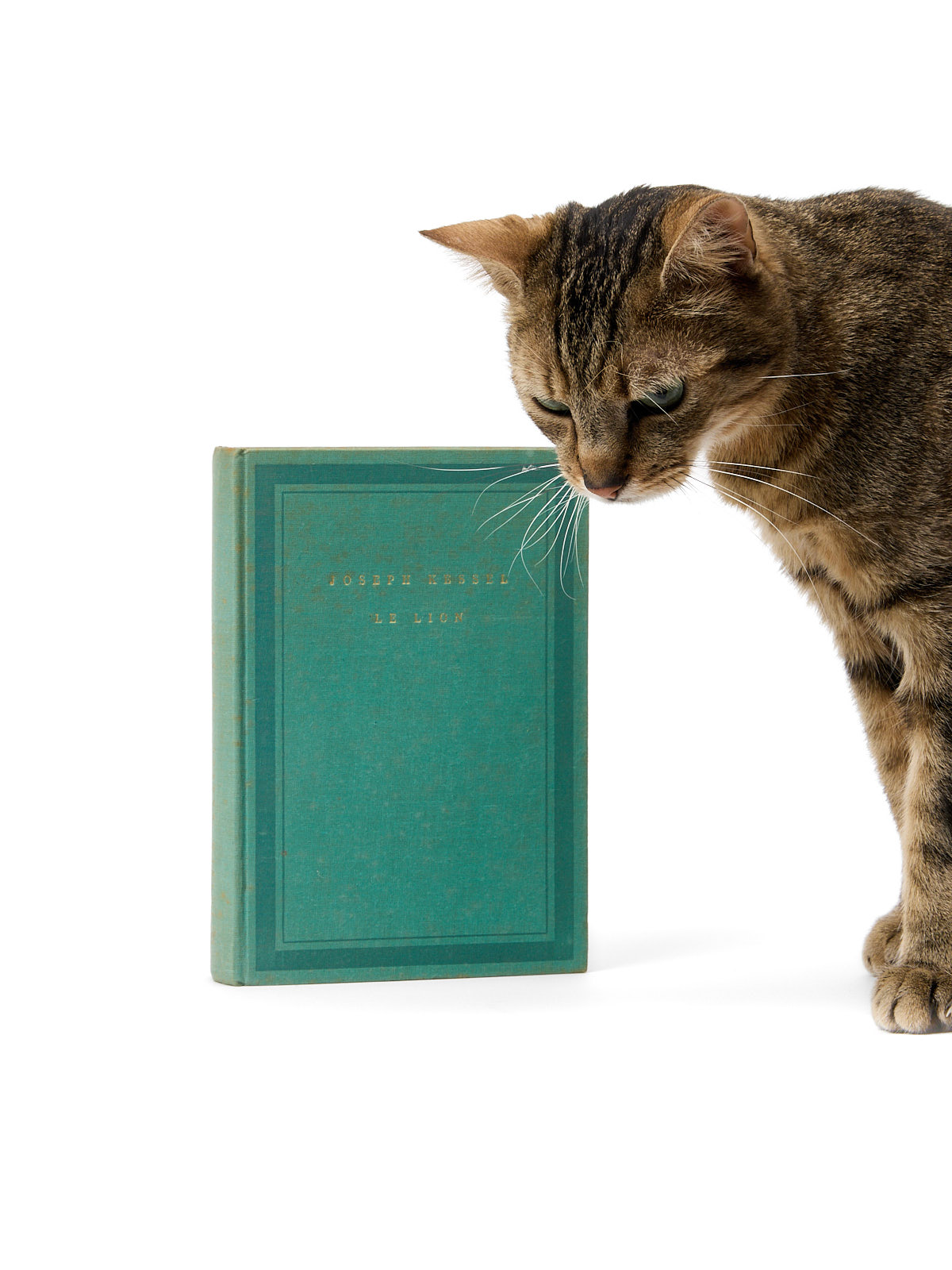
Le Lion
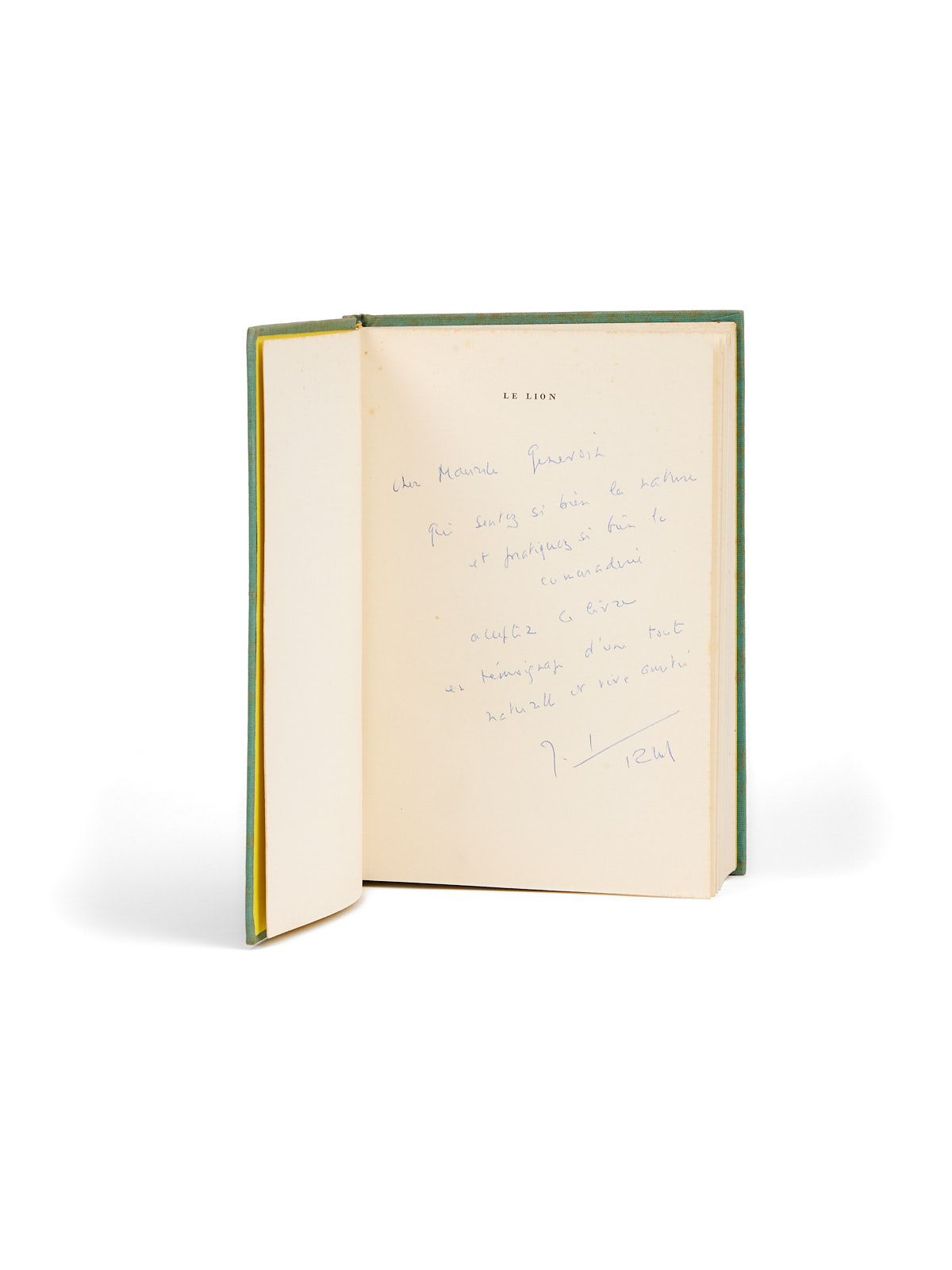
“Cher Maurice Genevoix qui sentez si bien la nature et pratiquez si bien la camaraderie, acceptez ce livre, témoignage d'une toute naturelle et vive amitié. J. Kessel.”
A copy given by one Academician to another: Kessel was elected to the Académie française in 1962, not far from the seat of Genevoix, who had sat there since 1946 before becoming its Permanent Secretary in 1958. “You wonderfully humanized the office,” Kessel would later write with regret when Maurice Genevoix, eager for the freedom to write, resigned in 1973. Kessel visited Les Vernelles, Genevoix’s house near Orléans, several times, and wrote the preface to the illustrated edition of La Boîte à pêche published by Rombaldi in 1969, illustrated by Claude Aberlenc — more a tribute than a preface.
Since Le Tour du malheur (published in 1950), Kessel had not published a single novel, so much so that the postwar public knew him chiefly as the celebrated reporter whose articles appeared in France-Soir. Drawing on the experience of his travels for material for a new narrative, he set about writing what would become one of his most popular successes: Le Lion.
His discovery of Kenya, which he visited in 1953 with his wife Michelle, provided the anchor for this narrative, whose real protagonists he had met in the Amboseli reserve, north of Kilimanjaro: a lioness named Iola and a little girl named Fiona. He drew no text from this experience at the time, neither in La Piste fauve, published three years earlier, nor even in a newspaper article. On receiving the manuscript, Gaston Gallimard knew at once that he had a success on his hands. The book’s release in bookshops (April) preceded the events in Algiers by a few days, and shortly after publication Kessel received a letter signed by the man he admired above all others: “Le Lion is magnificent. It is perhaps the finest of your books. It moves, runs, rises, bursts out and resounds. Your talent is very great, and you distribute its fruits generously, straightforwardly, without artifice of thought or style. Thank you. […] Most cordially yours. C. de Gaulle.” (Letter of 5 May 1958). Gallimard had anticipated a success: it became a triumph, with more than 100,000 copies sold in the first months and, ten years later, more than two million copies sold.
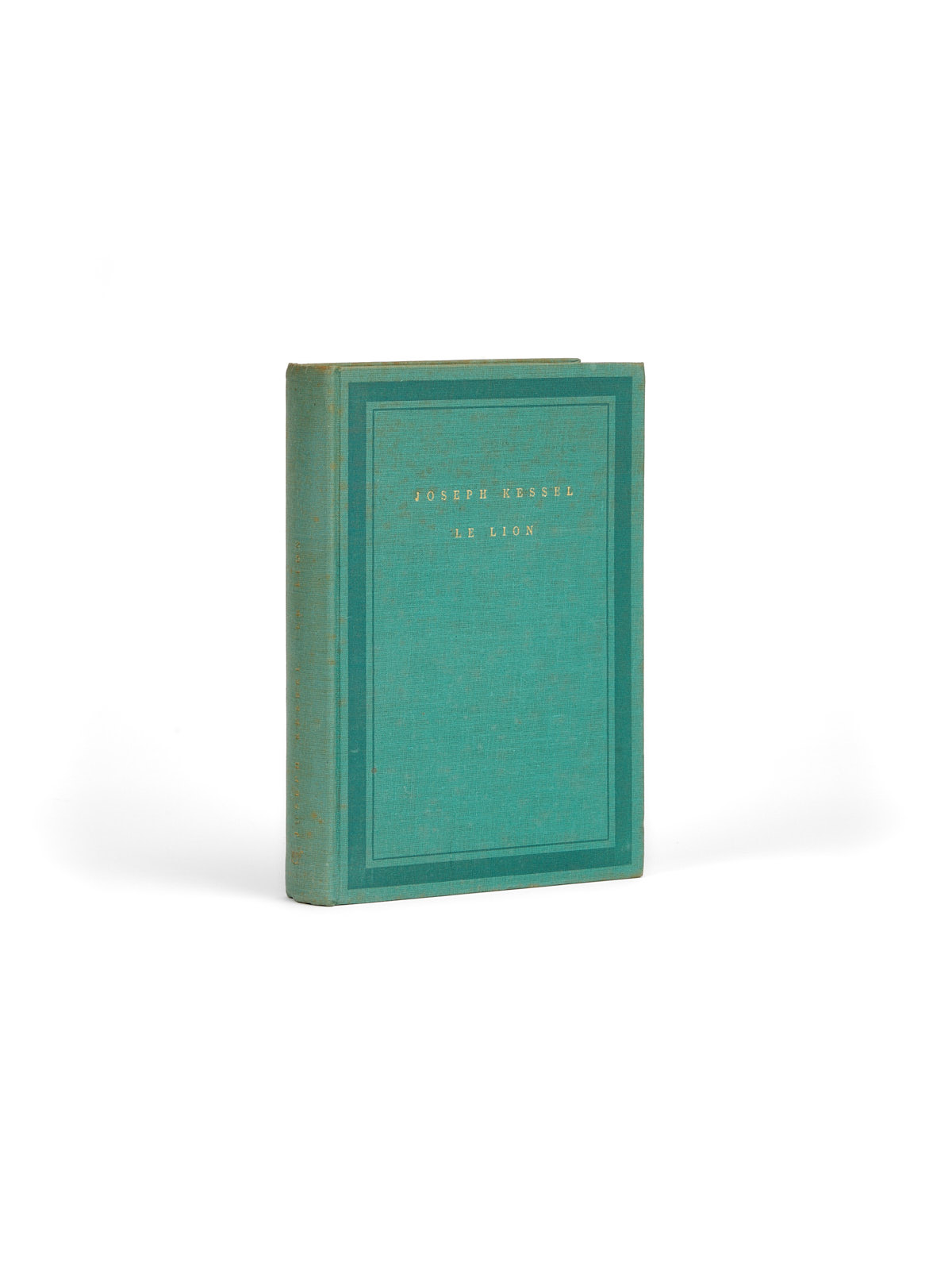
The book was naturally reissued in the “Collection Soleil” a few weeks after its appearance in the white collection. The volumes of this new series were bound in cloth, in a design by Massin, the color varying according to the author chosen. For Kessel, it was green. The series had been created the previous year, in 1957, to compete with the “Club du meilleur livre” (a joint subsidiary of Gallimard and Hachette): Claude Gallimard was opposed to the idea of Hachette benefiting from the exploitation of his backlist in bound-book form, and wished instead to develop his own series.
The printing was limited to a few thousand copies, with this advertising line at launch: “The sun, said Fontenelle, is the pride of the planets. The books of the ‘Soleil’ collection, all in sun-octavo format, will be the pride of your library.”