

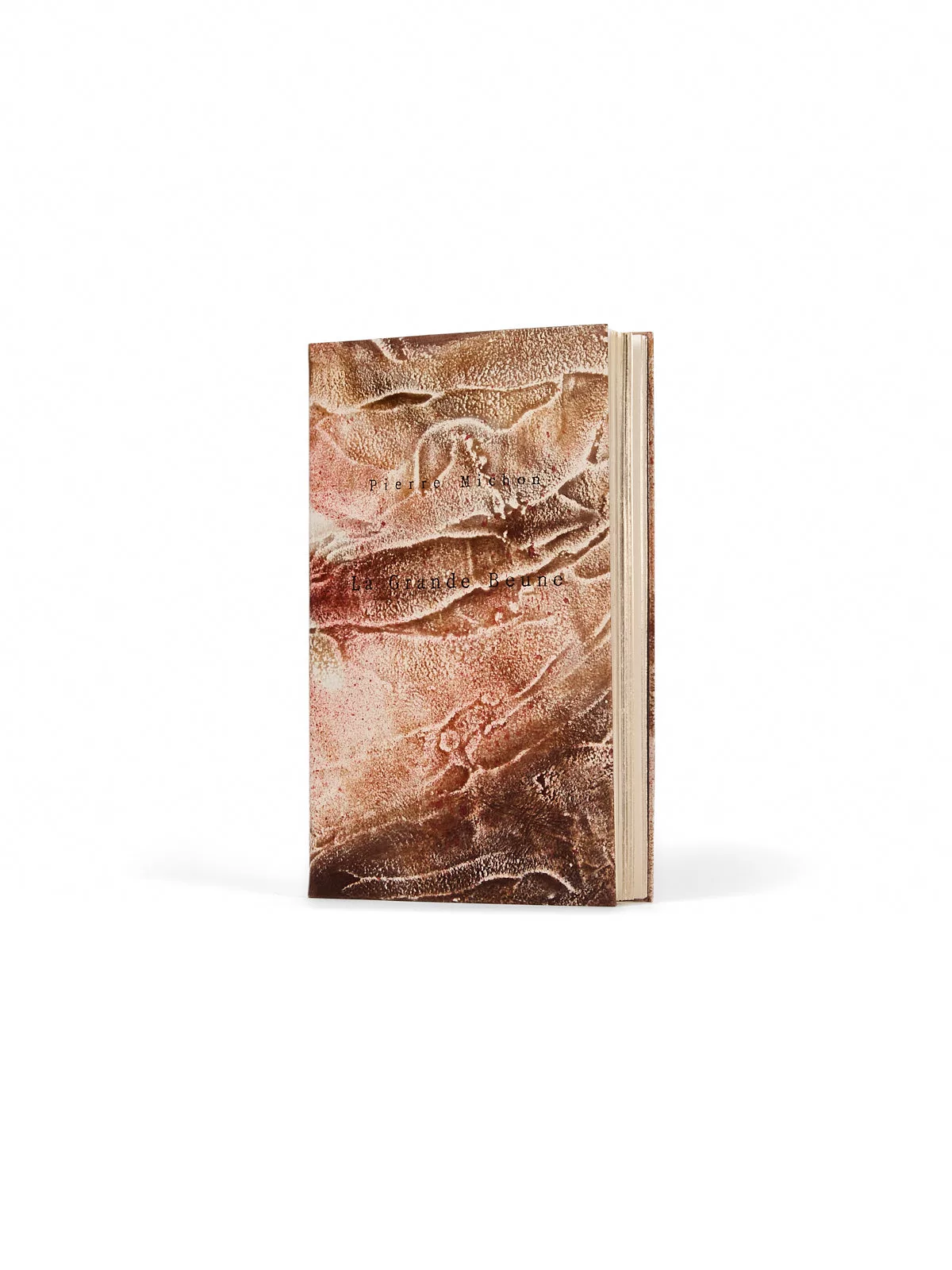
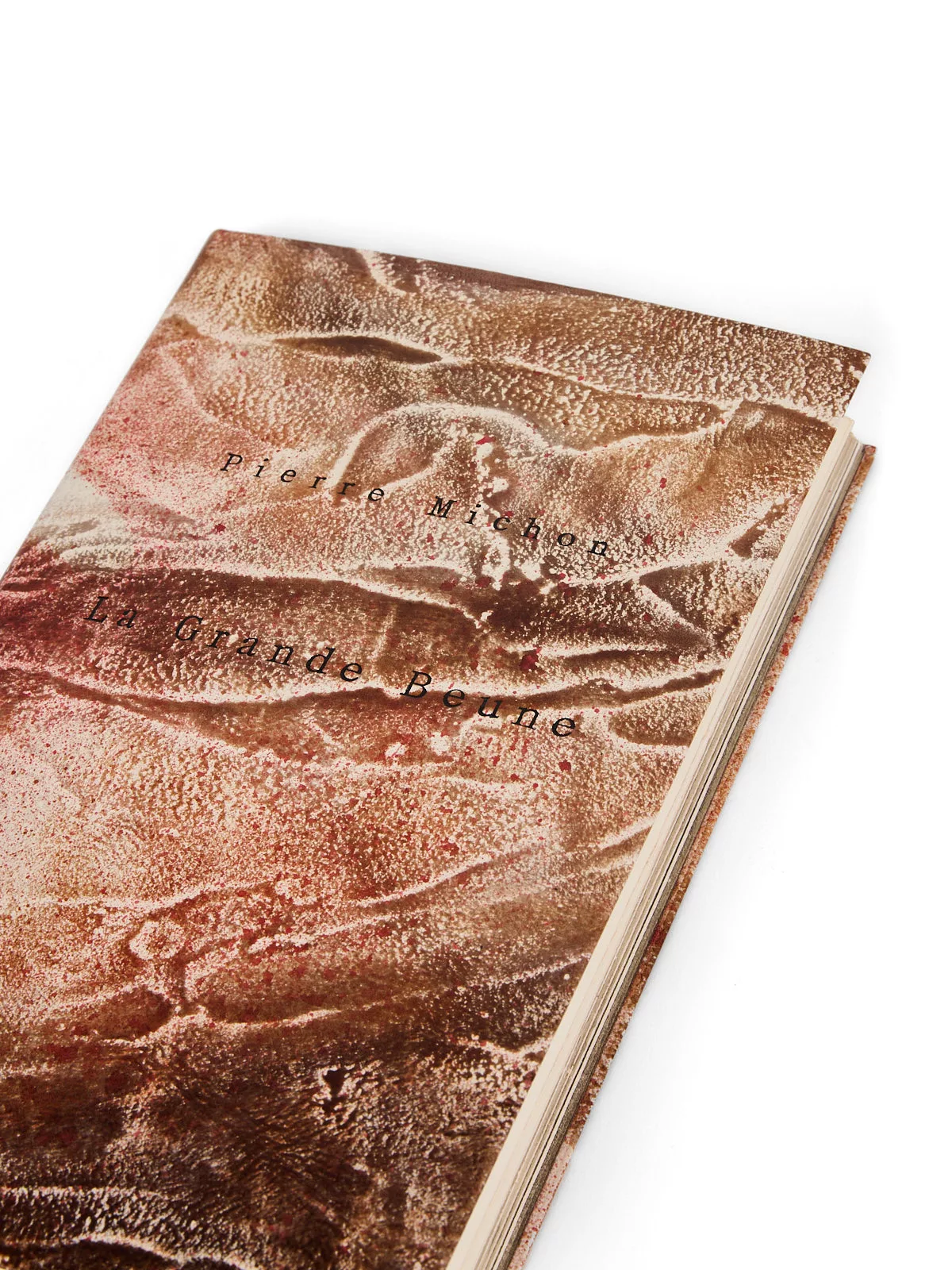
La Grande Beune
One of the first 60 copies on vergé Ingres paper, signed by the author, this copy no. 12.
La Grande Beune has its origins in L’Origine du monde, published in three chapters across three issues of the Nouvelle Revue Française, from May to July 1988. Two further chapters followed in 1993, published by Théodore Balmoral: “a powerful promise of a project so vast and so full that it seemed to keep its author from any publication since Rimbaud, le fils. Readers had long awaited from the author of Vies minuscules something to which Michon himself would have wanted to attach the name of great work (…) The yellow cover of Éditions Verdier finally delivered the text, cut down to mannequin size… L’Origine du monde, in this version, became La Grande Beune. At first glance, one might be tempted to throw in the towel before this dish worthy of nouvelle cuisine. But one need only lift the lid for the aroma to fill the room at once. One need only immerse oneself in the some ninety pages of La Grande Beune to understand that this is one of the finest books to have appeared in recent years” (Thierry Guichard, in Le Matricule des Anges, no. 15, February 1996).
Indeed, this novella is a genuinely dazzling text, born of the dazzling apparition of a woman, echoing the emotion of the narrator of Le Roi du bois, published alongside it. The Prix Louis-Guilloux crowned what the author himself considered “almost a novel” or “barely a novel,” since “only what deserved to be published was published: the mad and undirected desire of a very young man for a beautiful woman, a desire I myself felt for a hundred pages. After that, action was needed — possession or renunciation, fornication or murder, the twists and turns as they say, all those quite relative and arbitrary events in which the novel loses, along the way, the energetic potential of prose” (in Le Roi vient quand il veut, Albin Michel, 2007).
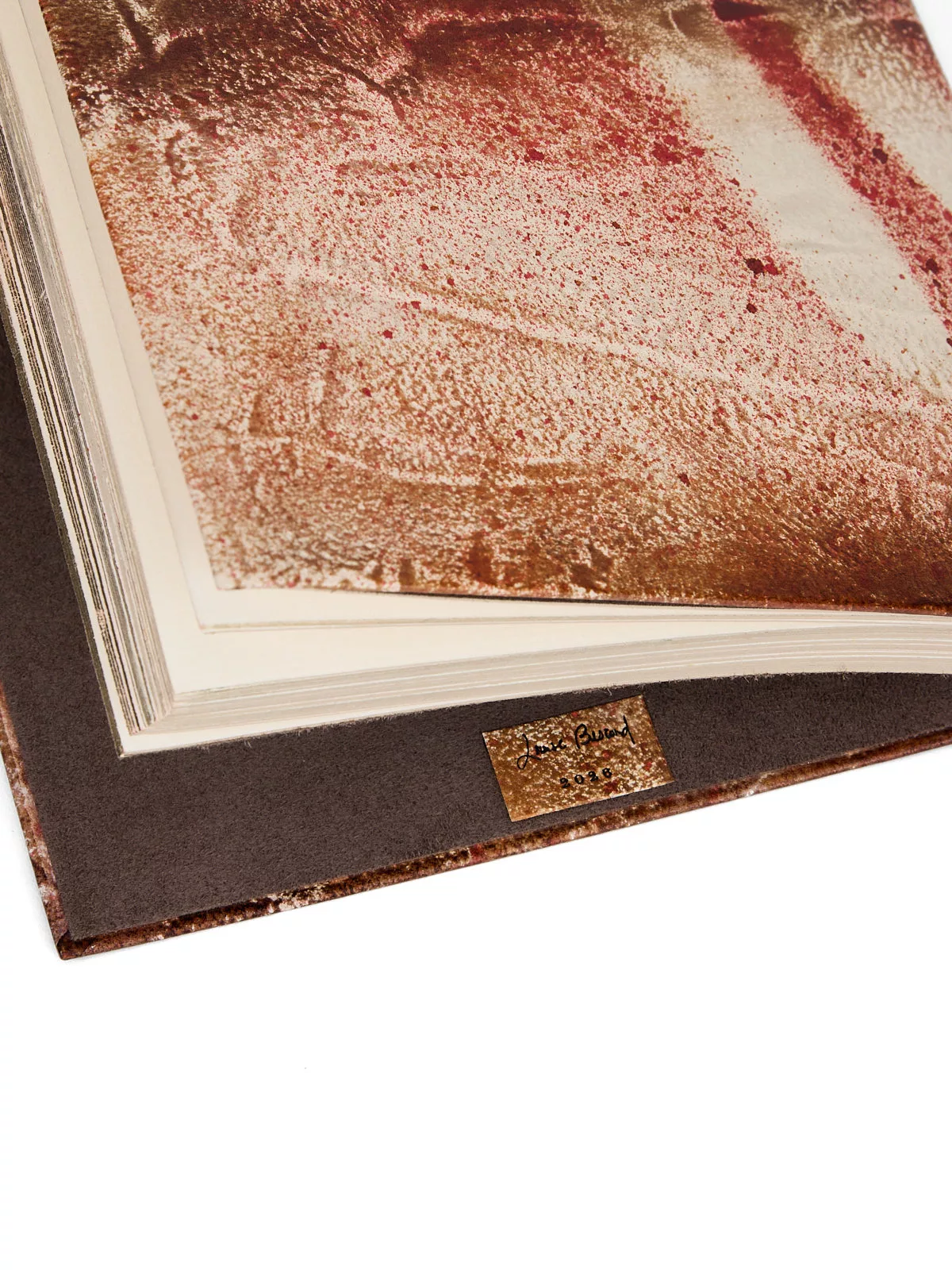
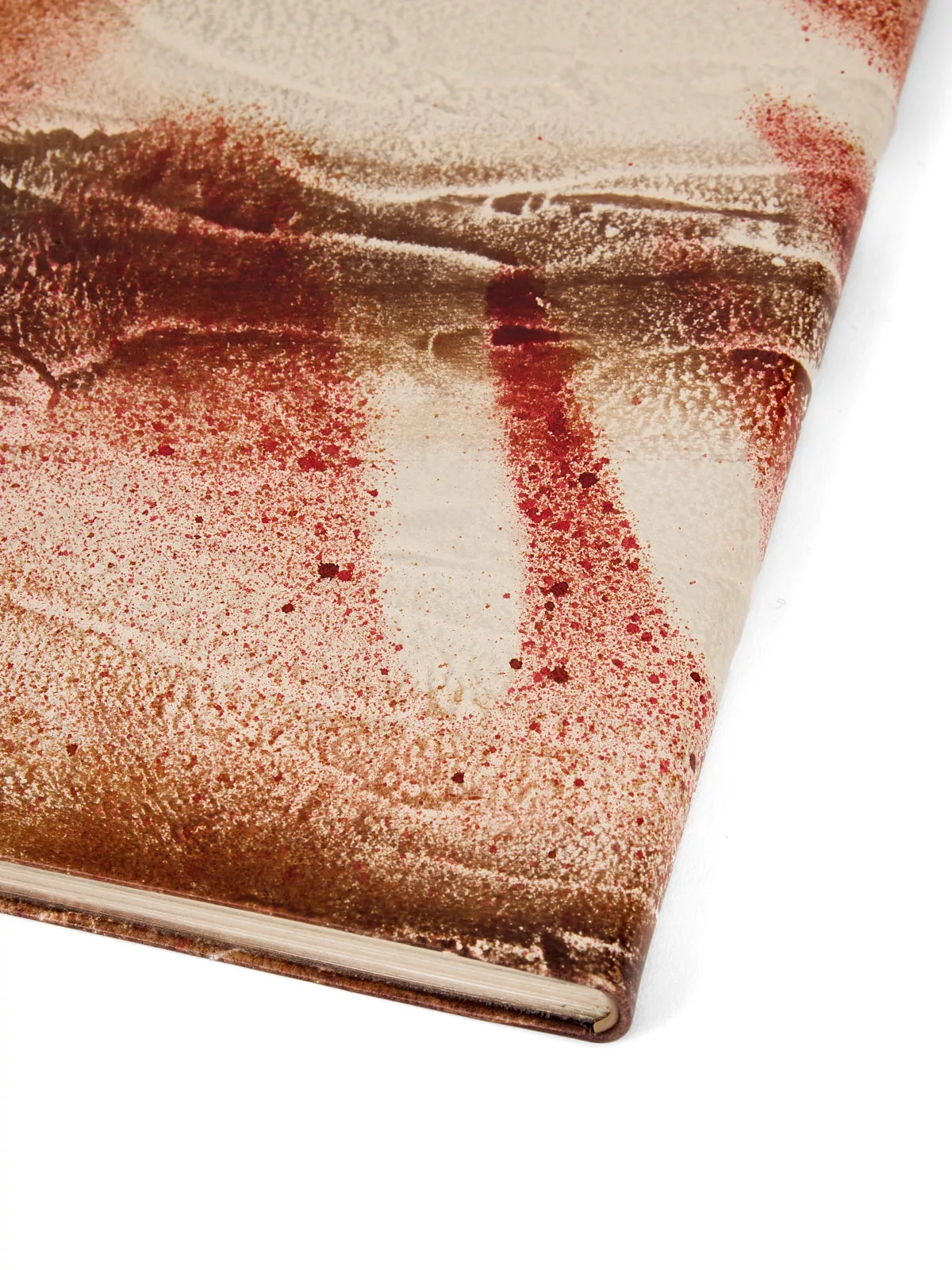
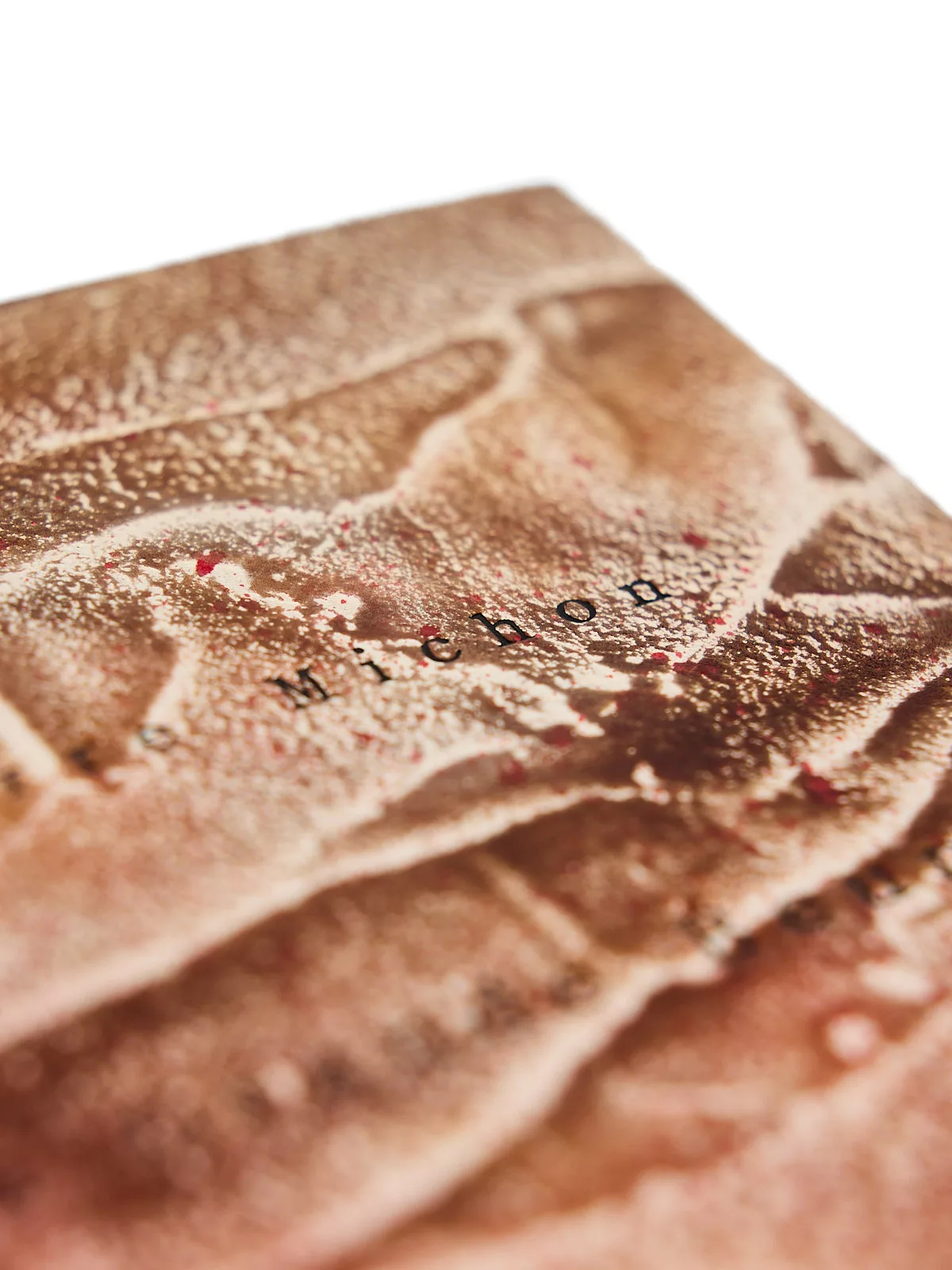
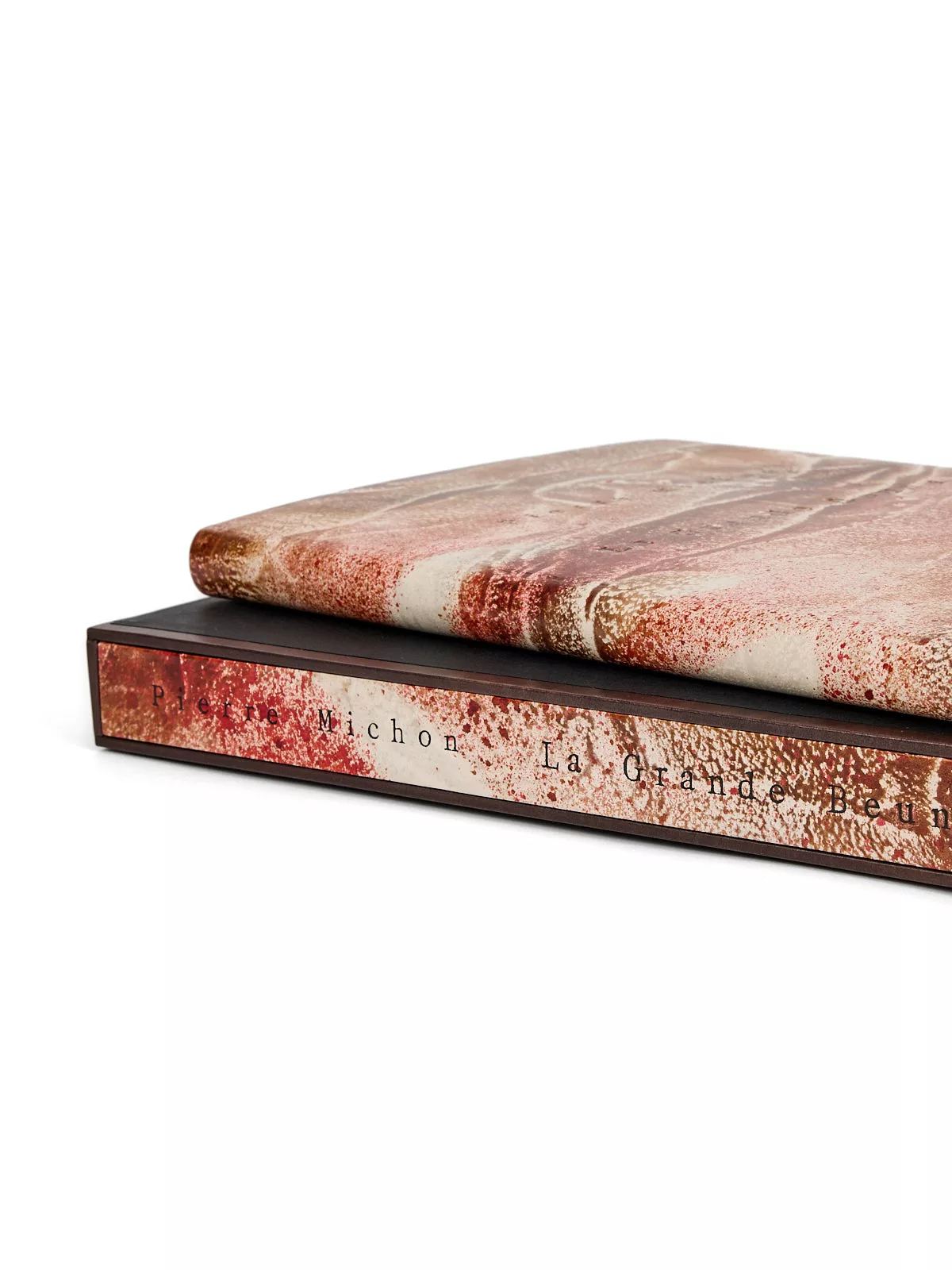
A deluxe copy in a striking binding by Louise Bescond.