

Farouche à quatre feuilles
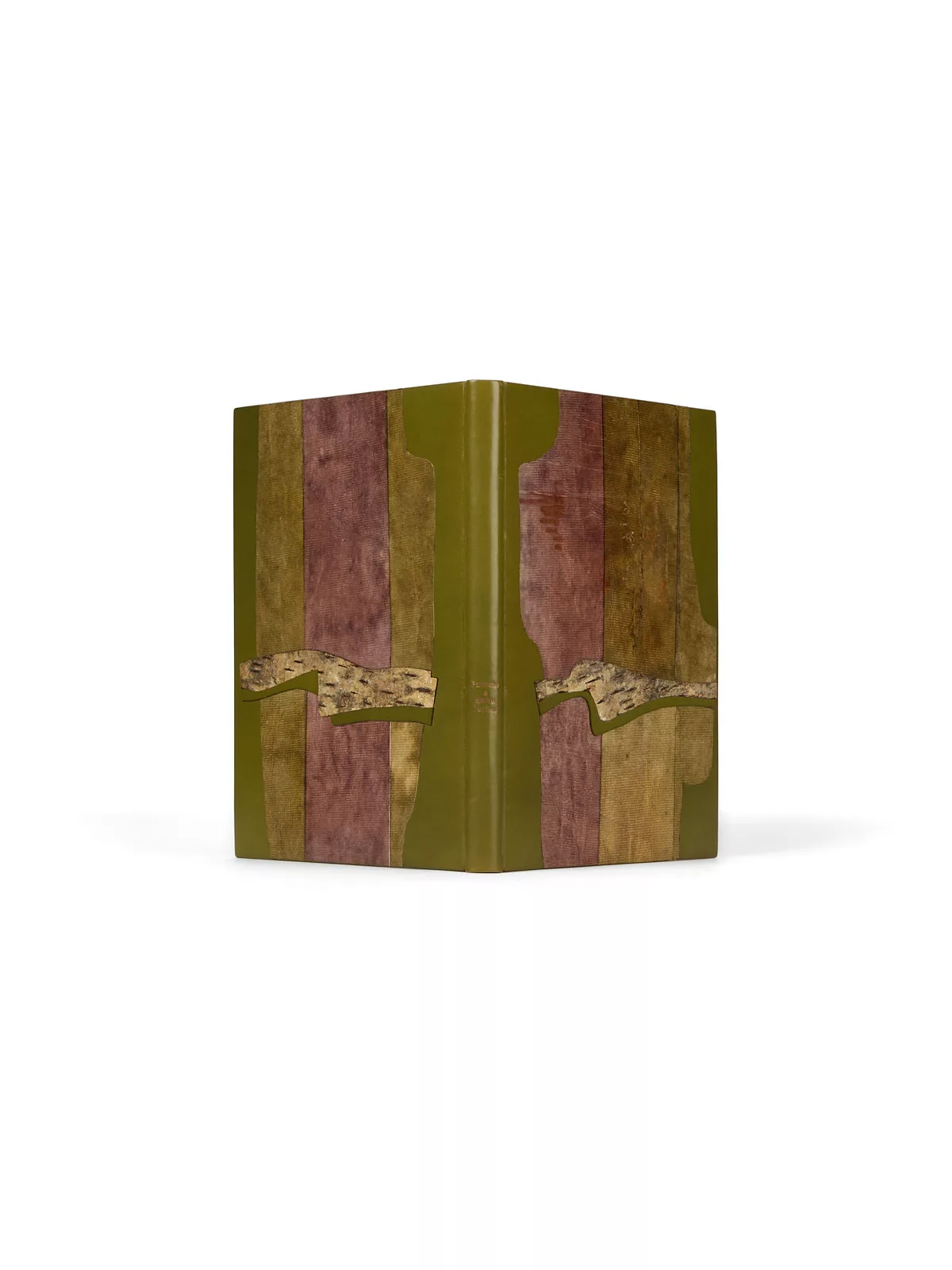
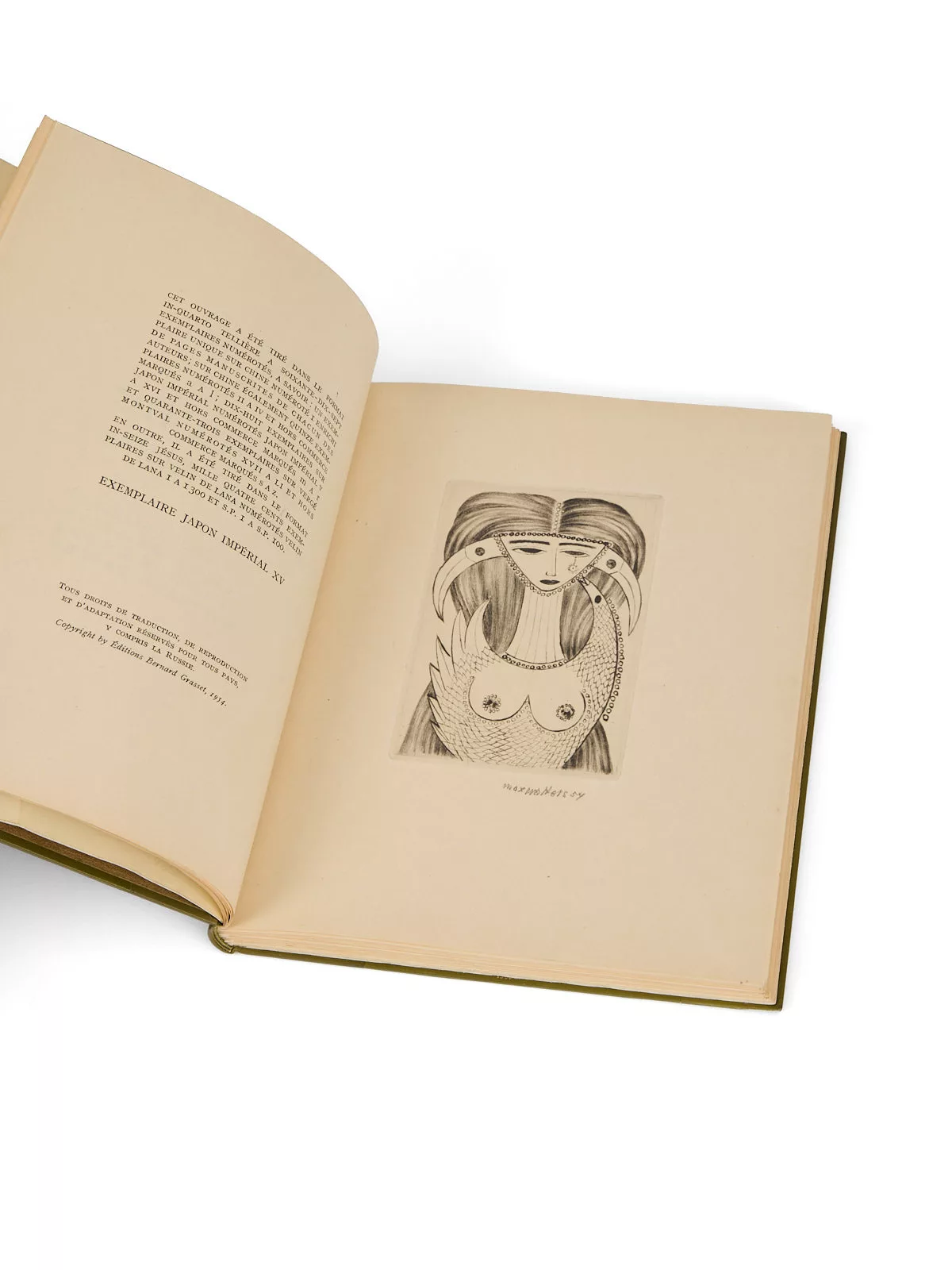
One of 18 copies on Japanese paper (no. XV).
After the war, Breton renewed ties with the women who had shaped his life: Simone, Suzanne, Jacqueline and, above all, Lise Deharme. It was for a series of radio broadcasts produced by Deharme, under the generic title “Les Dormeurs éveillés,” that André Breton wrote Alouette du parloir. He himself read it on air on October 20, 1953, on Paris Inter, interspersed with melodies by Schoenberg, Stravinsky and Bartók.
Breton also wished to see the text published, and an edition proposed by Bernard Privat at Grasset duly appeared, bringing together three further texts likewise concerned with creative reverie: La Vraie joie by Lise Deharme, Les Yeux bien ouverts by Julien Gracq (later included in Préférences in 1961) and Madrépores ou l’Architecte imaginaire by Jean Tardieu (later included in the collection Pages d’écriture in 1967).
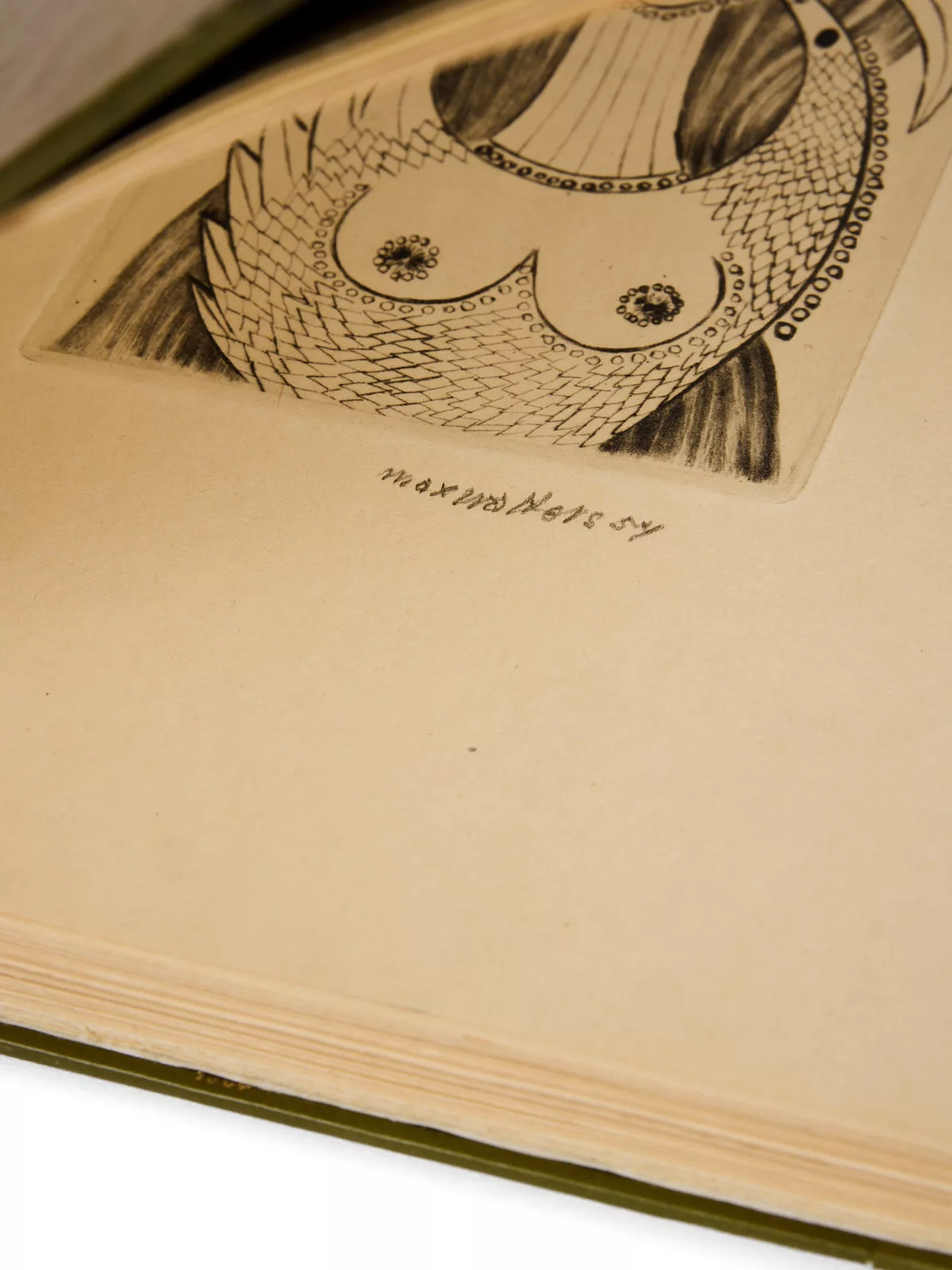
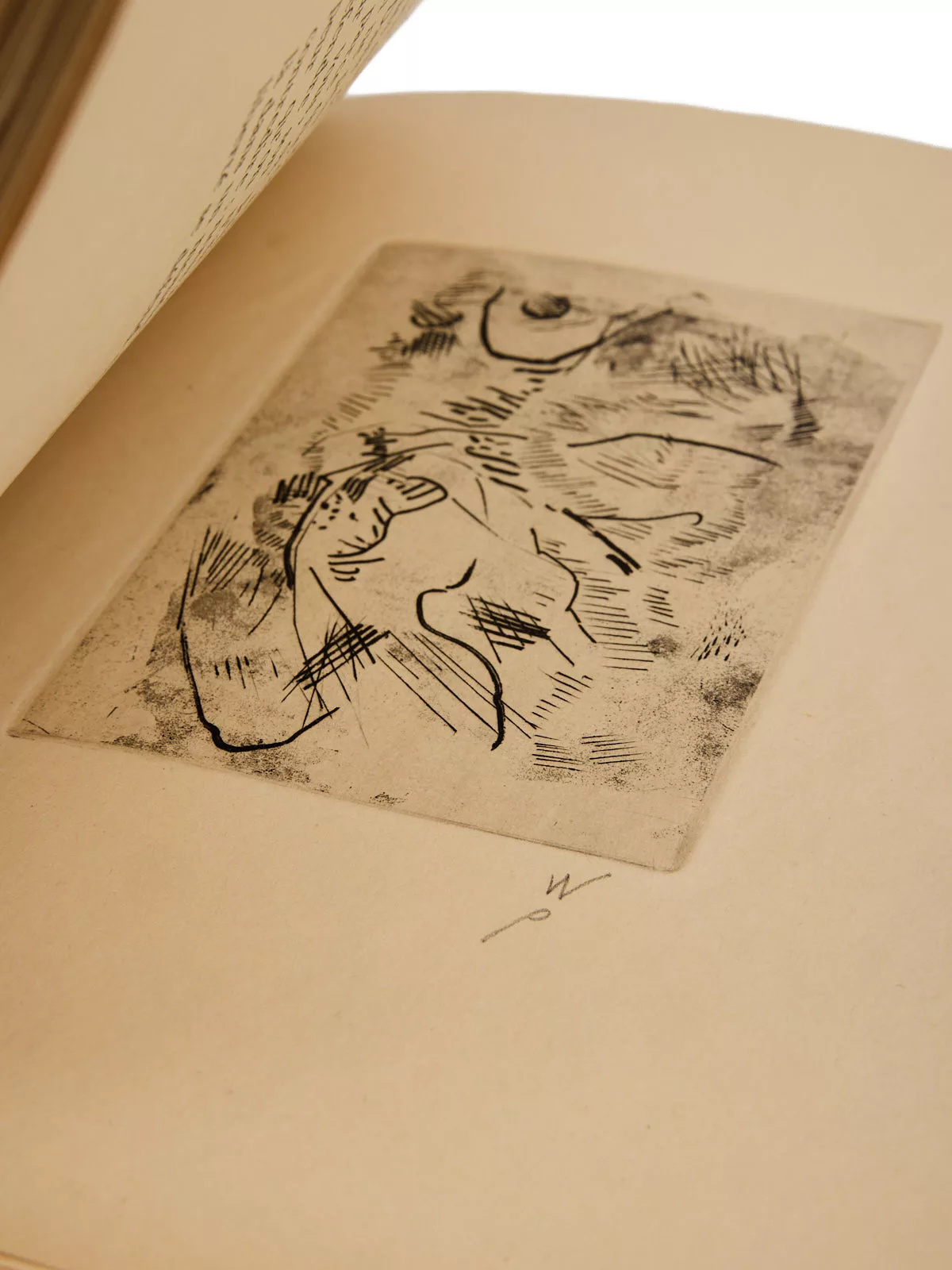
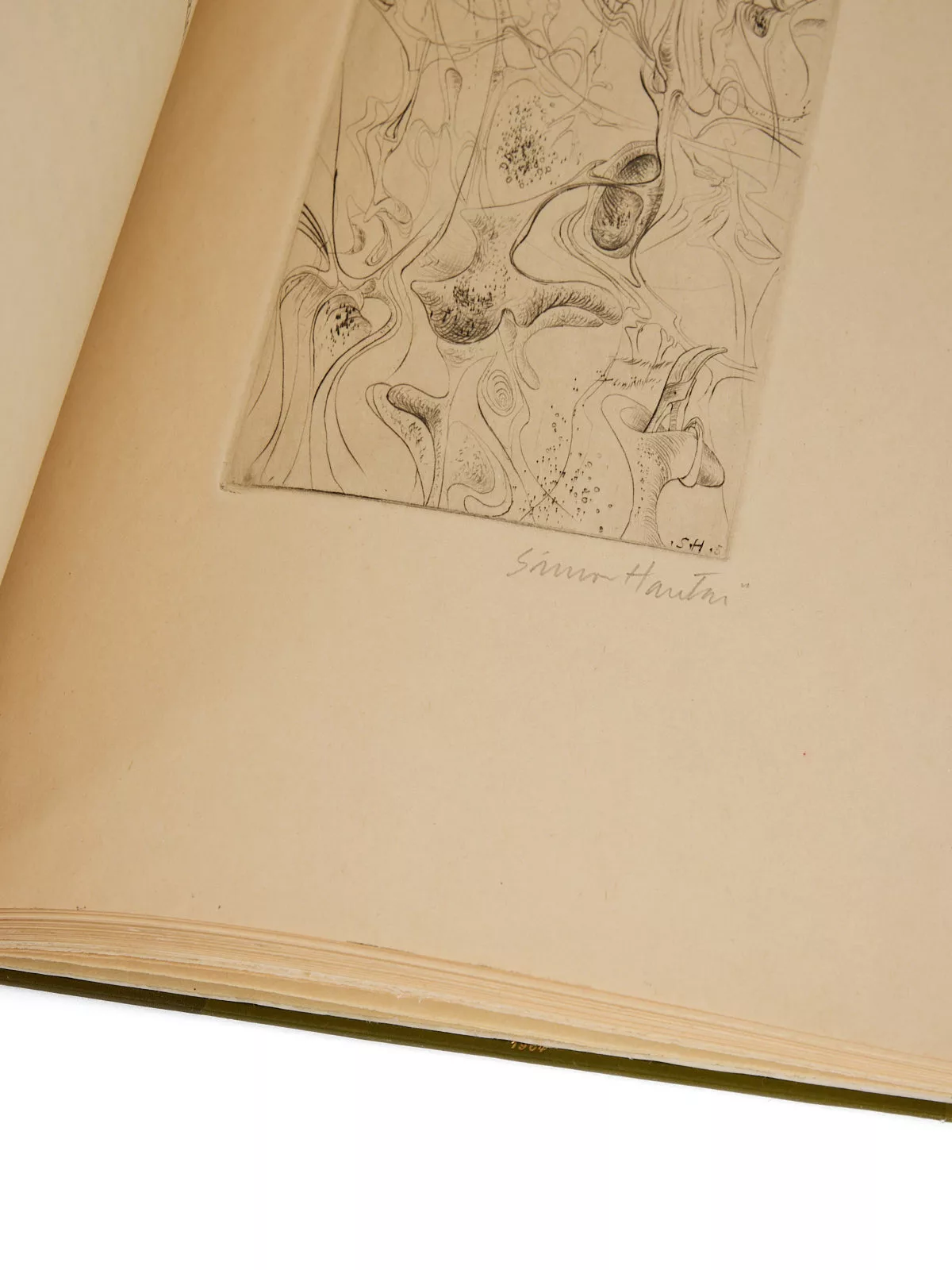
The volume is illustrated with four etchings by Max Walter Svanberg, Vieira da Silva, Simon Hantaï and Wolfgang Paalen.
The title of the book was devised by Lise Deharme: farouche is the name given in the southwest of France to clover when it bears a flesh-pink color.
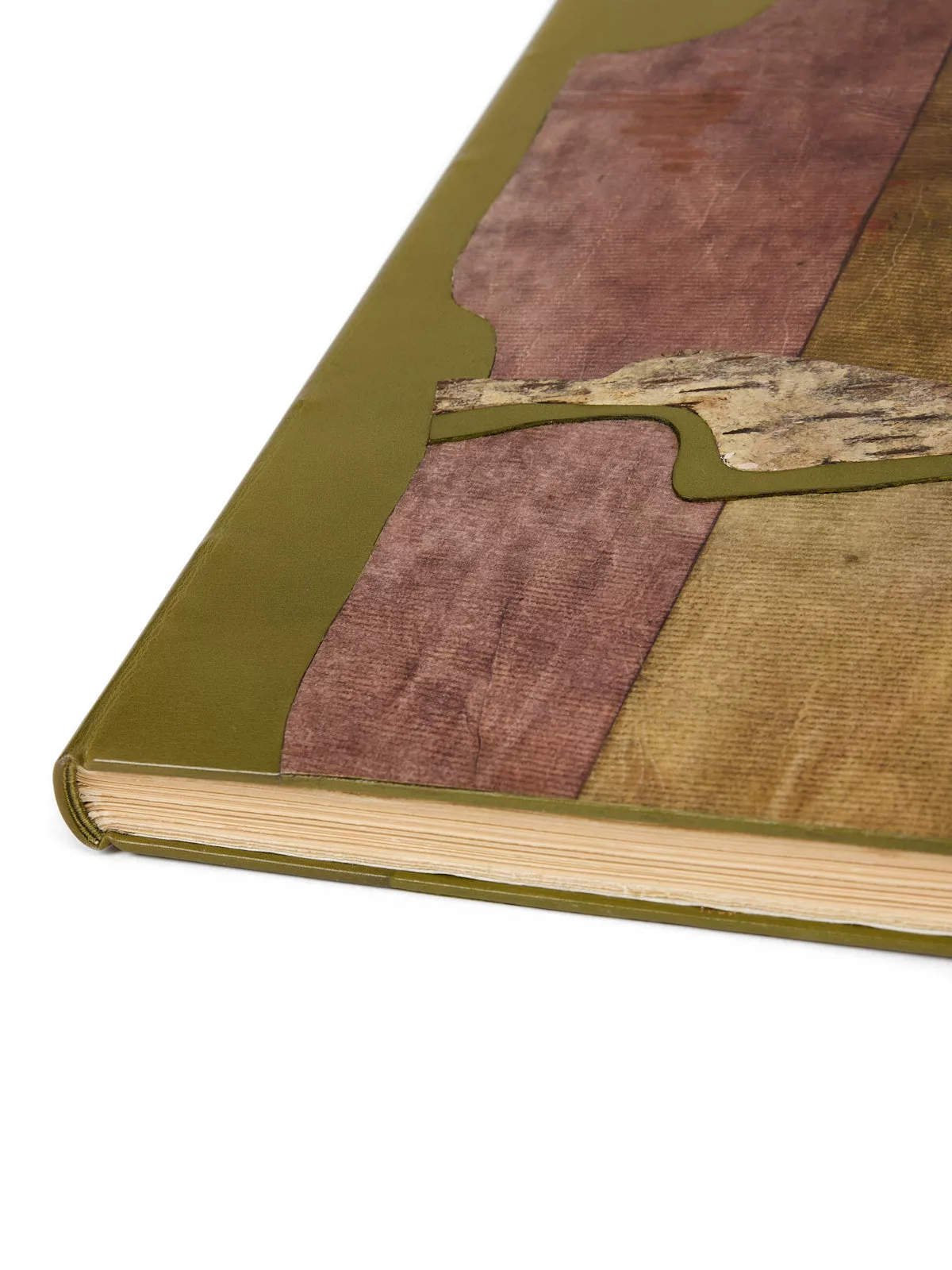
A very fine copy, delicately bound by Monique Mathieu.
From the library of Philippe de Rothschild, with bookplate.