

Conseils pour voyager sans argent
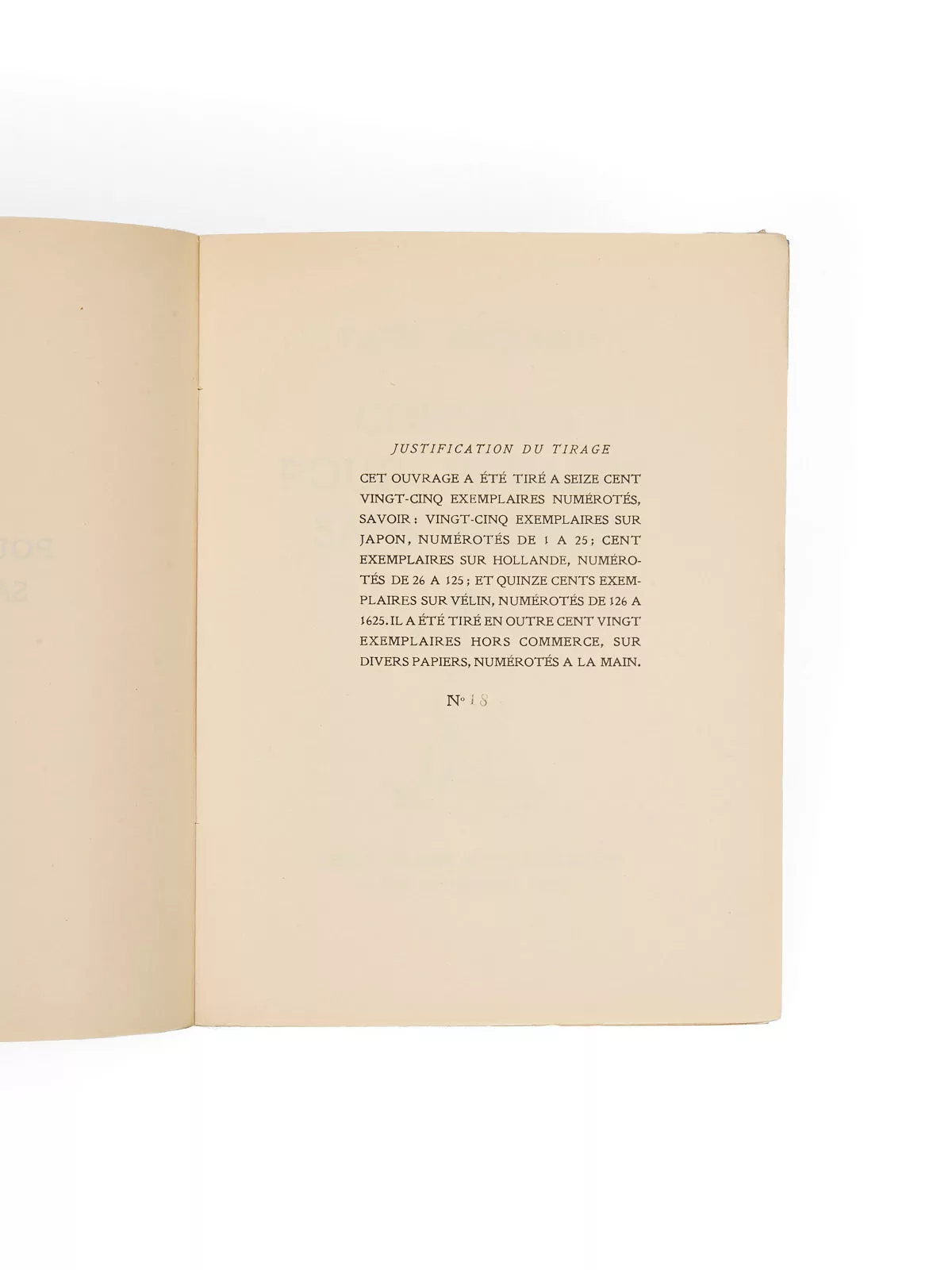
One of 25 copies on Japanese paper (no. 18).
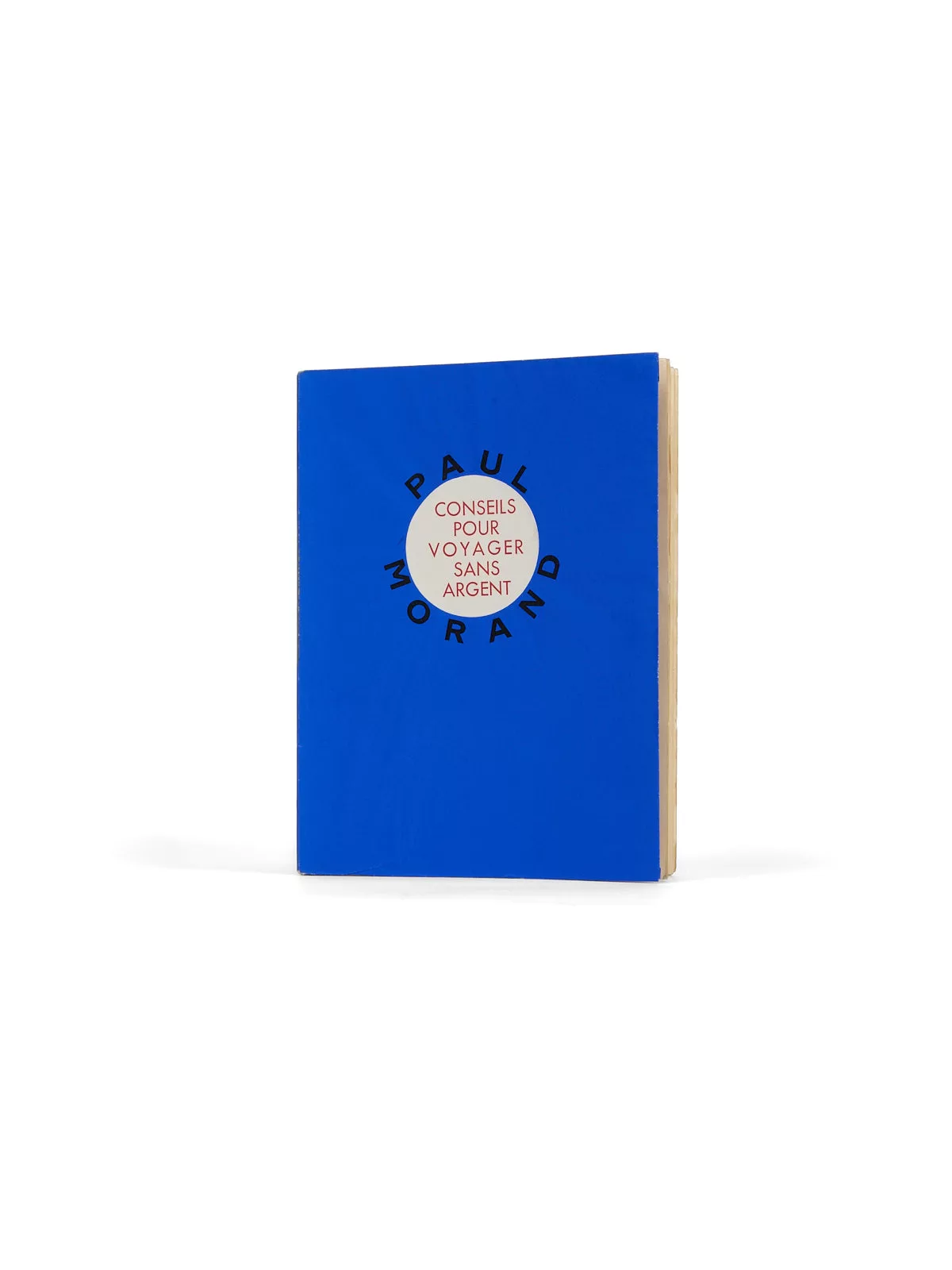
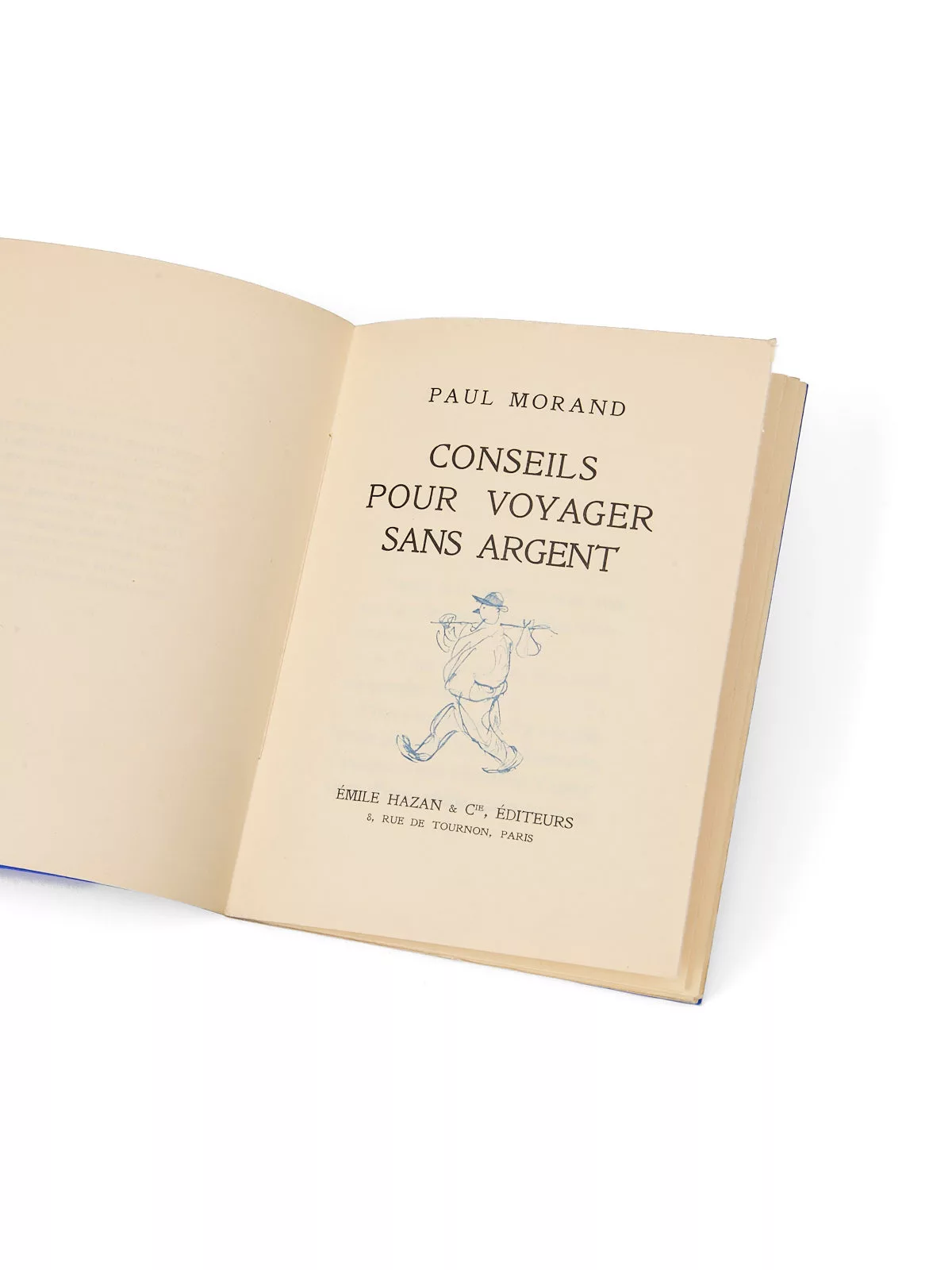
A short text emblematic of Paul Morand’s aesthetic of travel, Conseils pour voyager sans argent belongs to that constellation of narratives, chronicles and fragments in which the writer expresses his passion for movement and elsewhere. “As far back as I can remember, this desire to be elsewhere, implacable, persistent as a wound, and atlases always wide open,” he wrote in 1926. This inclination never wavered. From his first stay in England in 1908 — London, his “first experience of the roads of the world” — to his last journeys to Tunisia, Sicily or Jersey in the very year of his death in 1976, Morand never stopped traveling the world. More than a traveler, he saw himself as a man of movement: “I will not be ashamed of my life as long as it remains mobile.”
His advice distills a very personal art: landscape, city or anecdote are captured in a quick, almost dazzling stroke. Nicolas d’Estienne d’Orves aptly summed up this manner in his preface to the anthology Bains de mer, bains de rêve (2019): “Morand is a sharpshooter. Never a spray of gunfire, but a single accurate, precise, implacable shot. He seizes in the literal sense of the word: he catches an image, a scene, binds it only to set it free again in words, and the journey becomes a book.”
Running through the text is a genuine philosophy of wandering, which might be summed up in Rudyard Kipling’s phrase: “All told, there are only two kinds of men in this world, those that stay at home and those that do not.”
A magnificent copy of this rare booklet, issued in its ever so fragile blue paper wrapper: here in as-new condition.