

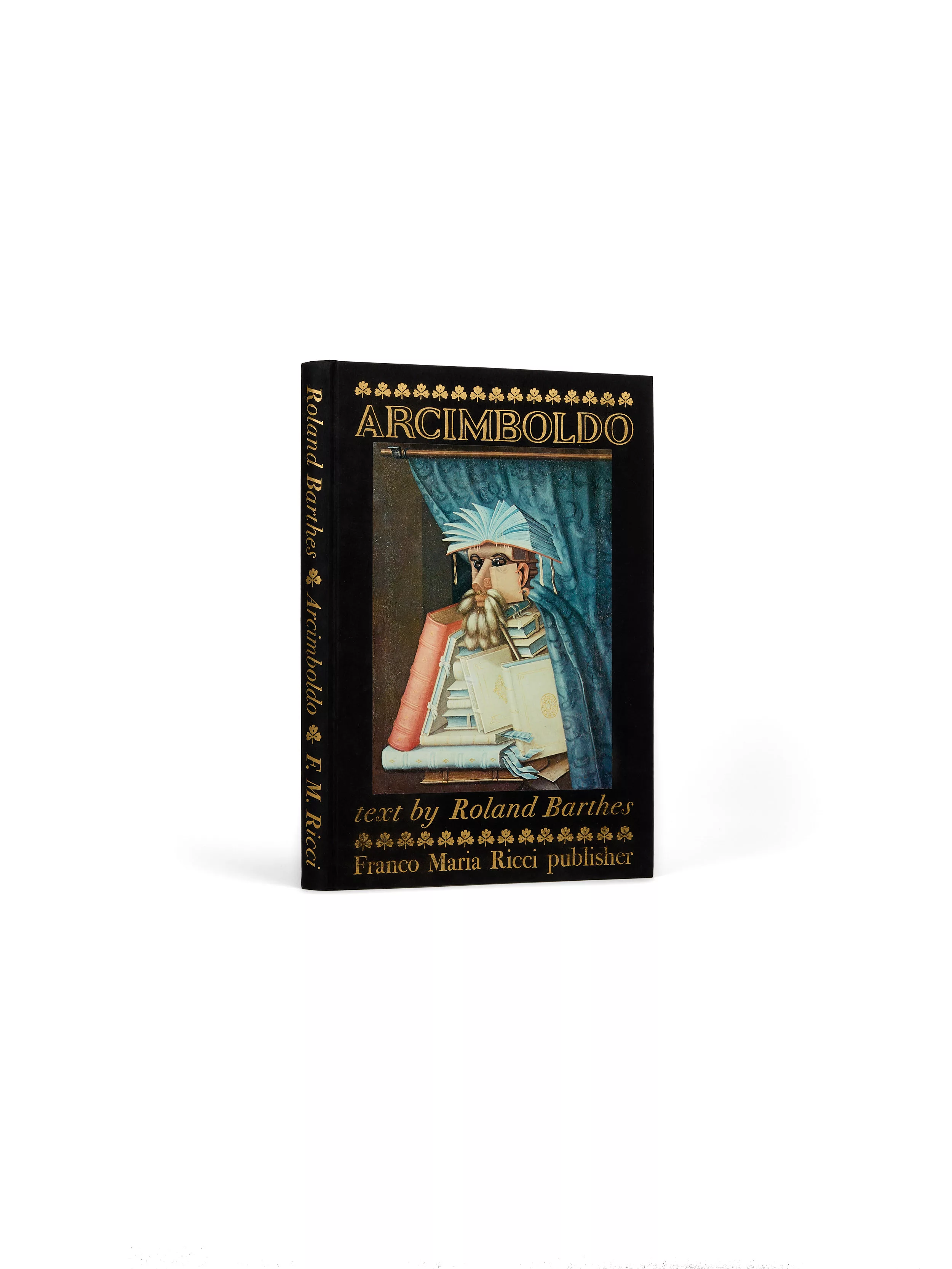
Arcimboldo
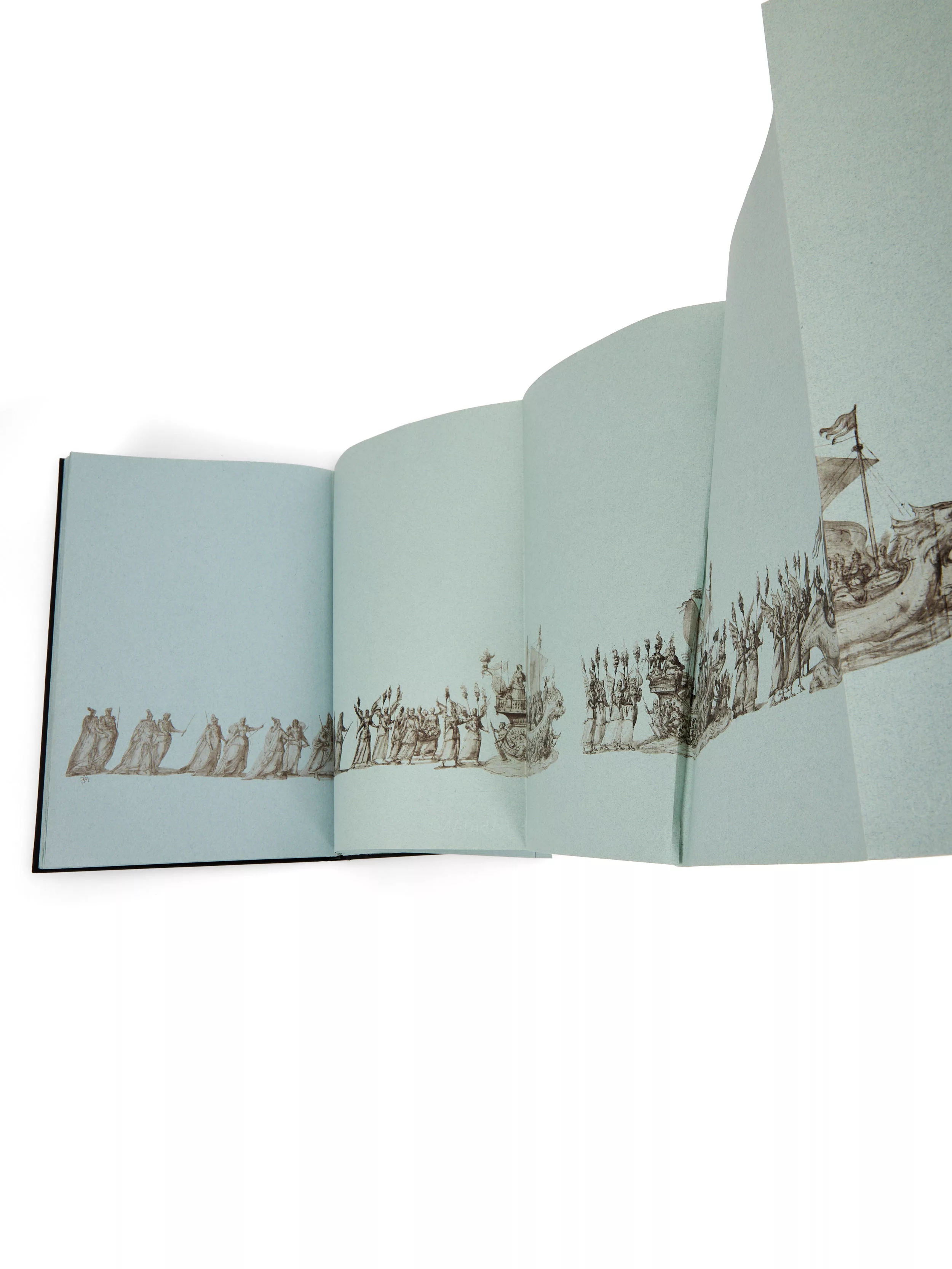
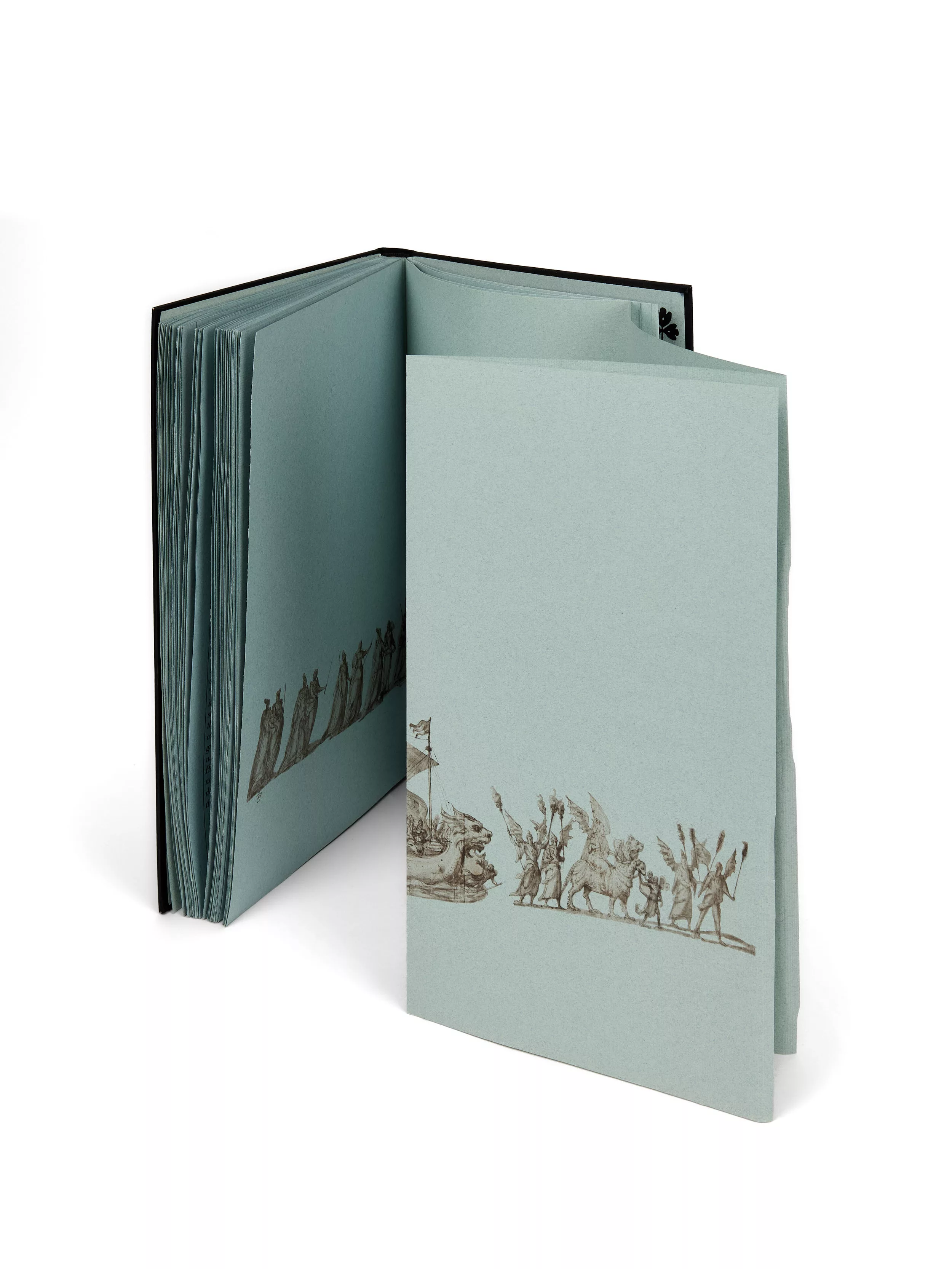
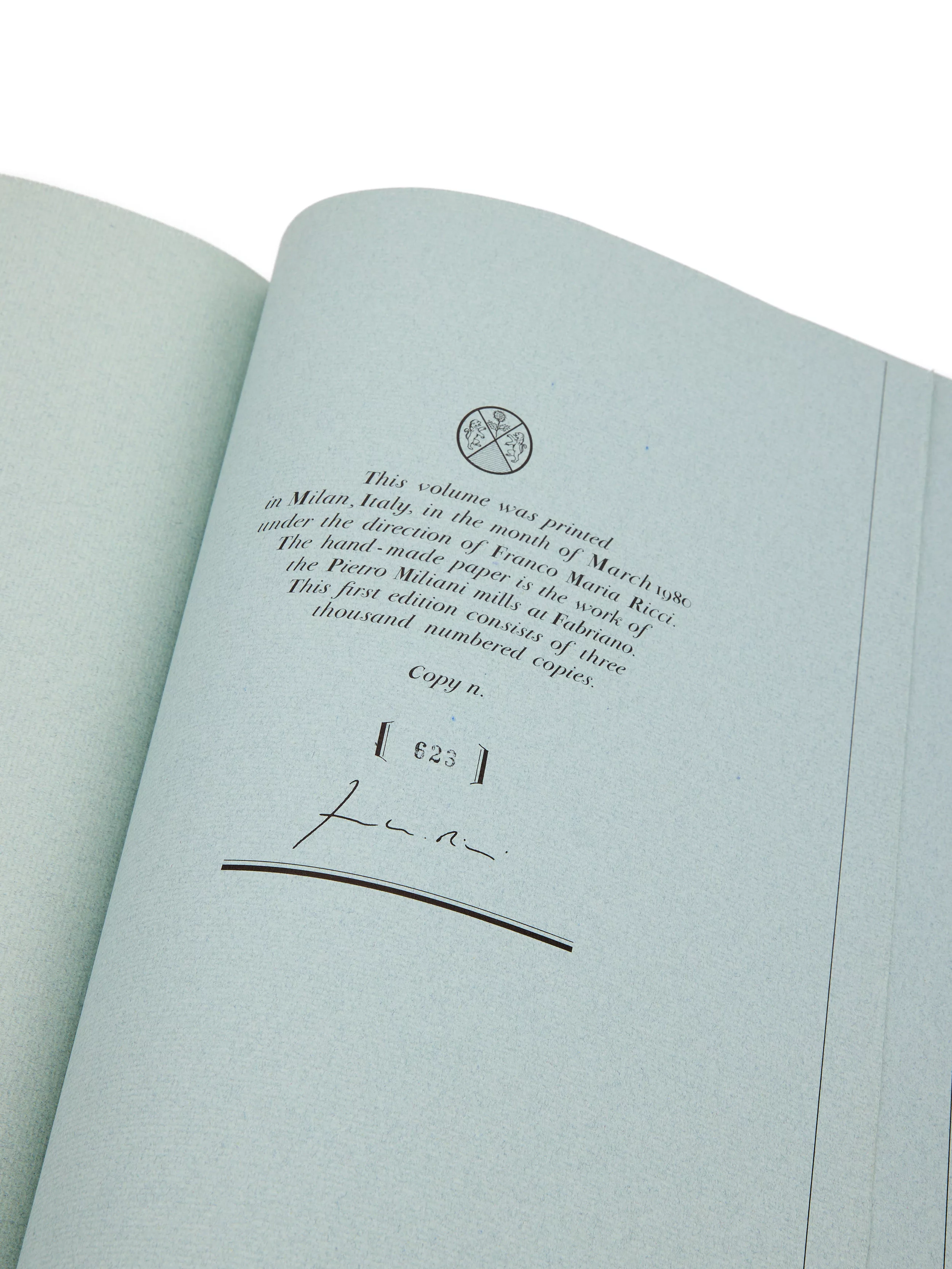
Limited to 3,000 copies on blue laid paper, this copy no. 623, signed by the publisher.
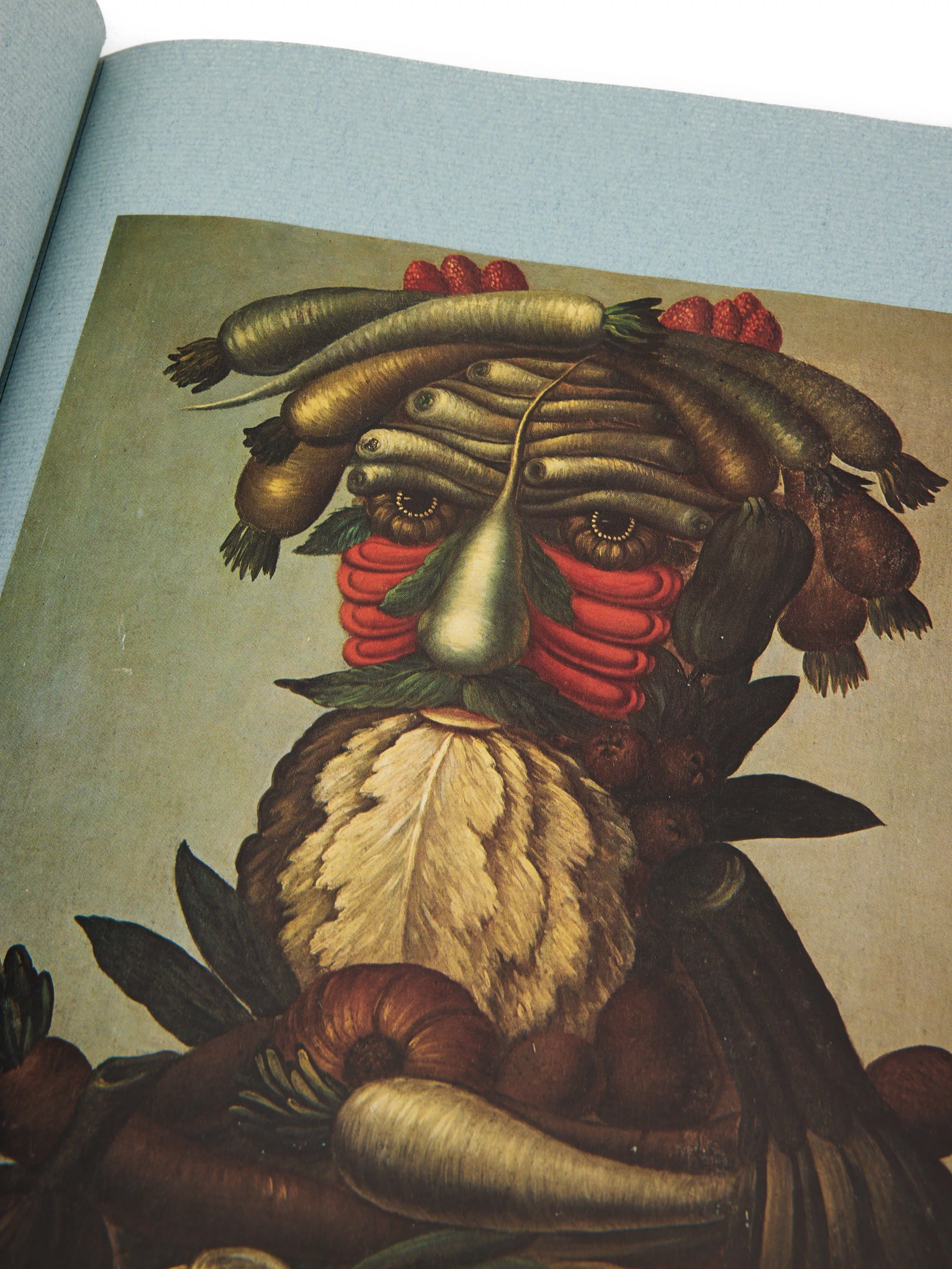
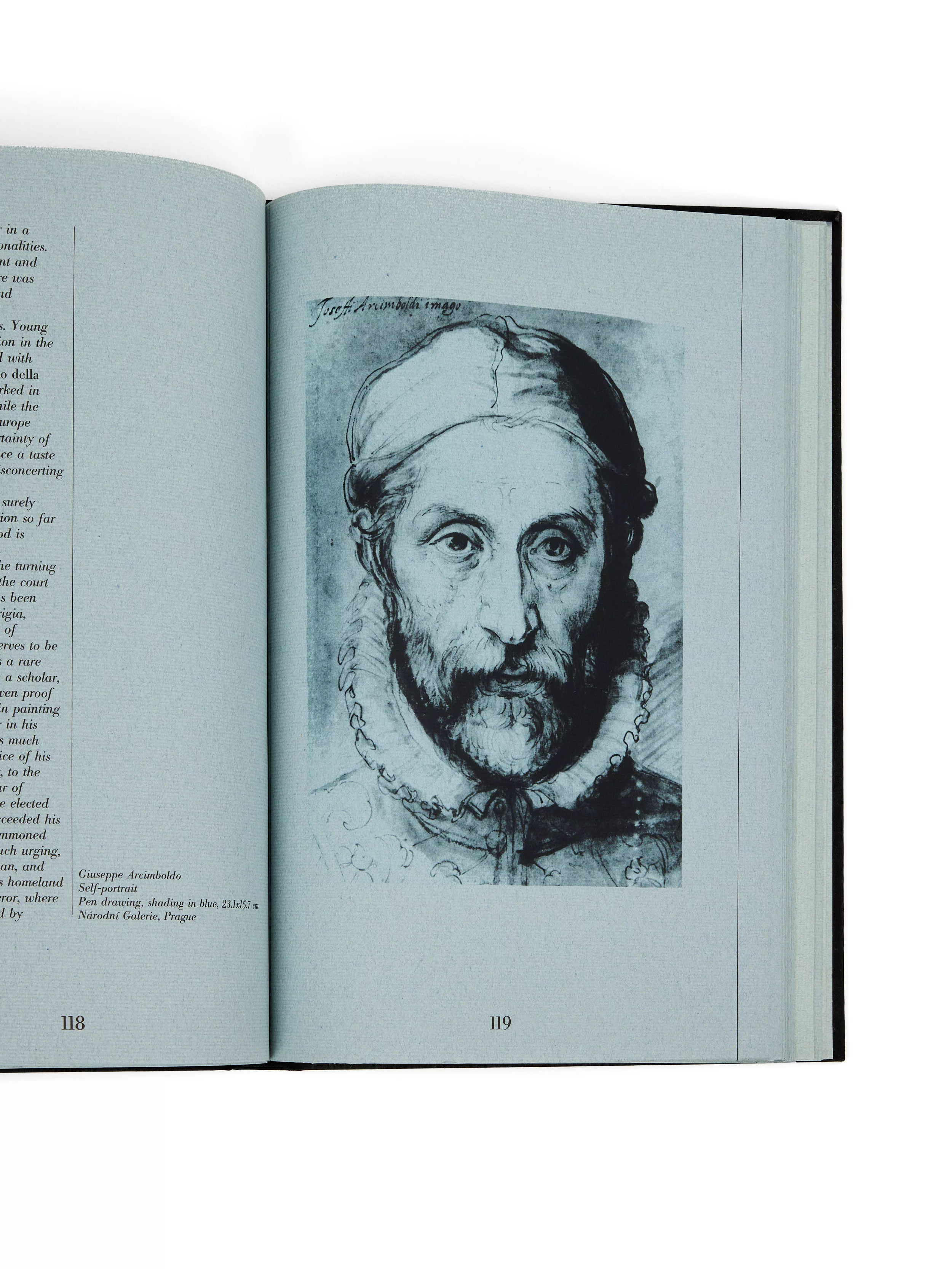
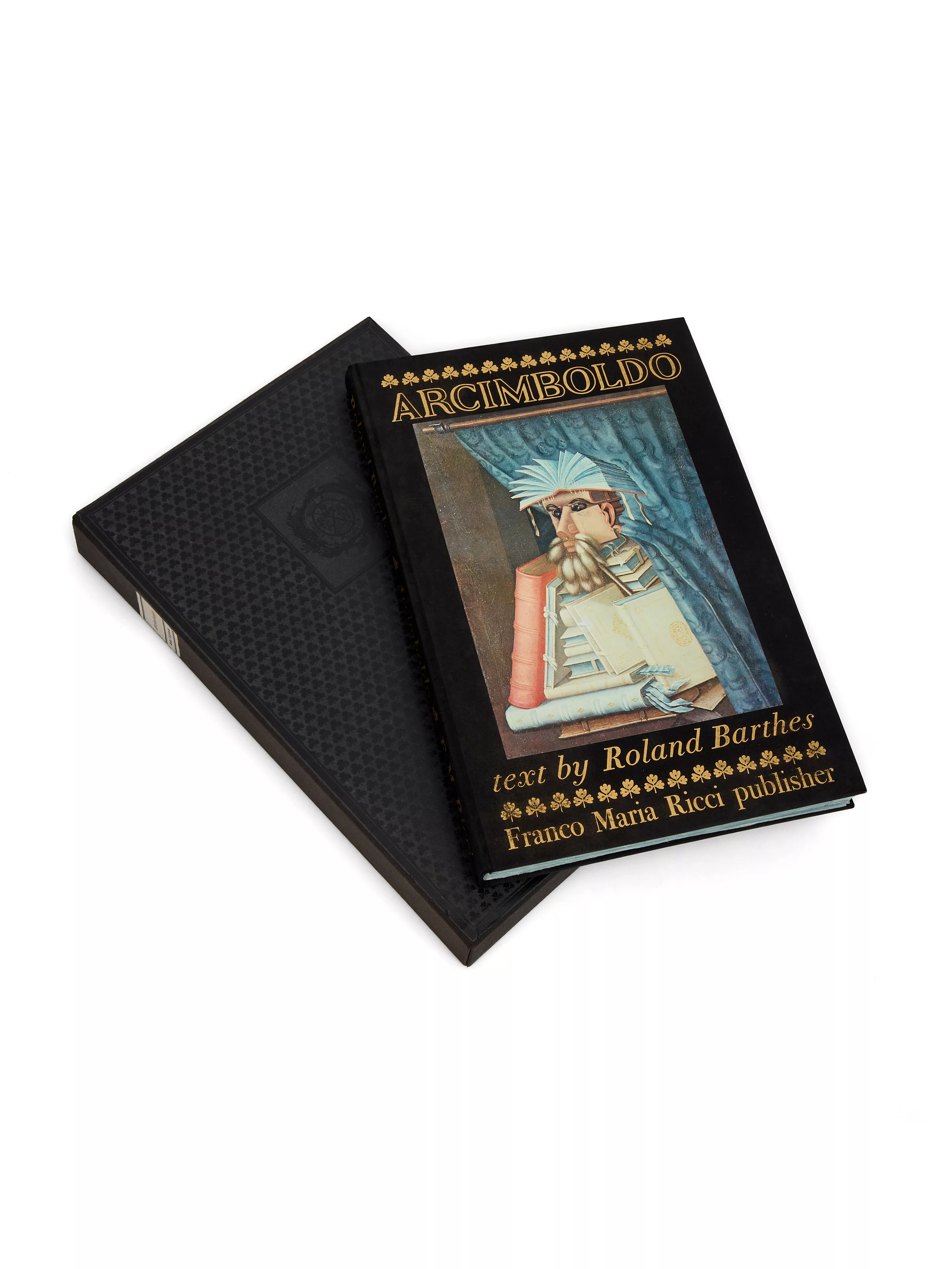
Roland Barthes, who three years earlier had provided a first collaboration with Franco Maria Ricci on Erté, brings remarkable insight to the work of Giuseppe Arcimboldo, the undisputed master of all painters working in the realm of the bizarre, famous for his “composite heads,” assemblages of plants, objects or animals.
Barthes reads the fantastical painting of the Italian painter Arcimboldo as a text with its own figures of speech, its own rhetoric: “A shell stands for an ear, that is a Metaphor. A mass of fish stands for the Water in which they live, that is a Metonymy. Fire becomes a flaming head, that is an Allegory. Everything signifies, and yet everything is surprising. Arcimboldo makes the fantastic out of the utterly familiar: the sum produces an effect different from the addition of the parts — it is as though it were their remainder. One must understand this strange mathematics: it is a mathematics of analogy. (…) If you look closely at the image, you see only fruits and vegetables; if you step back, you see nothing but a man with a terrible eye, a ribbed doublet, a bristling ruff (Summer): distance and proximity are what generate meaning.”