

Jean Barois
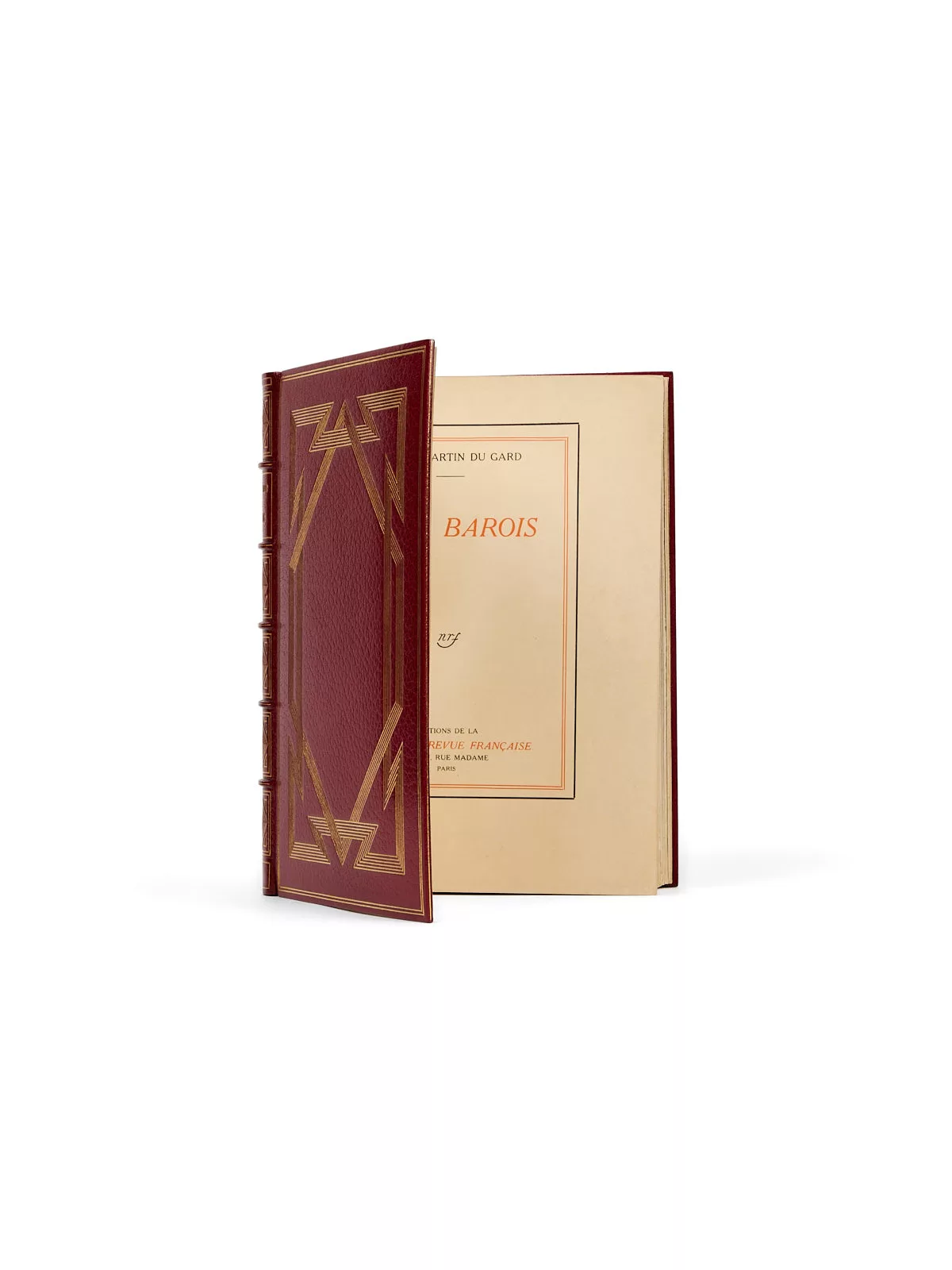
One of the first 30 réimposé copies on vergé d'Arches paper (no. 18) — the only deluxe-paper issue.
This copy is dated January 6, 1914 (two months after the ordinary edition, dated November 3, 1913).
Roger Martin du Gard wrote: “I wrote this book over three years, three years of contemplation and near solitude; nothing is more comforting to me than seeing my solitary thoughts and emotions find in my contemporaries the resonance you yourself point out to me,” adding: “Much as I remain detached from the articles that professional critics have mechanically produced about my book, I can be deeply moved by testimony such as yours, unmotivated by anything, which can only be the sincere impression of a sympathetic stranger (…). I have also been criticized for setting against the aging Barois a priest whose faith wavers; but it seems to me, on the contrary, that the figure of Abbé Levys is a very fine one, even for a Catholic; and I wanted Barois’s conversion to reinforce that shaken belief; I intended no irony whatsoever, I assure you. To have thought so is to have gravely misunderstood me.”
After a first novel, Devenir!, and a short story, L’Une de Nous, both published at the author’s own expense by Bernard Grasset, Roger Martin du Gard put the finishing touches to what would become Jean Barois. But the novel, whose eponymous hero champions free thought, was rejected by Grasset, who was shocked by its resolutely modern form as a novel in dialogue, which he described as a mere “dossier.” Martin du Gard then met Gaston Gallimard, an old school friend, and gave him the rejected manuscript. In November, the debutant author, invited to the NRF, watched as “a man slipped in like a tramp, wearing a battered hat, like an old, gaunt actor… with the face of a Mongol”: André Gide. Gide, who had fallen in love with the book from its very first pages, sent an enthusiastic letter to Gallimard: “[…] the man who wrote this may not be an artist, but he is a fine fellow! This must be published.” The “fine fellow” thus entered, for many years to come, the circle of the NRF, where he formed lasting friendships, chief among them Gide, Schlumberger and Copeau.
One of the rare and important titles from the fledgling Éditions de la Nouvelle Revue Française.
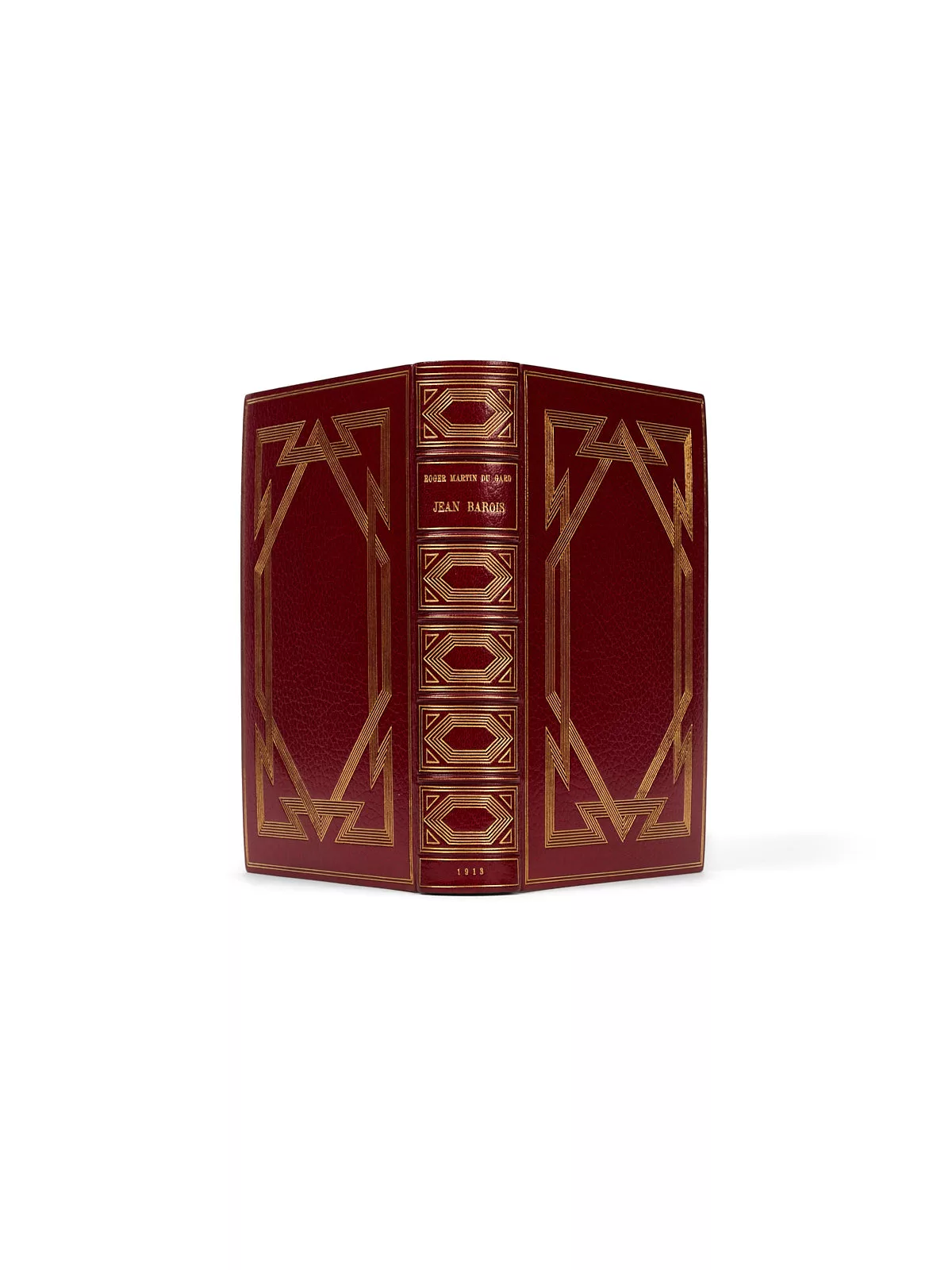
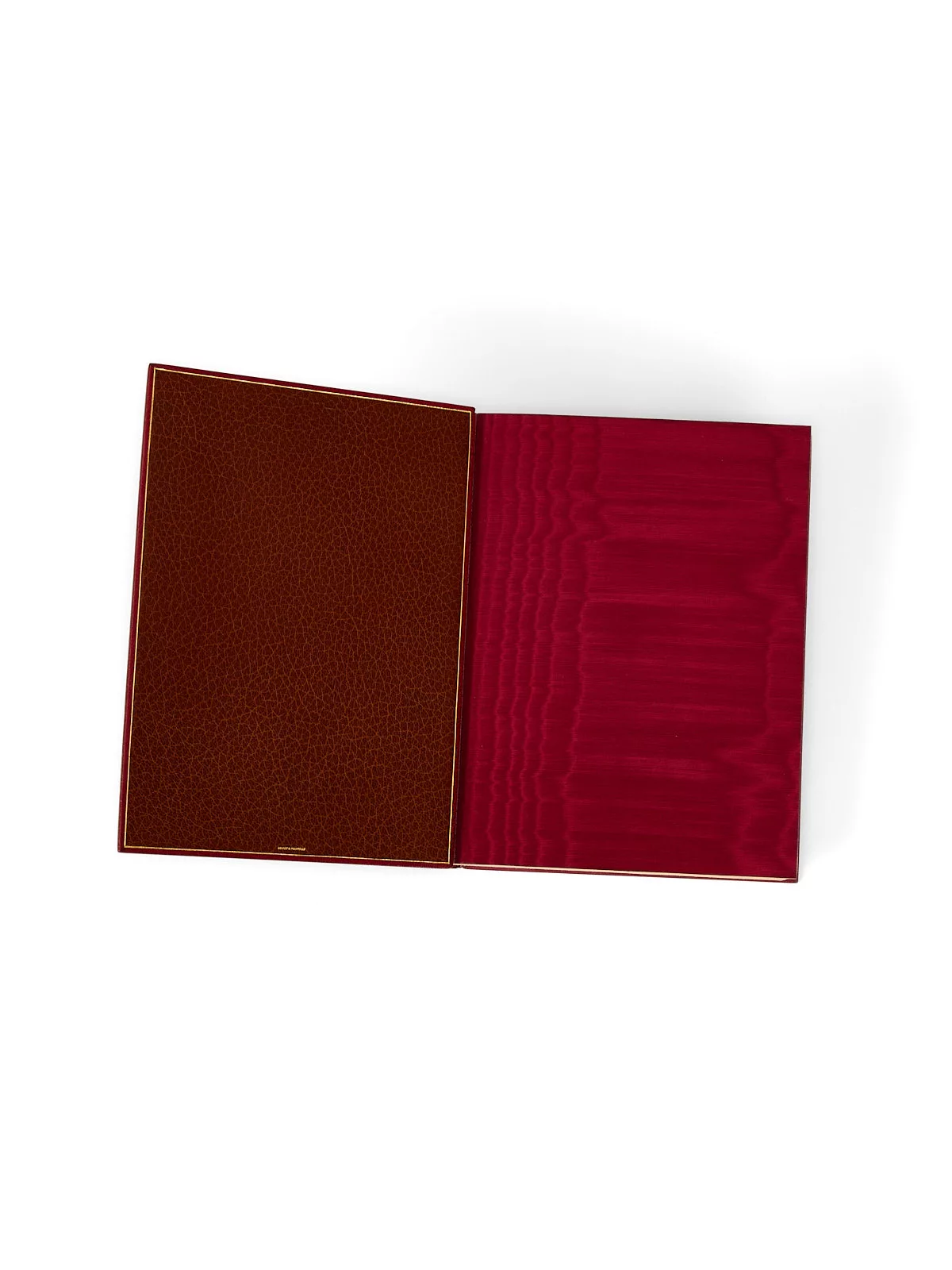
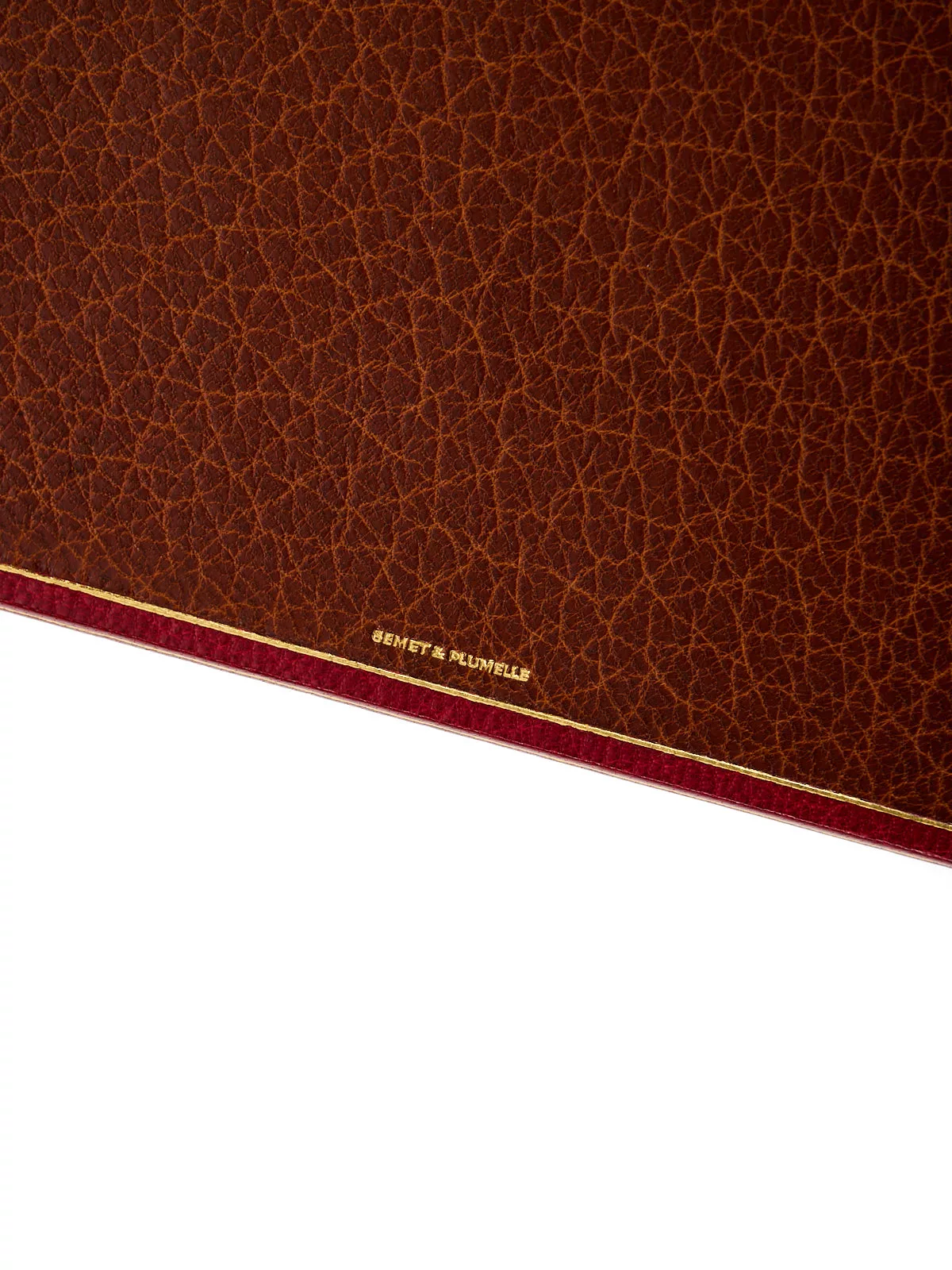
A very fine copy, beautifully bound by Semet et Plumelle. The same binders bound another réimposé copy (no. 27), with a similar decoration.