

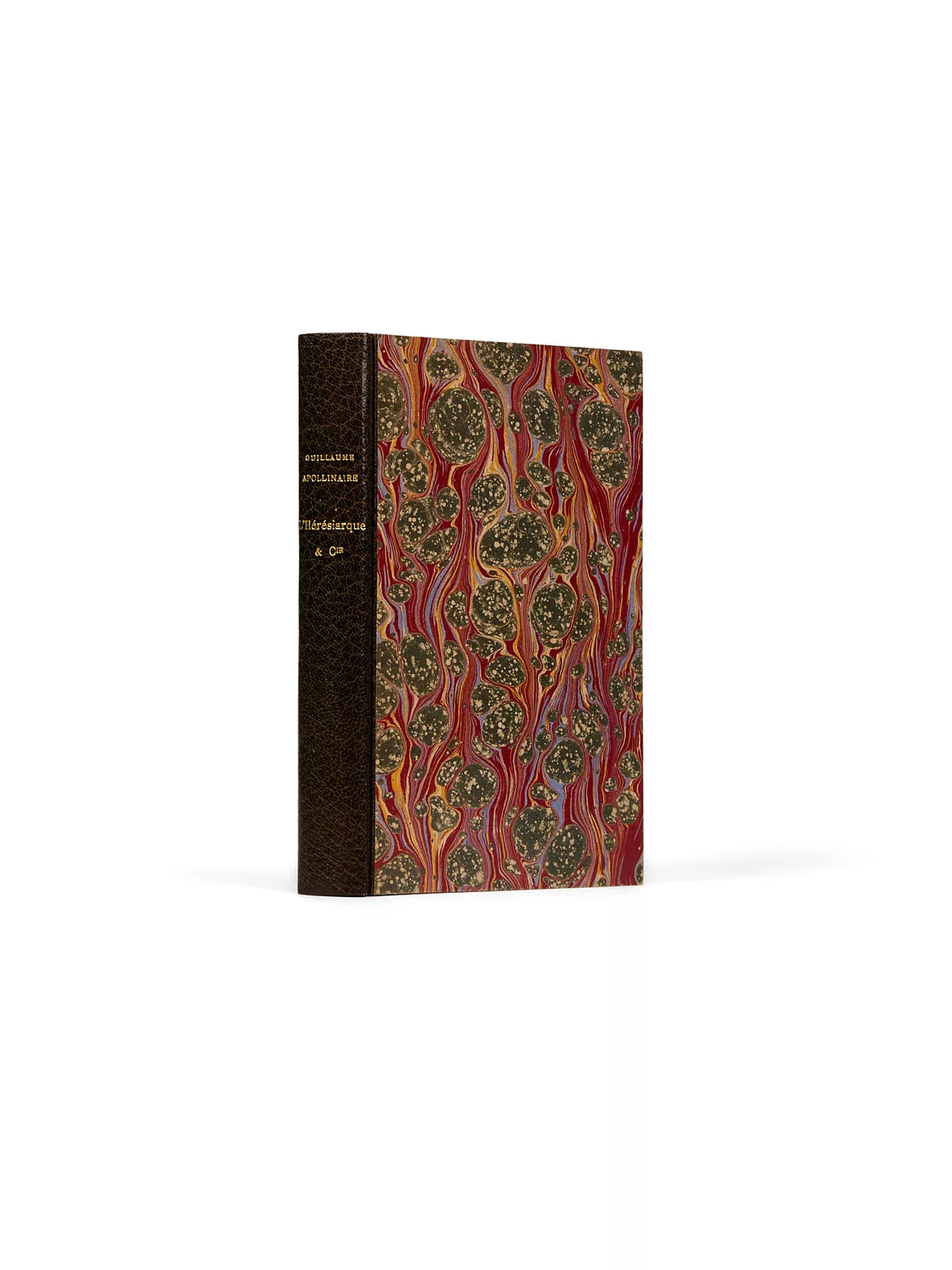
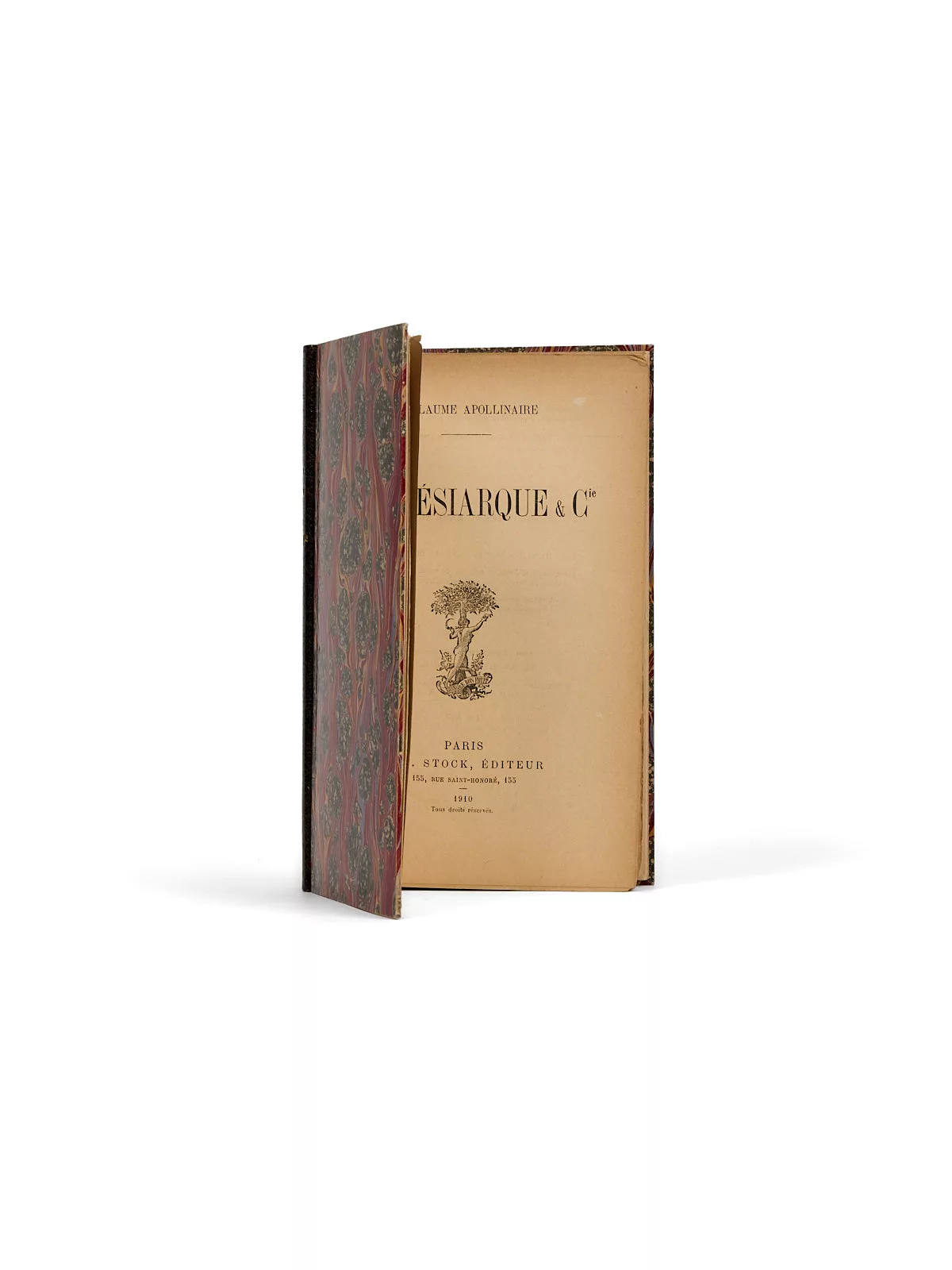
L’Hérésiarque et Cie
“I have the weakness to believe myself a great talent as a storyteller,” Apollinaire admitted. André Billy shared this judgment, praising these tales as “the model of a marvelous invention and a style whose transparency and fluidity discourage analysis.” The book was for a time considered for the Prix Goncourt and even led the first round of voting with three votes, ahead of Colette’s La Vagabonde with two, and Pergaud with one. In the end, however, the prize went to Louis Pergaud for his Goupil à Margot. After the vote, Élémir Bourges remarked: “But, my dear fellow, it is always so. We deliberately vote, in the first round, for those who have the least chance. — And then? — Then we give them a little publicity… It is a form of compensation.” (in Deffoux, Chronique de l’Académie Goncourt, Paris, 1929).
Perhaps, too, the frenzied processions of alchemist heroes, criminals awaiting beatification, lustful drunkards and sanctified murderers — among the most extraordinary figures in fantastic literature — frightened the Goncourt jurors.
A fine copy, attractively bound.