

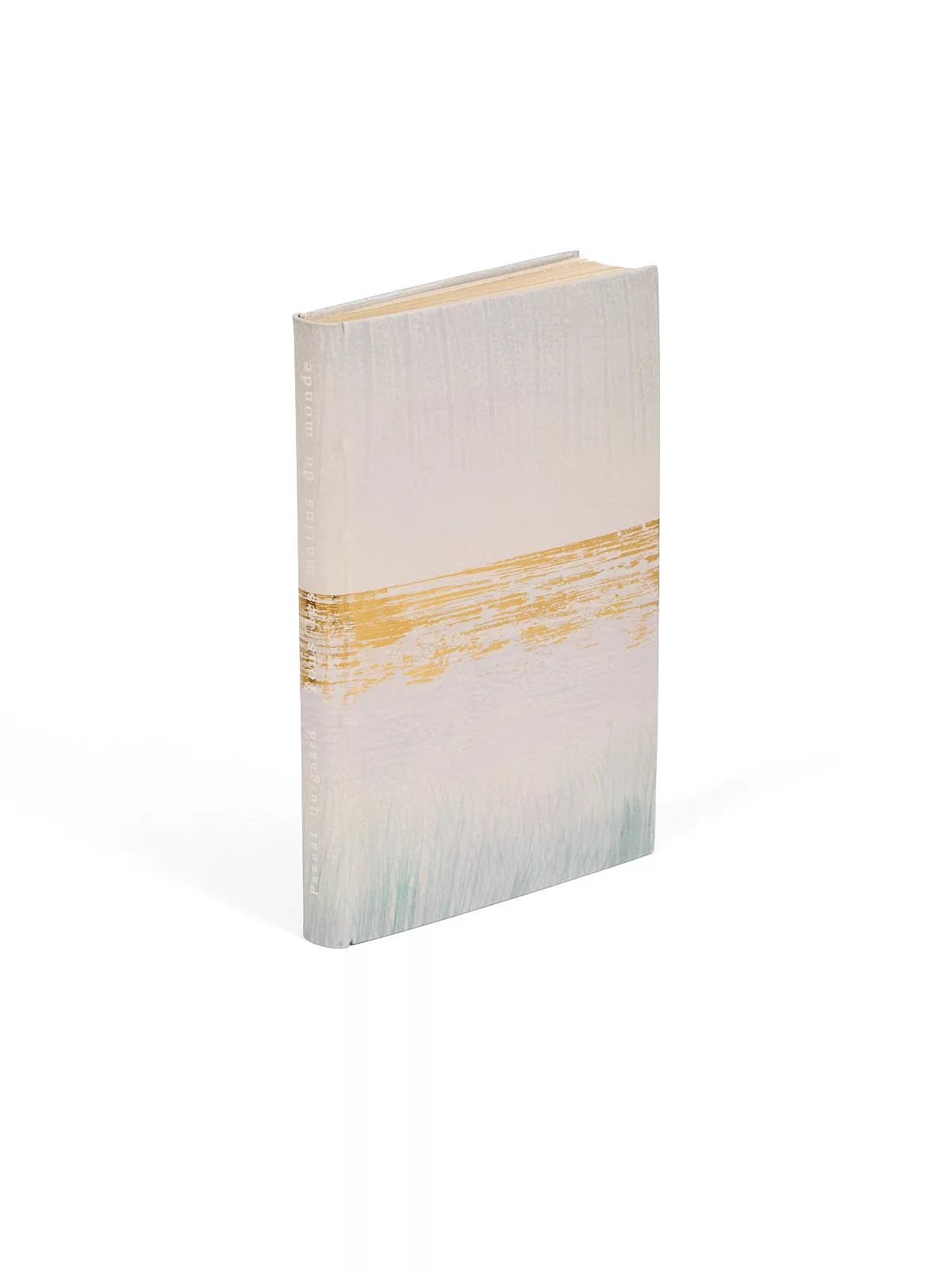
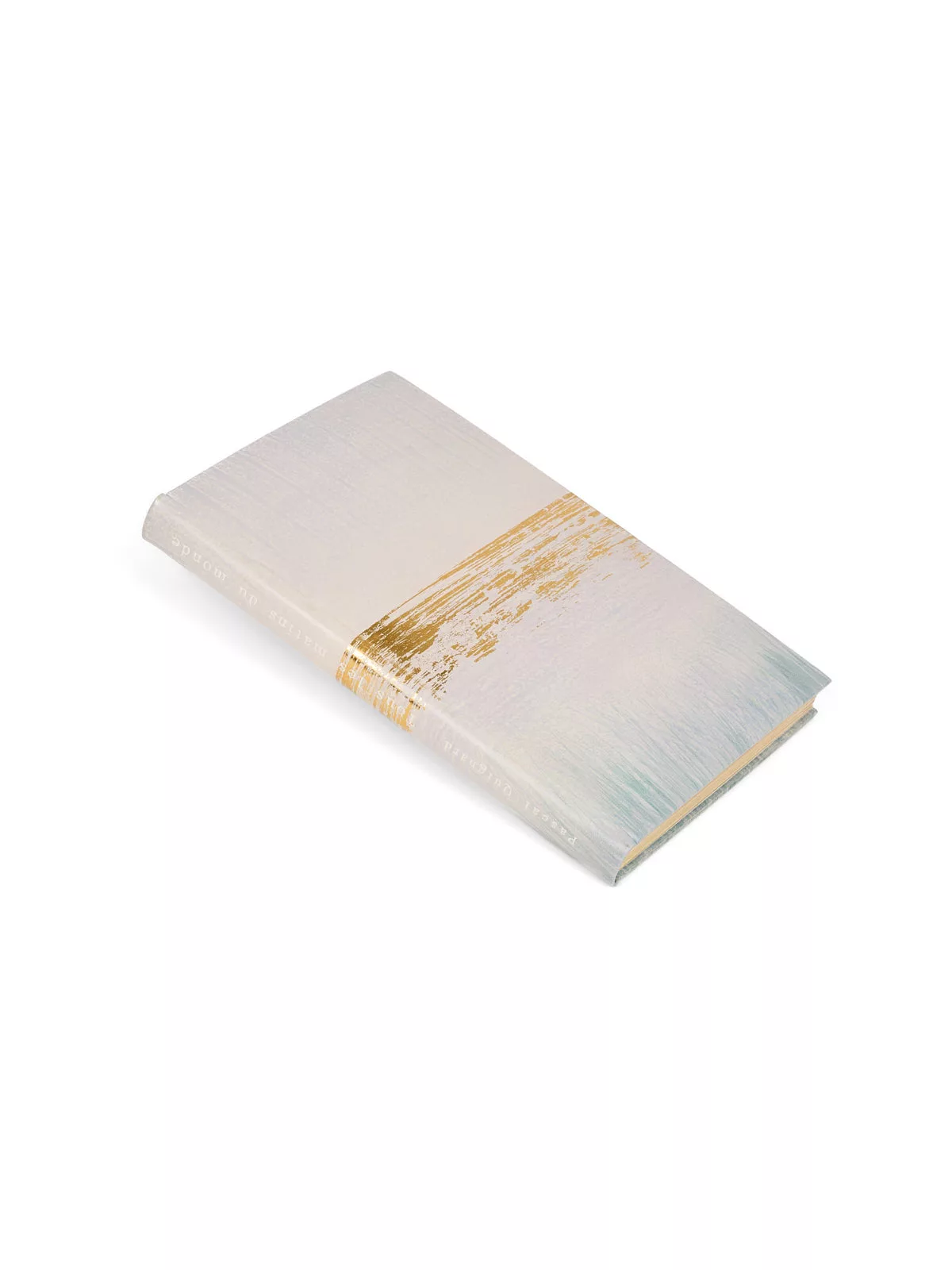
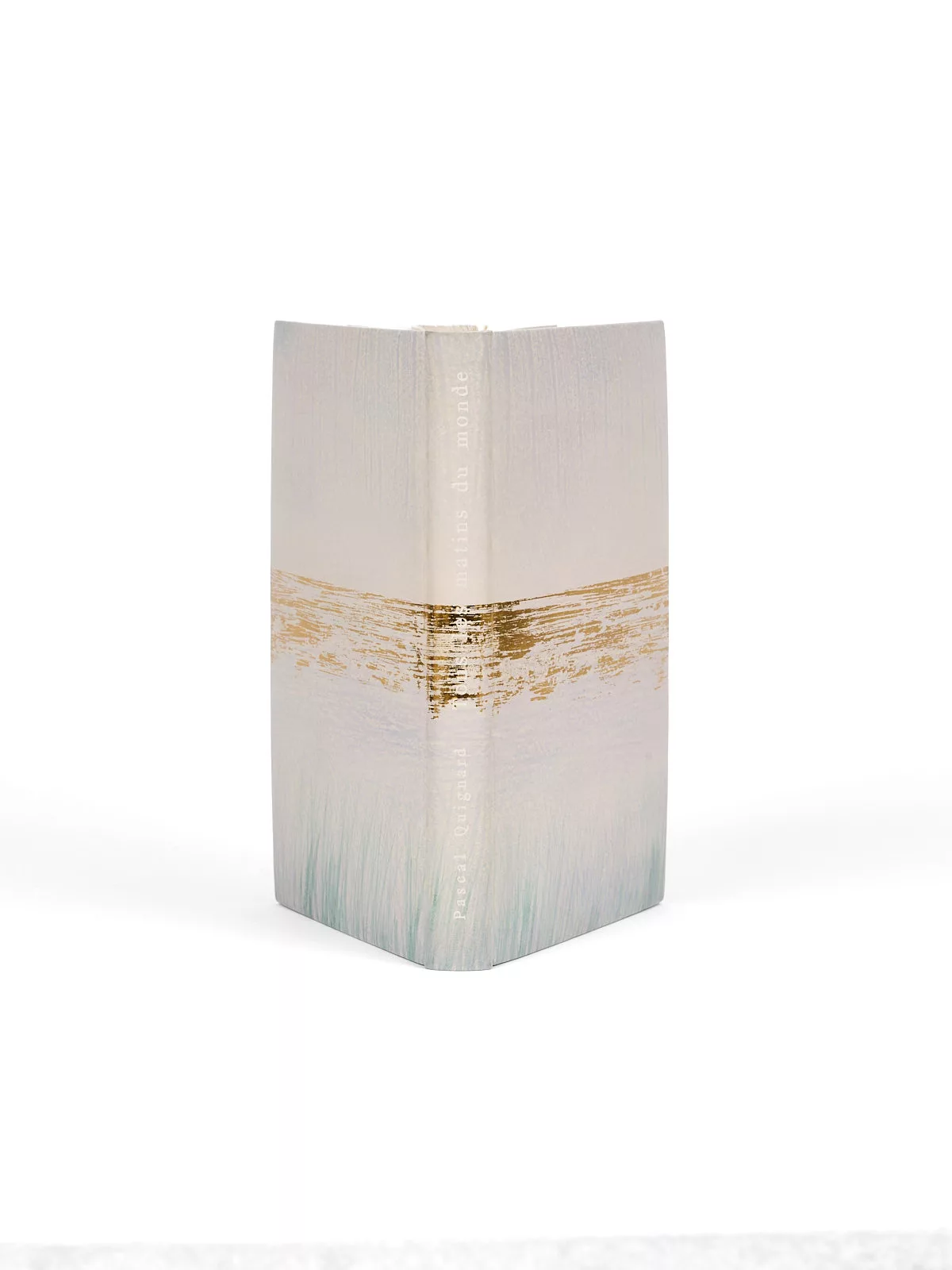
Tous les matins du monde
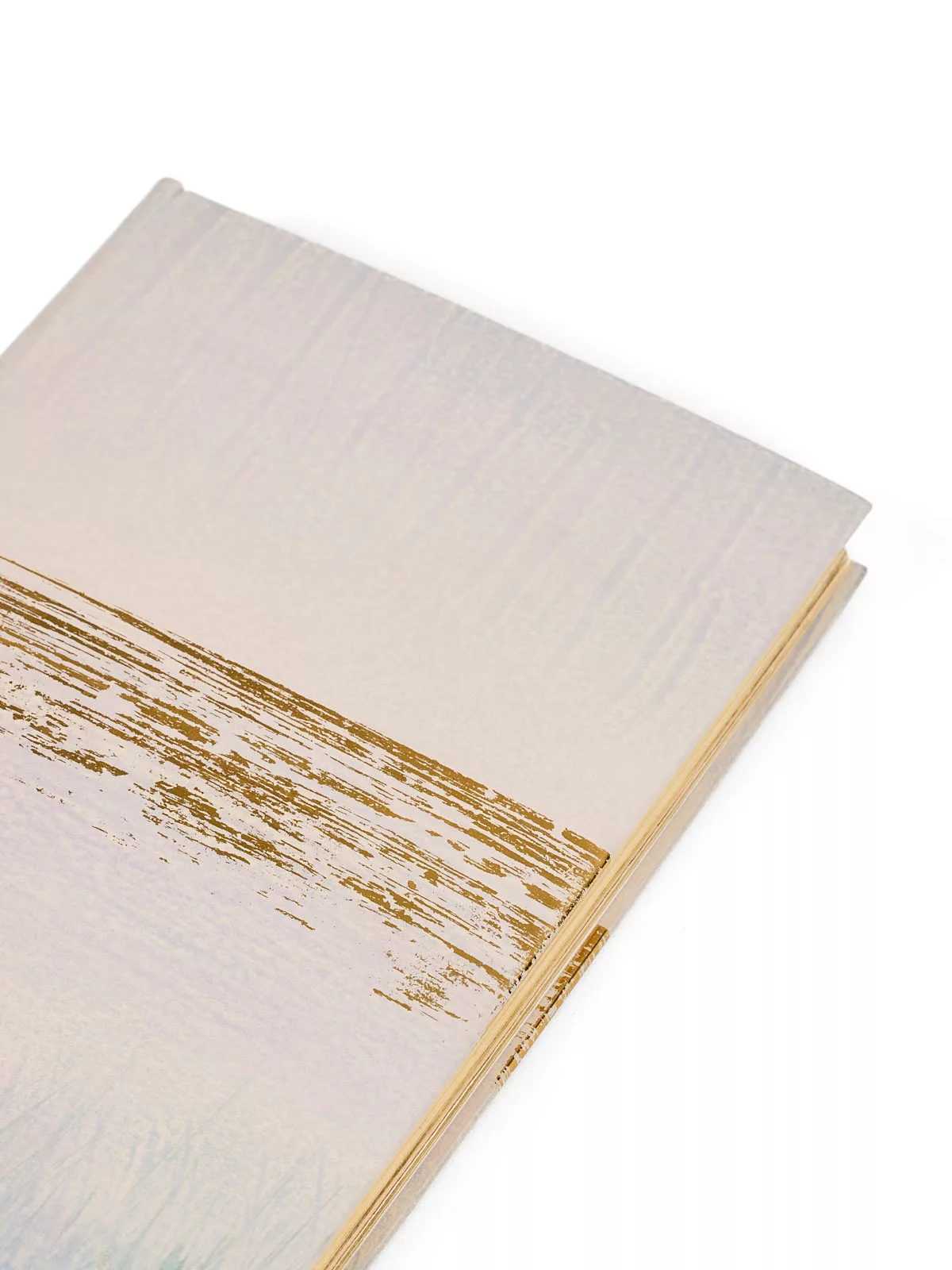
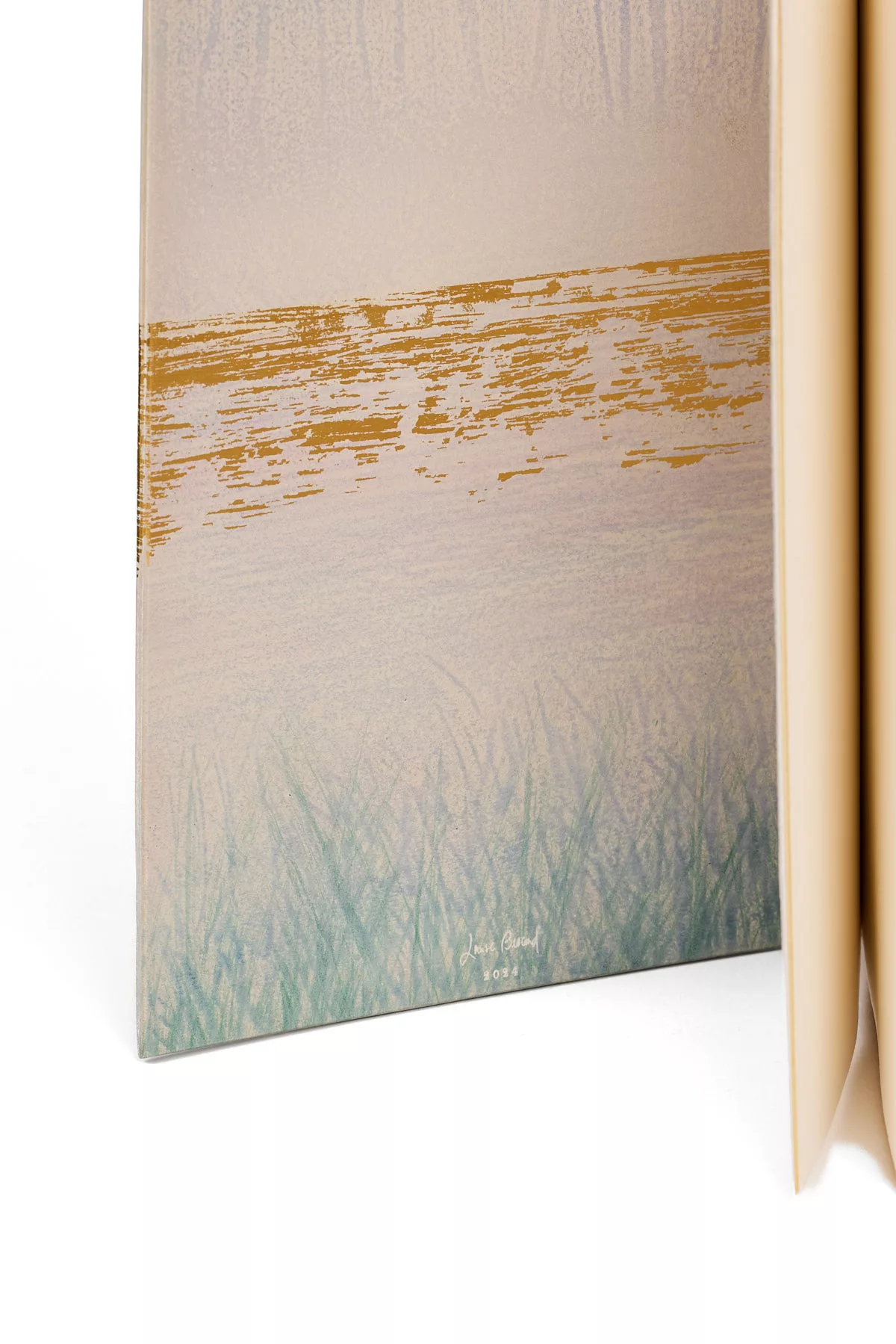
One of 50 copies on vergé de Hollande (no. 21), the only paper issue.
When Alain Corneau explained his project for a film in which music would play a central role, Pascal Quignard suggested writing him a book rather than a screenplay. The director expected a long wait for the promised novel, but a few months later Quignard brought him Tous les matins du monde. His discovery of the destiny of Marin Marais had opened up a vein of reminiscence and reflection. The result was a book born of the desire to recapture the intonation of vanished, fascinating voices, and a film carried by a director wishing to fuse his two passions, music and cinema, into a single work. Corneau respected Quignard’s choices well beyond the text itself, keeping the narrative and dialogue of the film almost unchanged. Yet from the script Quignard drew a stripped-down text: “If style consists in marking one’s manner, as certain painters, musicians or writers do, so as to be recognized, distinguished, appreciated, I am absolutely not fond of style. But if style is, in the Roman sense, the stylus — that which allows one to cut into the wax tablet, to erase, to break off, to remove, to break — then yes, that truly is my way of approaching writing. What I prefer is not the writing itself but the rereading. It is cutting, abolishing, tearing, shattering. The English call it cut up. Every link, every conjunction of coordination or consequence, every length must fall. There is a mad pleasure in demolishing partitions, even the reflections of symmetry.” (Magazine littéraire, November 2012).
Quignard did not merely feel fascinated by Sainte Colombe and share his destiny and his music with the public: in the three years following the publication of the book and the release of the film, he withdrew from all his official functions. He “left the press and literary juries” in 1992, “resigned the presidency of the Concert des Nations” in 1993, and “dissolved the Versailles baroque opera festival and resigned from Éditions Gallimard” in 1994. “Since April 1994, I do nothing but read and write.” He had taken up Sainte Colombe’s own exacting standard, withdrawing from the world, for “secrecy, distance, being apart from oneself is the condition for being able to think” (Magazine littéraire, November 2012).
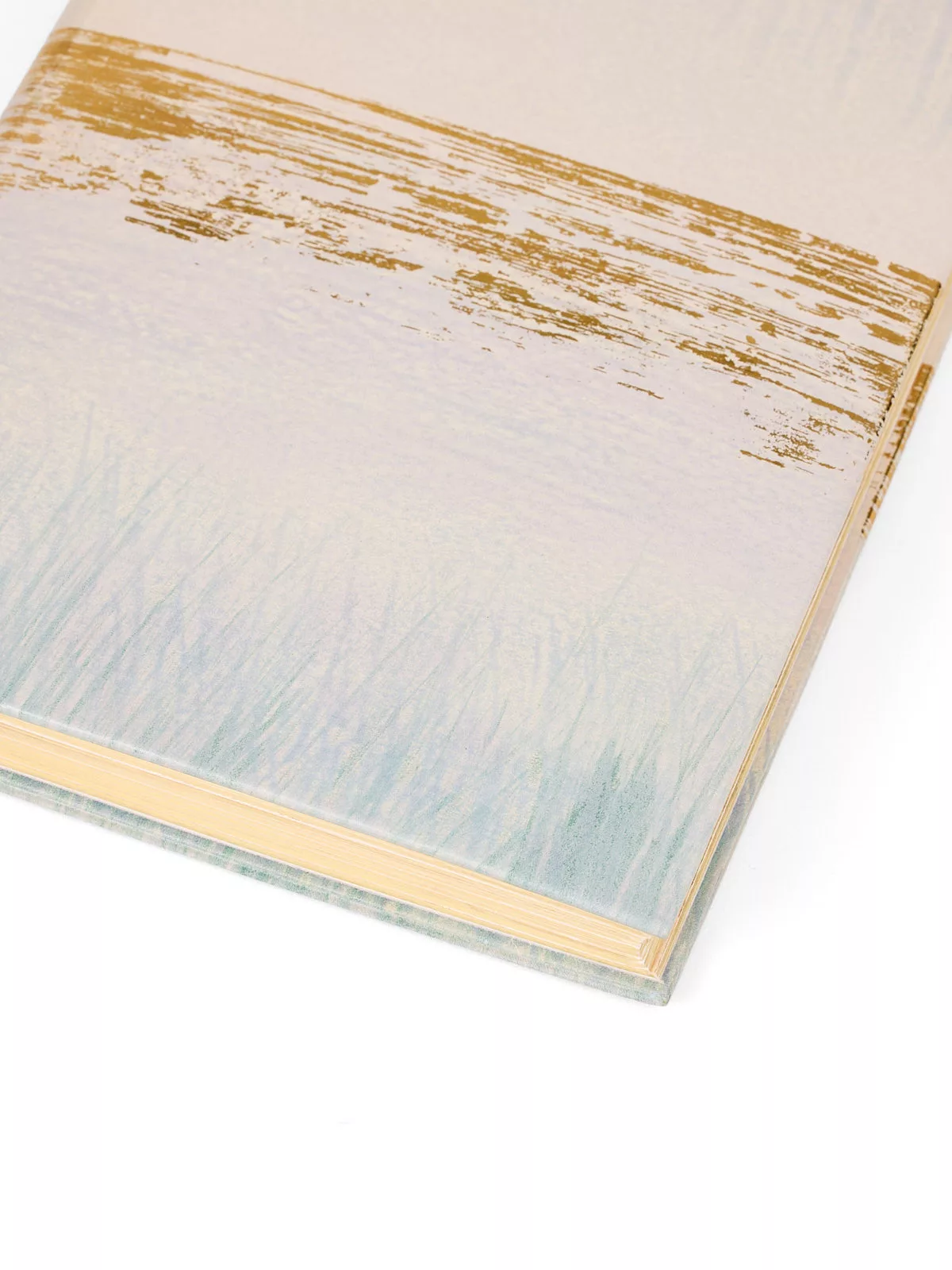
A very fine copy, interpreted by Louise Bescond.