

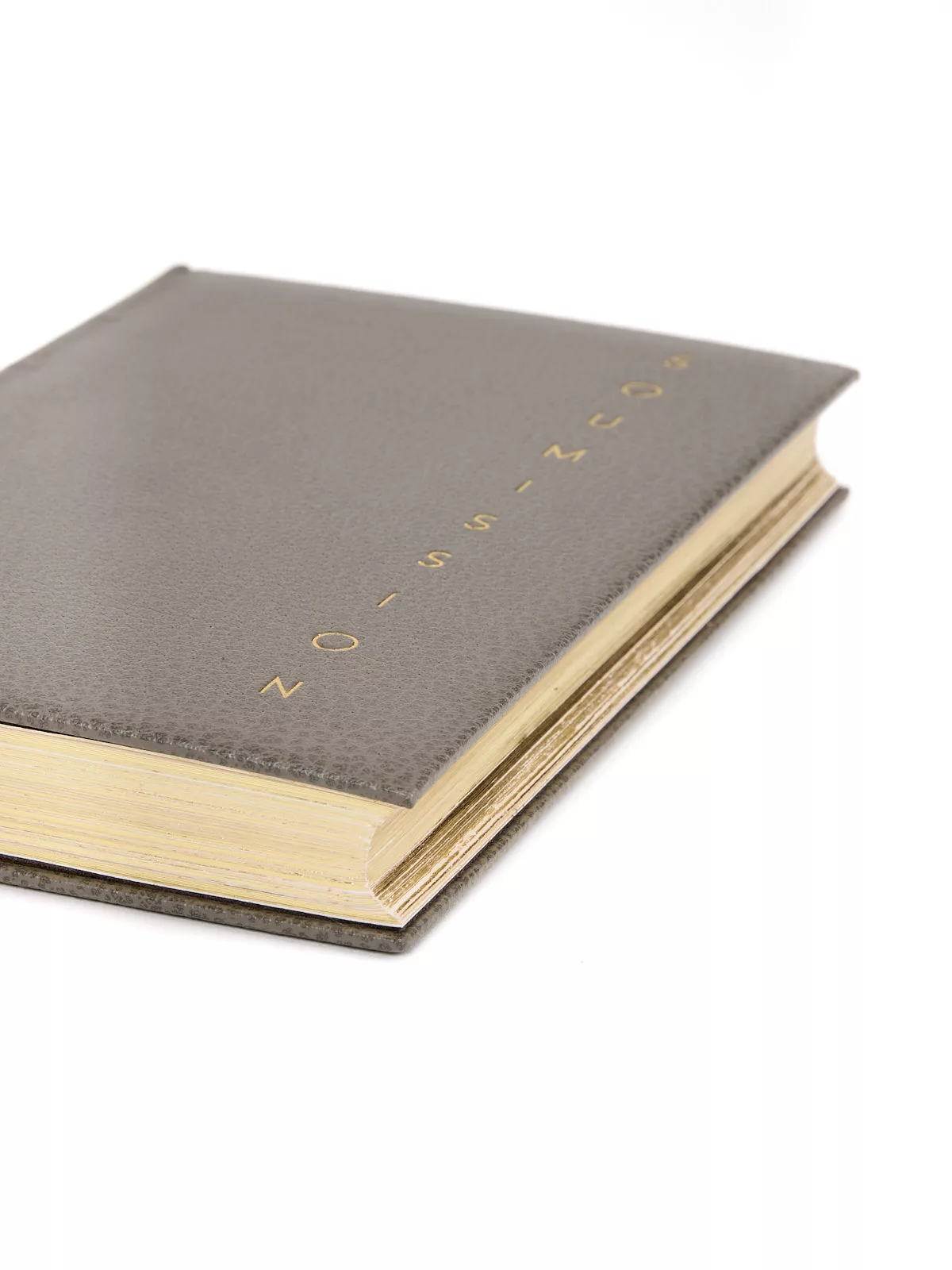
Soumission
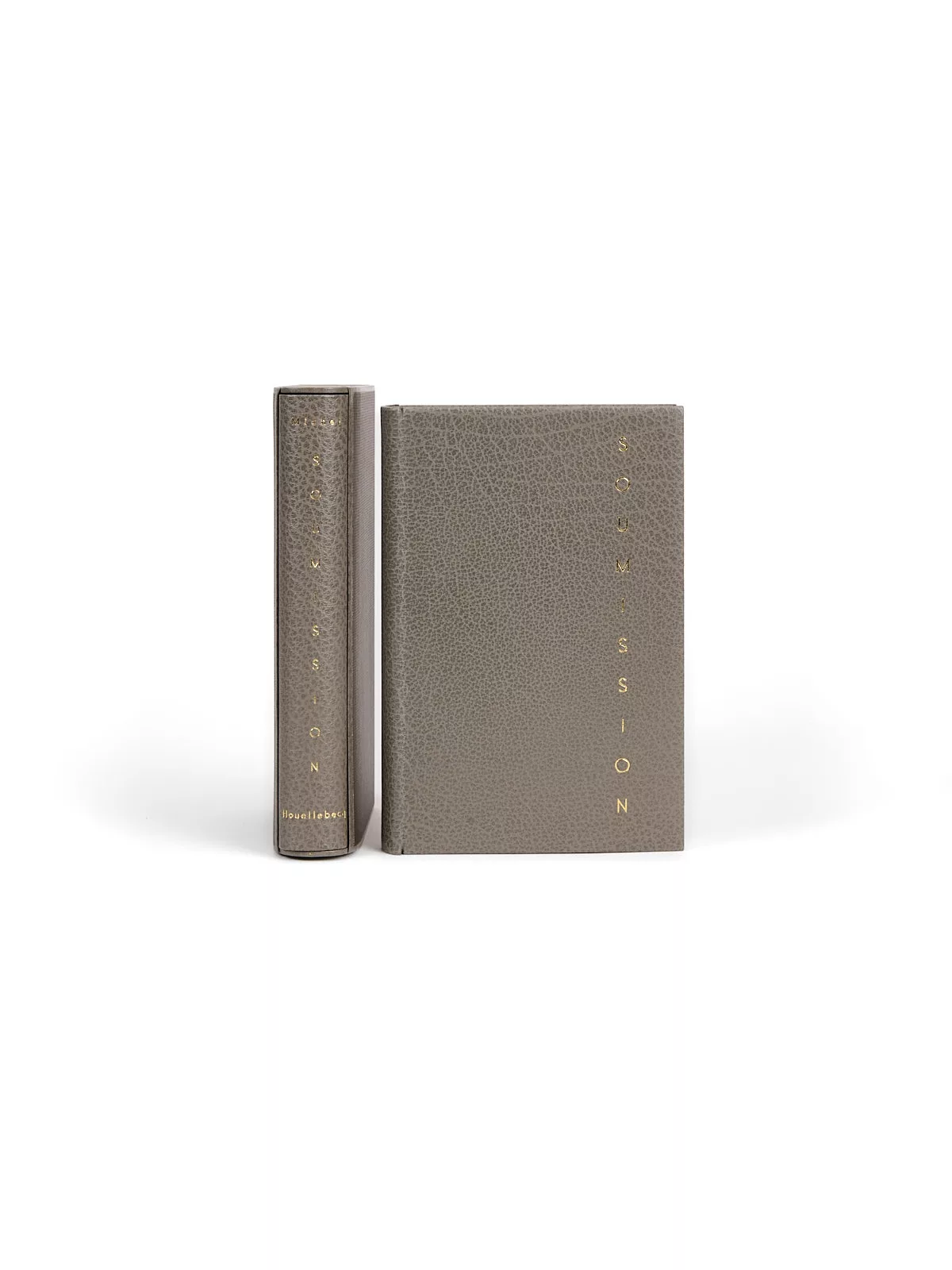
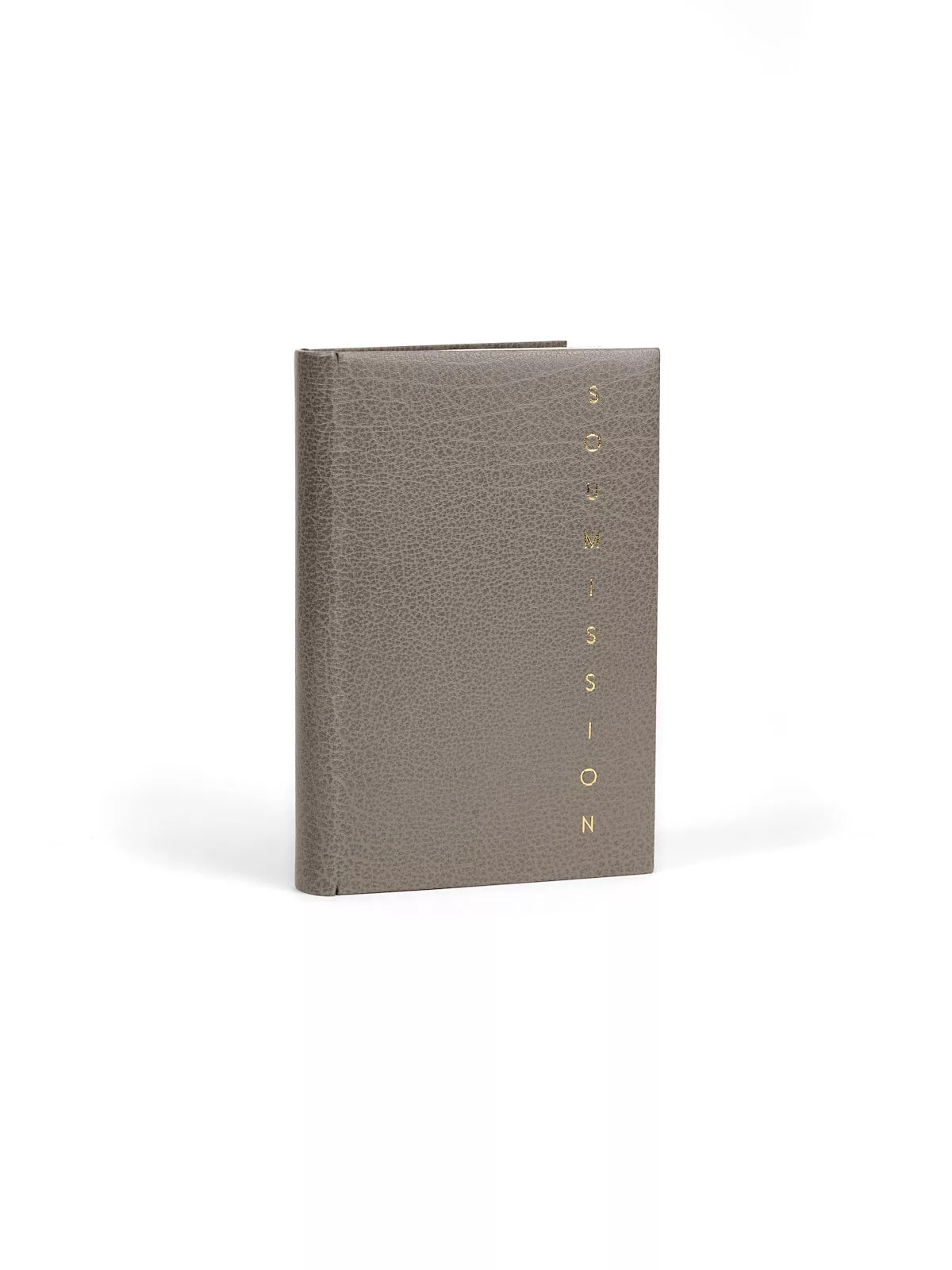
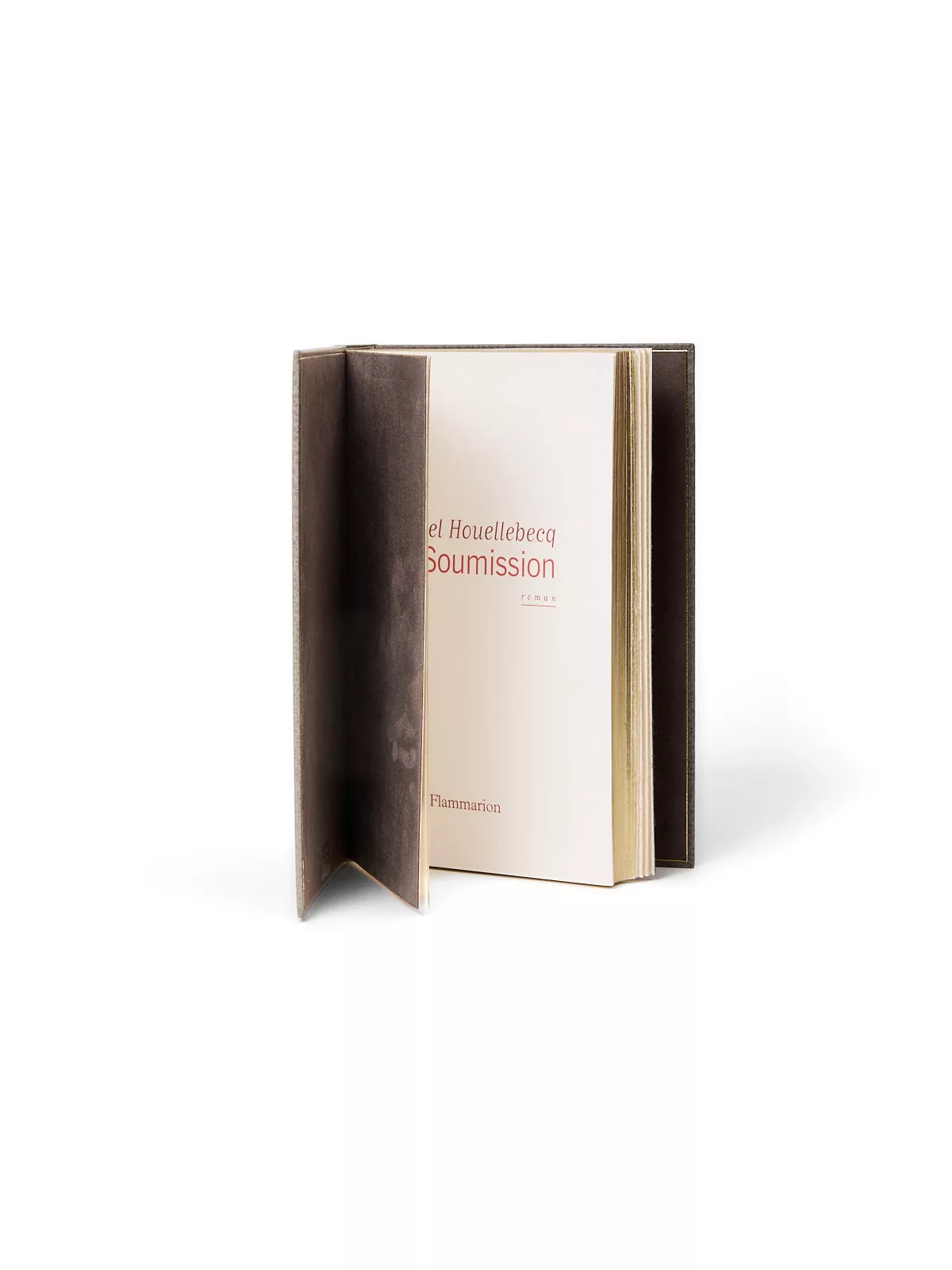
One of the first 120 copies on vélin Rivoli paper (no. 119).
“I like to be read in order […]. What best explains a book is what was written before it.” (Houellebecq, television interview, August 2015).
For those who follow this advice, one should read in particular Plateforme, Michel Houellebecq’s previous novel, in which he had already treated the theme of Islam. Even before the release of the first edition of Soumission on 7 January 2015, the novel had sparked a major controversy. The terrorist attacks on Charlie Hebdo and the kosher supermarket on the very day of its publication naturally did nothing to calm matters. Since then, Houellebecq has repeatedly tried to explain that any interpretation or rereading of these events linking them to the book made no sense.
Since translated, here are the best passages, which illuminate the lines of this sixth Houellebecq novel better than any preface:
“Why this book? I noticed great changes on my return to France [Houellebecq had just spent twelve years in Ireland], changes that are not specifically French, moreover, but Western in general. […] I think the second reason is that my atheism did not really survive the succession of deaths I experienced [his parents, his dog]. It became unbearable, in fact […]. And the third reason I wrote this book is that I liked the beginning. I wrote almost the whole opening in one go, up to page 26. And I found it very convincing, because I can easily imagine a student choosing Huysmans as a friend and devoting his life to him. That didn’t happen to me: I read Huysmans much later, around the age of thirty-five, I think, but I would have liked it: my room wasn’t great, the university cafeteria wasn’t great either, and I can well imagine what he could have made of all that. I think he could have been a real friend to me. So, after writing that, I did nothing for a while. That was in January 2013, and I had to take up the text again in the summer of 2013. But my original project was very different. It wasn’t going to be called Soumission; the first title was La Conversion. And in my first version, the narrator also converted, but to Catholicism. That is, he followed the same path as Huysmans, a century apart: starting from naturalism to become Catholic. And I didn’t manage to do that […]. Generally speaking, there is a feeling of entropy even stronger than in my other books. A kind of dreary twilight quality that gives this book a rather sad tone. For example, if Catholicism doesn’t work, it’s because it has already been used; it seems to belong to the past, it has come undone. Islam has an image still to come. Why doesn’t the Nation work? Because it has been overused.” (Interview with Sylvain Bourmeau, 19 December 2014, published in The Paris Review).
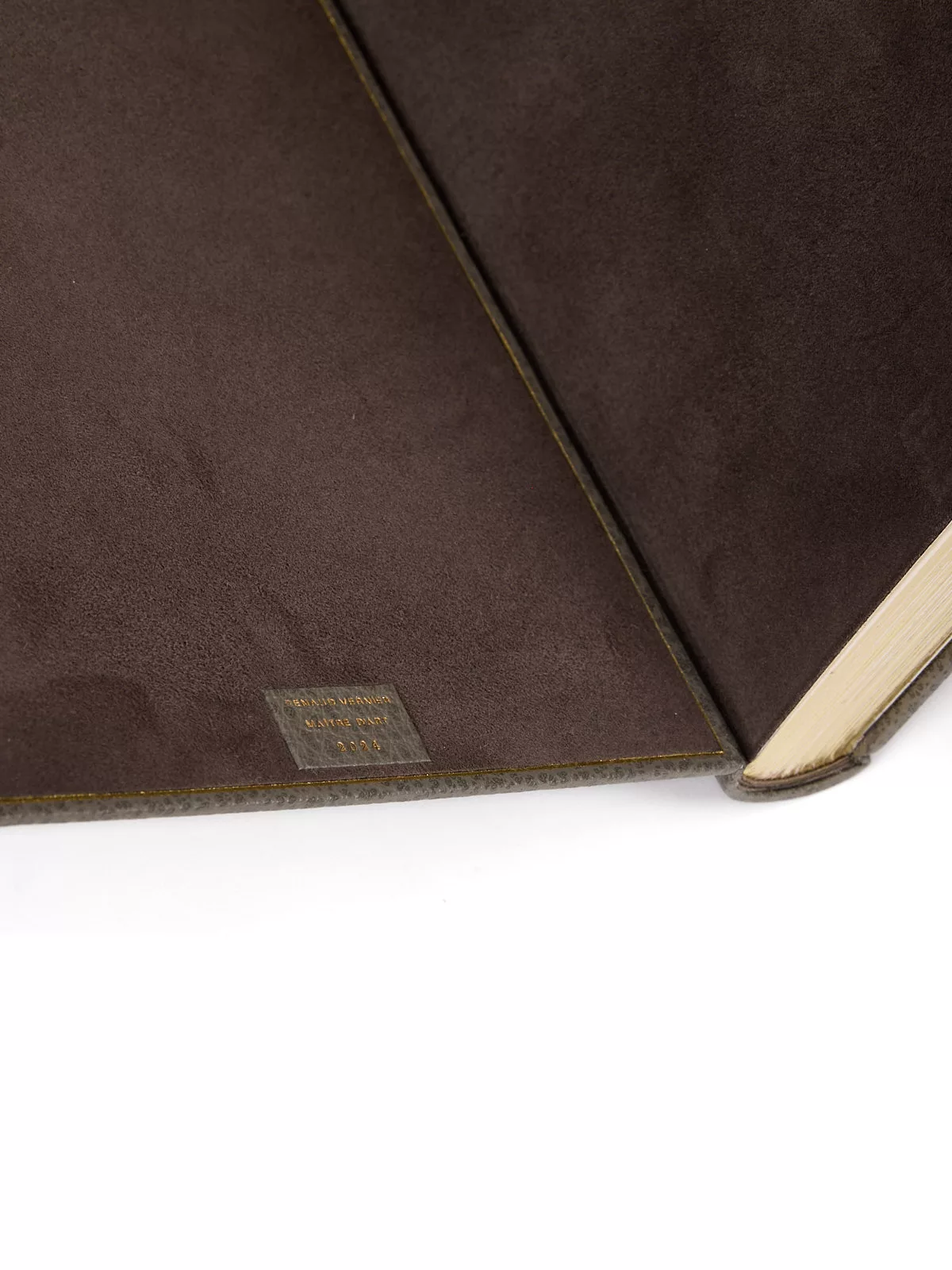
A perfect copy, in a no less perfect binding by Renaud Vernier.