

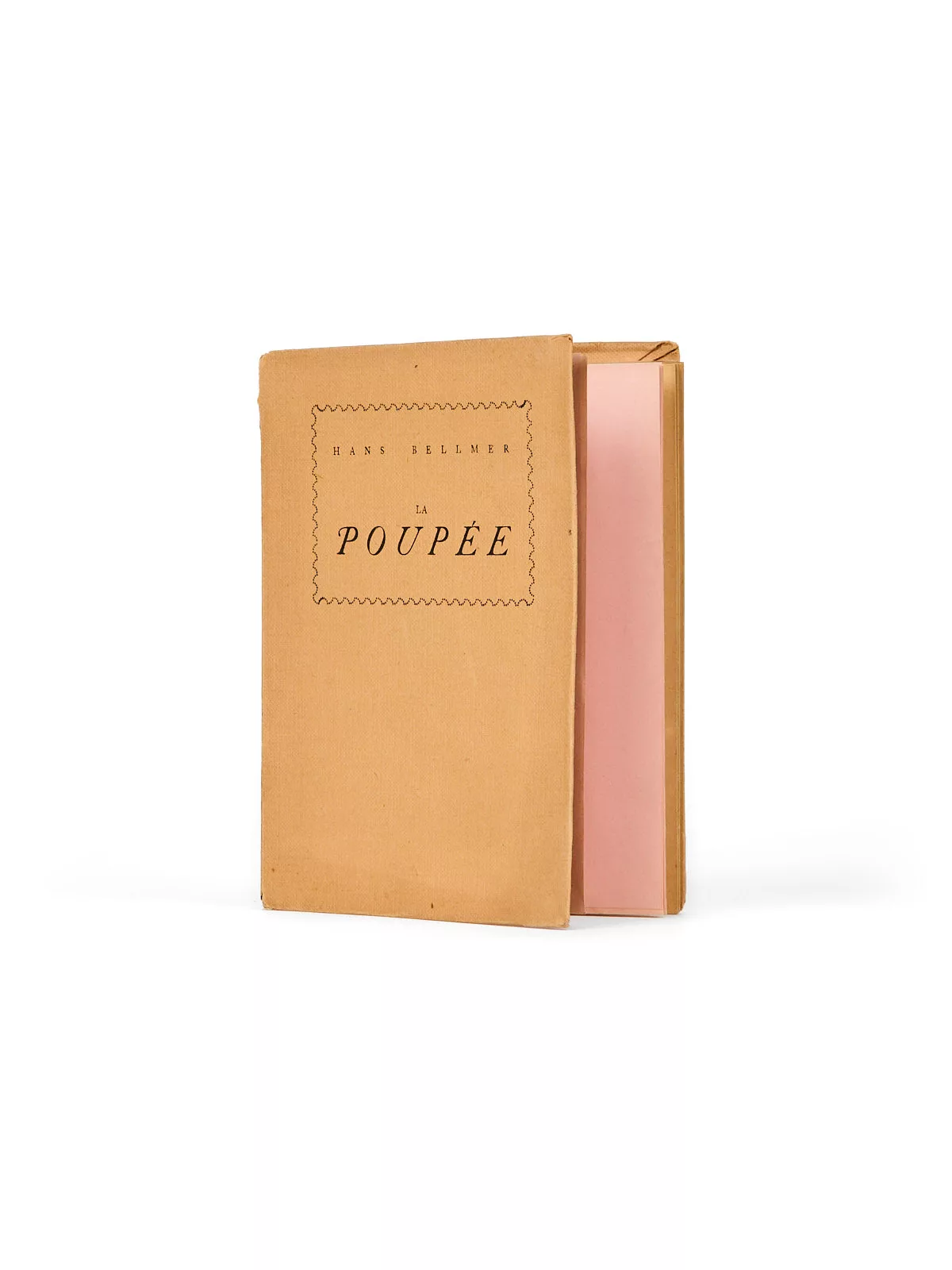


La Poupée
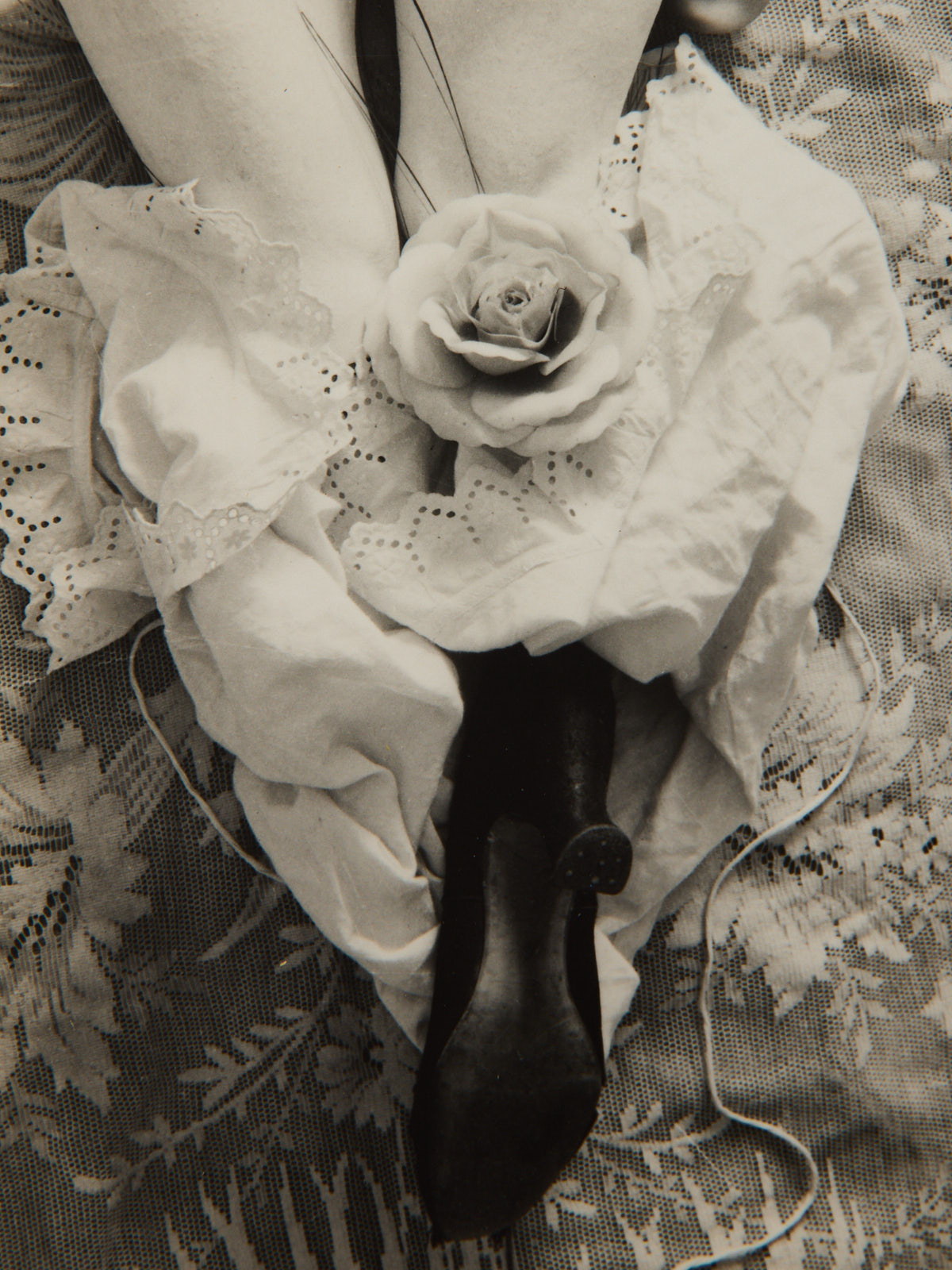
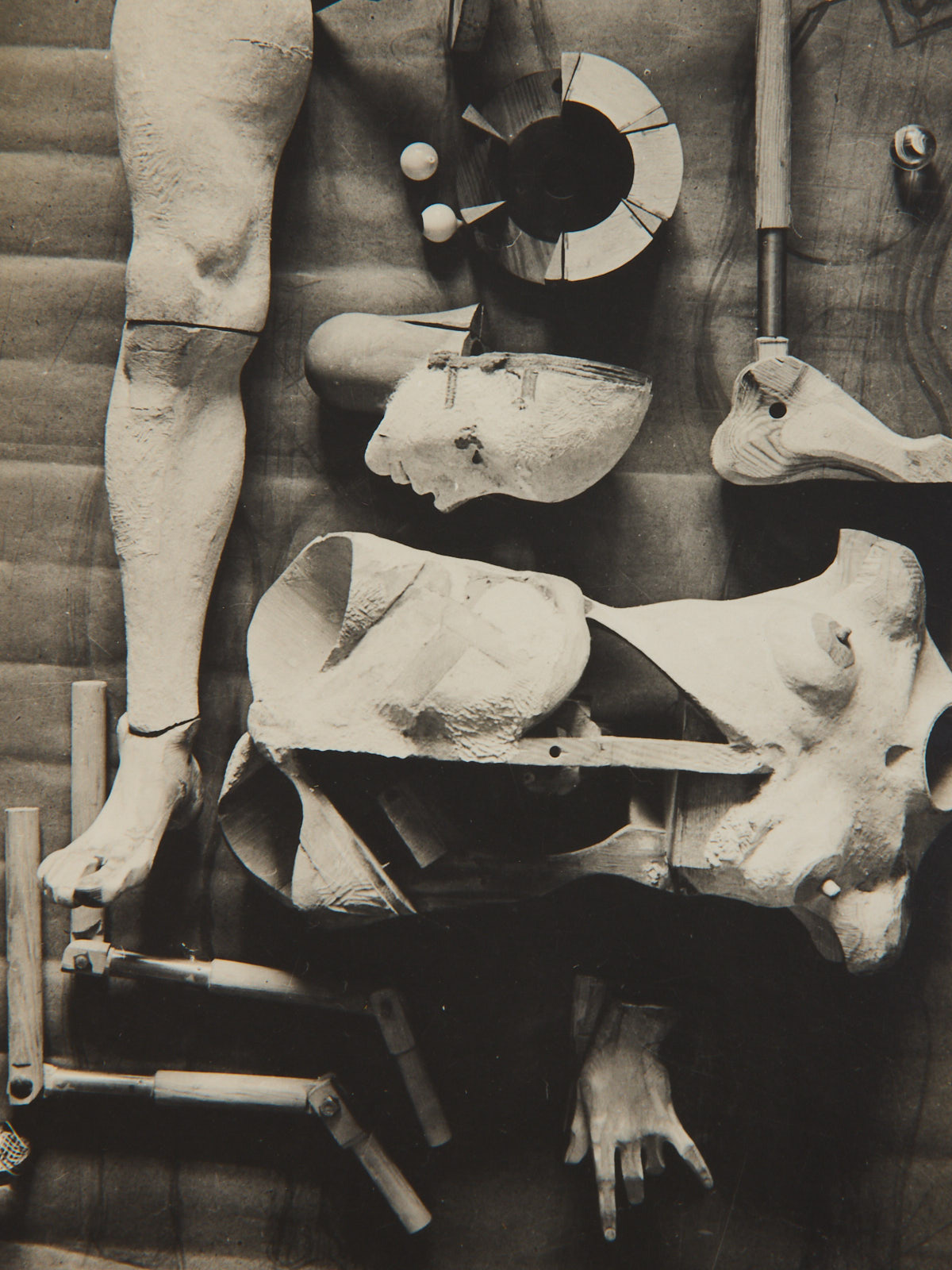
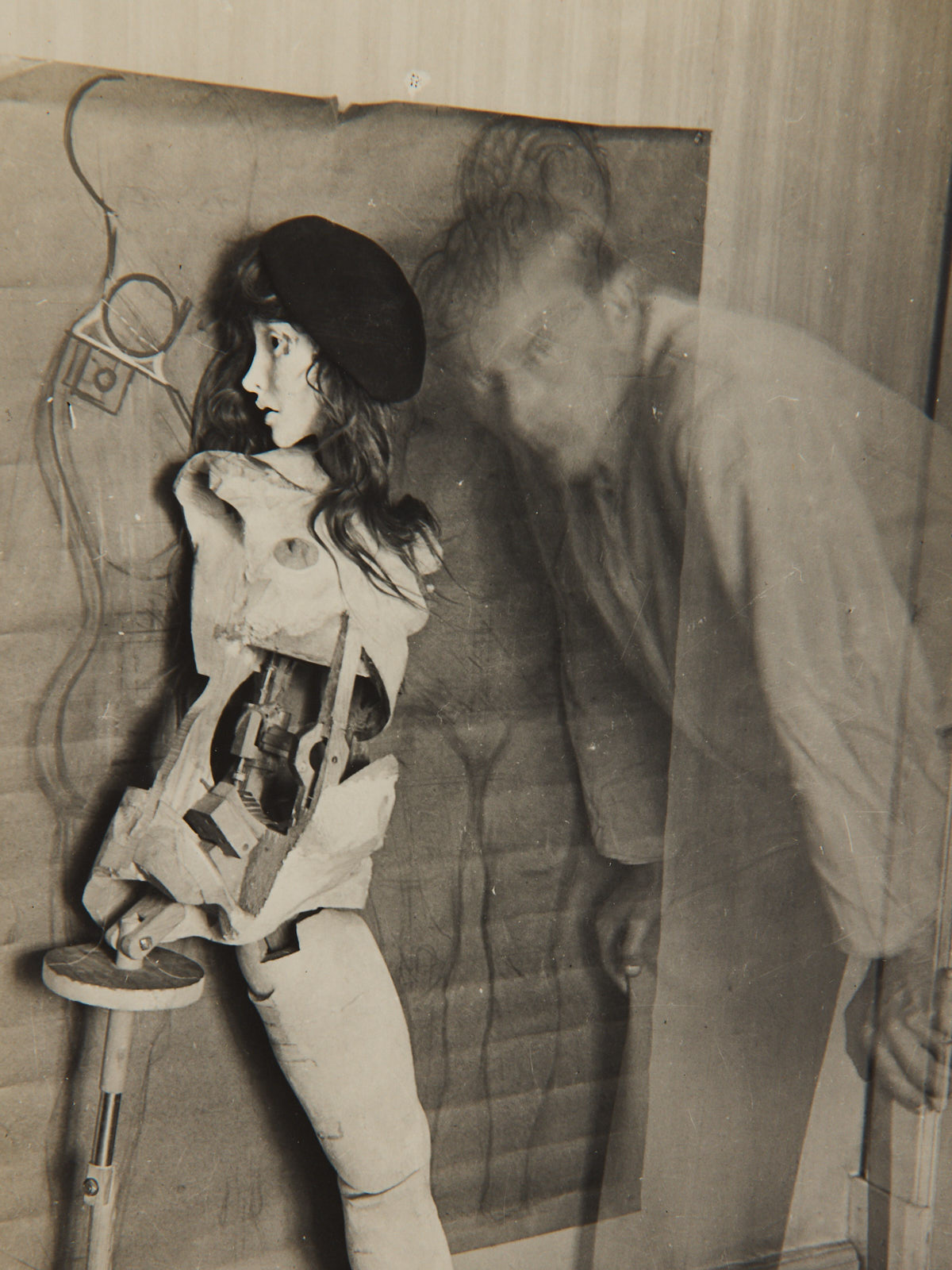
“A fetish object at the heart of an eminently transgressive body of work, essentially photographic and drawn, Hans Bellmer’s famous life-size Doll has all but become an icon, opening the way to a very contemporary reflection on bodily integrity and sexual identity. In its own time it worked like a bomb, shattering established categories: neither object nor sculpture, it forms a hybrid, polymorphic organism, an instrument endlessly manipulable and transformable. And although it may be seen as a final avatar of the mannequins, automatons and robots mass-produced in the devastated Germany of the turn of the Great War, it goes beyond the spirit of mockery and social satire that drove that Dadaist vogue: for private use, answering a subjective impulse […], beyond the spirit of revolt against the Nazi order that prompted it, it is above all a work of melancholy and of the “uncanny,” combining the drive of desire and the drive of death, the marvelous and cruelty.” (La collection du Centre Pompidou, La Poupée, Agnès de la Beaumelle, Paris, 2007).
The Surrealists — Paul Éluard, André Breton, Henri Parisot and Georges Hugnet — anticipated the reception this book would find among their own, and they were right: Bellmer sent each of them a copy of Die Puppe (published in Karlsruhe in 1934), with two photographs that would be reproduced in the review Minotaure, provoking a rift within the group. Thanks to Parisot and Éluard, Bellmer was invited to Paris in February 1935. It was a success. Acclaimed and adopted by the Surrealists during this brief visit, he agreed to let Éluard take charge of La Poupée and arrange its translation into French. He thanked Parisot for the project as early as September: “How can I thank you for the great joys I owe you once again?” (5 September 1935). “The day before yesterday I received your letter!.. You then raise the question of a text about me and the translation of my text on Poupée. On the first point I have no idea who would want to write it… I have no right to presume that among the Surrealist writers there exists an objectified impulse to write something about me… Having (above all) read Appliquée, I am of the opinion that Paul Éluard, among the Surrealist writers, is the closest to my text” (October 1935). In the end, the translation was entrusted to Robert Valançay, and received as early as November: “This morning I received your letter confirming the arrival of the translation with my notes… without the impulses of your friendship […] I am absolutely certain that the Surrealists’ interest in me would have been fading” (12 November 1935).
The book, after lengthy exchanges concerning which photographs to include, finally went to press in spring 1936: 105 copies came off the presses of Guy Lévis Mano, adorned with original prints by Hans Bellmer — including 2 previously unpublished photographs, different from those in the 1934 original German edition.
Hans Bellmer, Photographe, Centre Georges-Pompidou, pp. 16–26; Dourthe, Bellmer, le principe de perversion, pp. 52–53; Roth, The Book of 101 Books, Seminal Photographic Books of the Twentieth Century, pp. 88–89; Coron, Les Éditions GLM, no. 100.