

Lolita
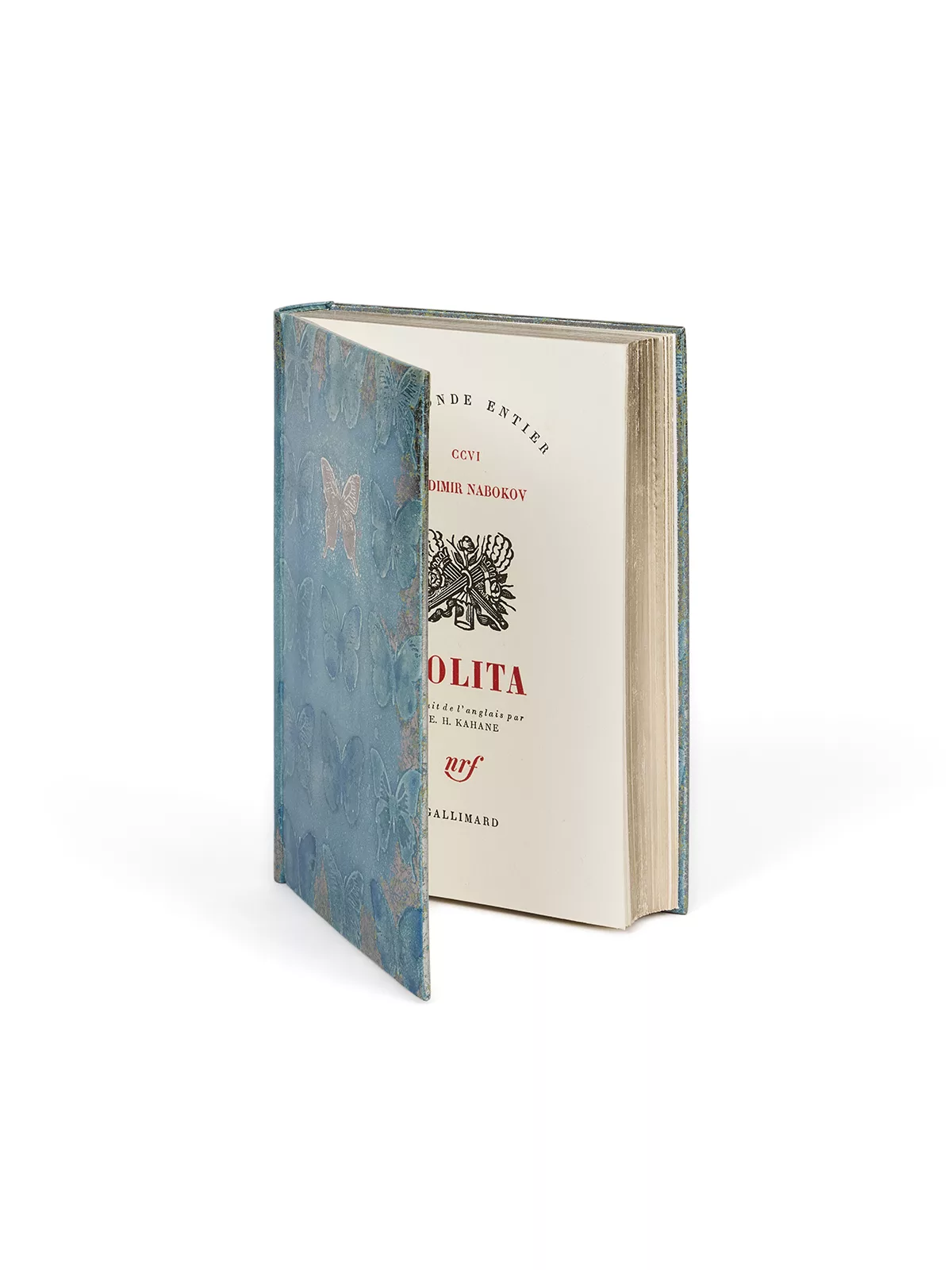
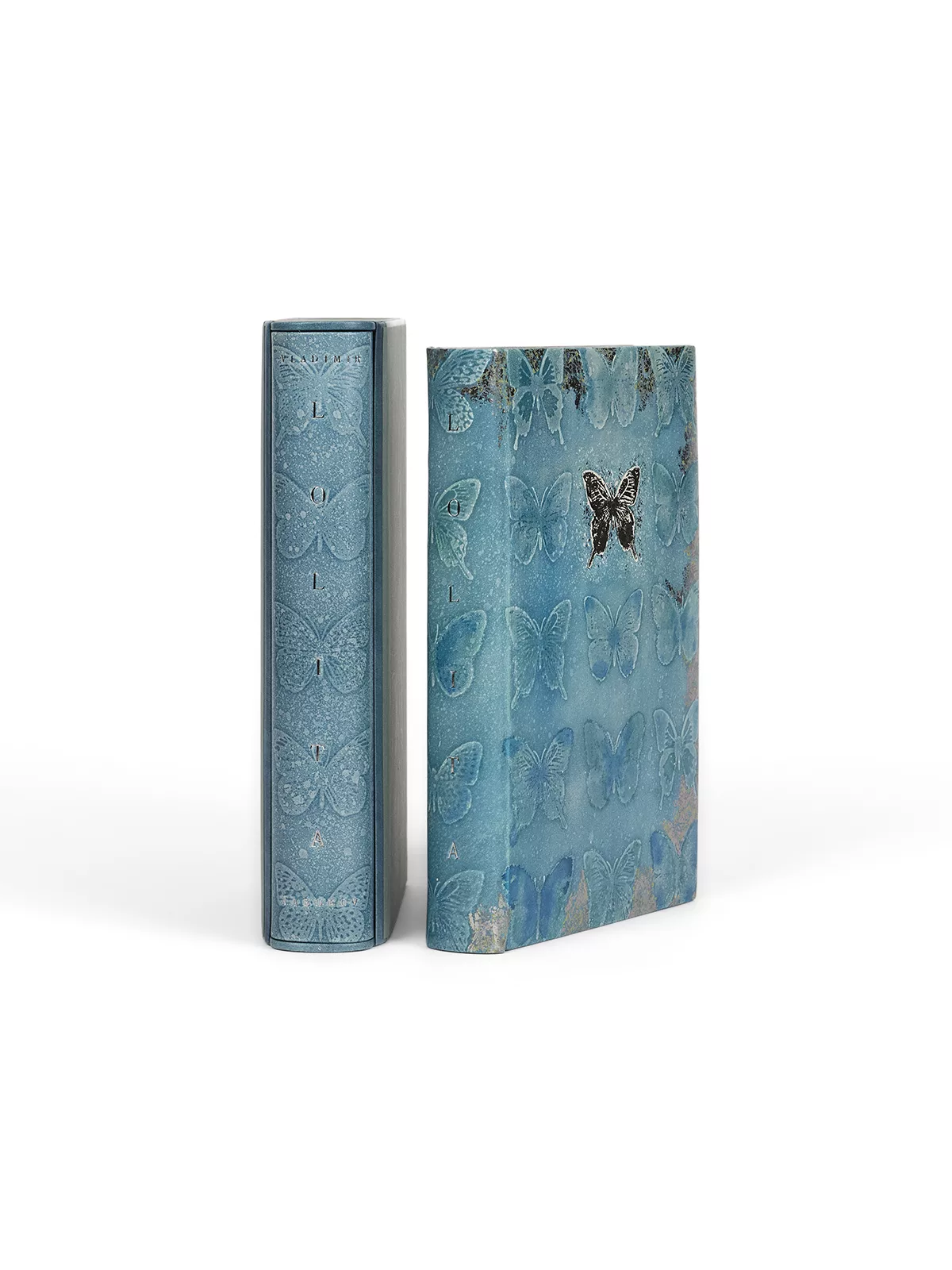
One of 86 copies from the deluxe issue on vélin pur fil (no. 68).
“Lolita…” three syllables that gave a novel its title, a novel that nearly never appeared and sent a shiver through the literary establishment. Discouraged at his inability to bring the manuscript to a satisfactory close, Nabokov attempted to burn it. Saved from the flames by his wife, whose physical traits and character Lolita partly shares, the completed manuscript was submitted to numerous American publishers. Every attempt ended in refusal, publishers fearing prosecution given the “insane perversity” running through every page of this scandalous, incandescent and transgressive narrative. It was therefore in France, in 1955, that Lolita first appeared, from the presses of Maurice Girodias. Even so, the book was banned, and Nabokov himself was reluctant to defend it further: “I am somewhat loath to expose myself in the company of The Olympia Press. But I also find it hard to see the matter as a whole. I must take into account that Cornell University has so far been very tolerant […]. On the other hand, I naturally wish to give Olympia all the support I can, even though, personally, I care little whether the ban is lifted or not, since Gallimard will in any case publish the French translation.”
Such indeed was the paradox: the ministry banned the original English text, although relatively few French readers could read it, while raising no objection to the publication of a French translation. It was Raymond Queneau — then writing Zazie dans le métro — who persuaded Gallimard to publish the novel. The translation was entrusted to none other than Erik Kahane, the brother of Maurice Girodias.
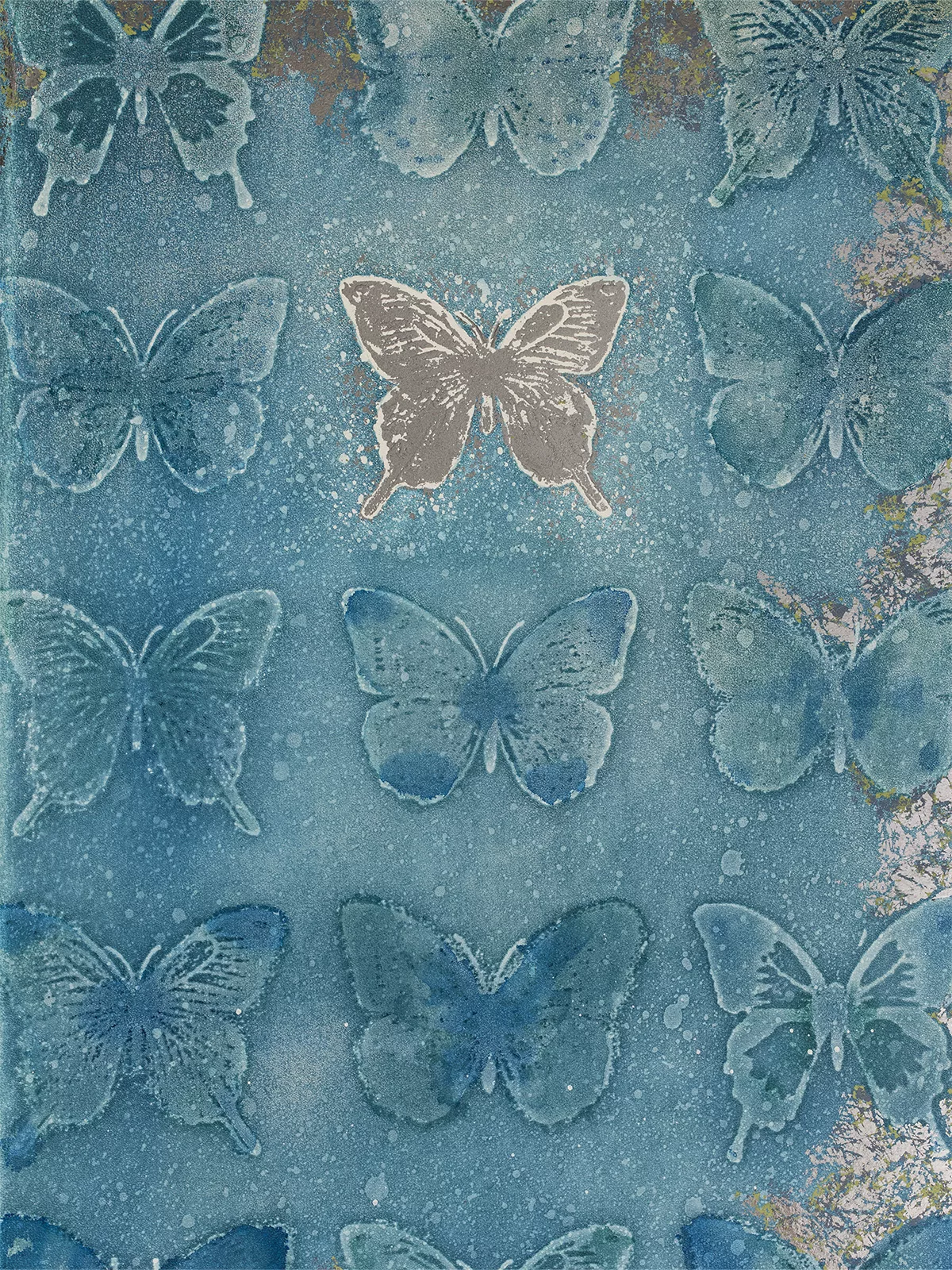
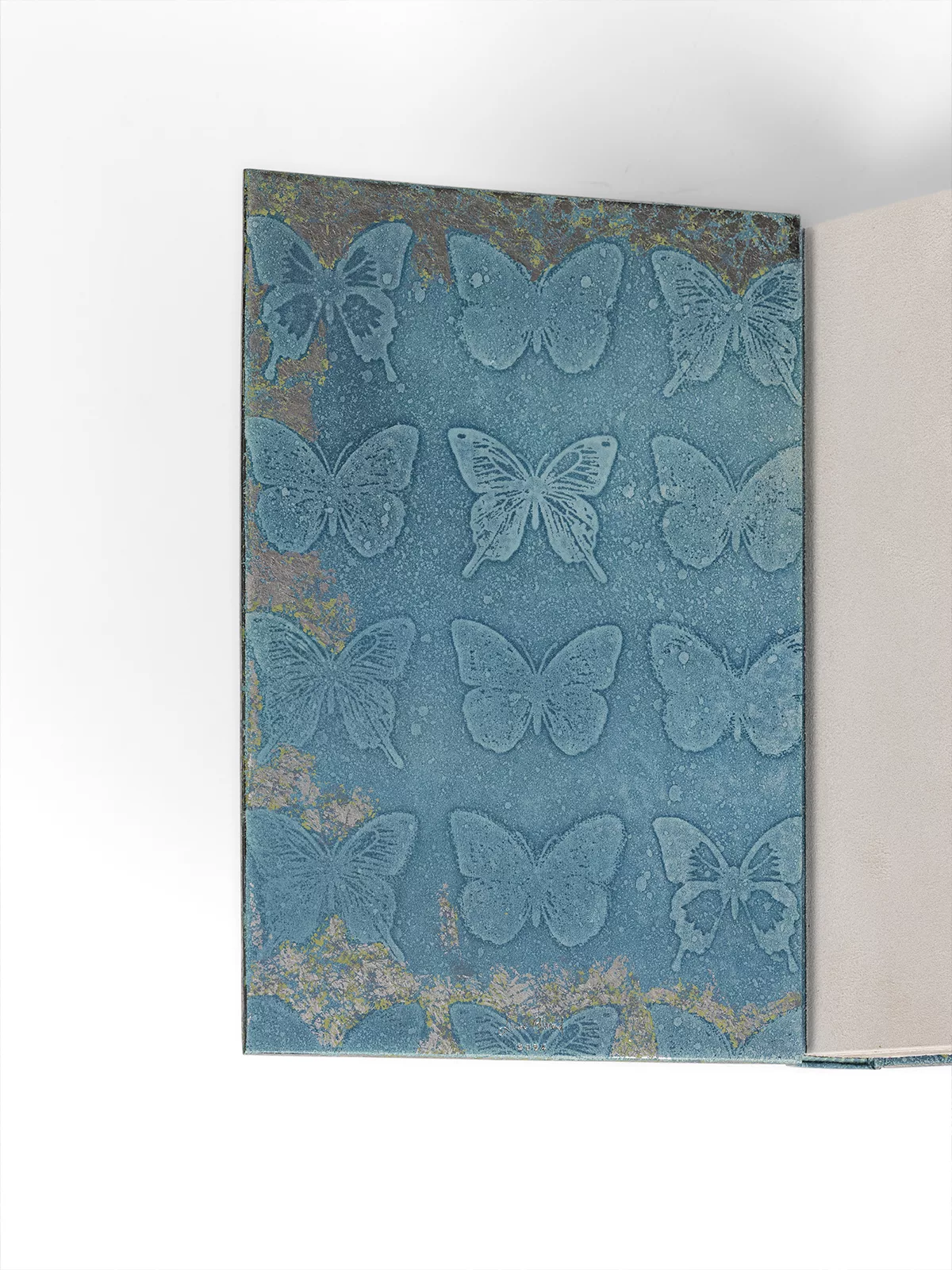
A very fine copy, decorated with a butterfly — the very transformation Humbert Humbert wishes never to see take place, seeking as he does to deprive the nymphet of her essential quality, her power of metamorphosis: to keep Dolores Haze from ever being anything but Lolita, and Lolita from ever becoming anything other than the role her captor has chosen for her: “In the mornings she was plain Lo, standing four feet ten in one sock. She was Lola in slacks. She was Dolly at school. She was Dolores on the dotted line. But in my arms she was always Lolita.”
A particularly desirable copy.