

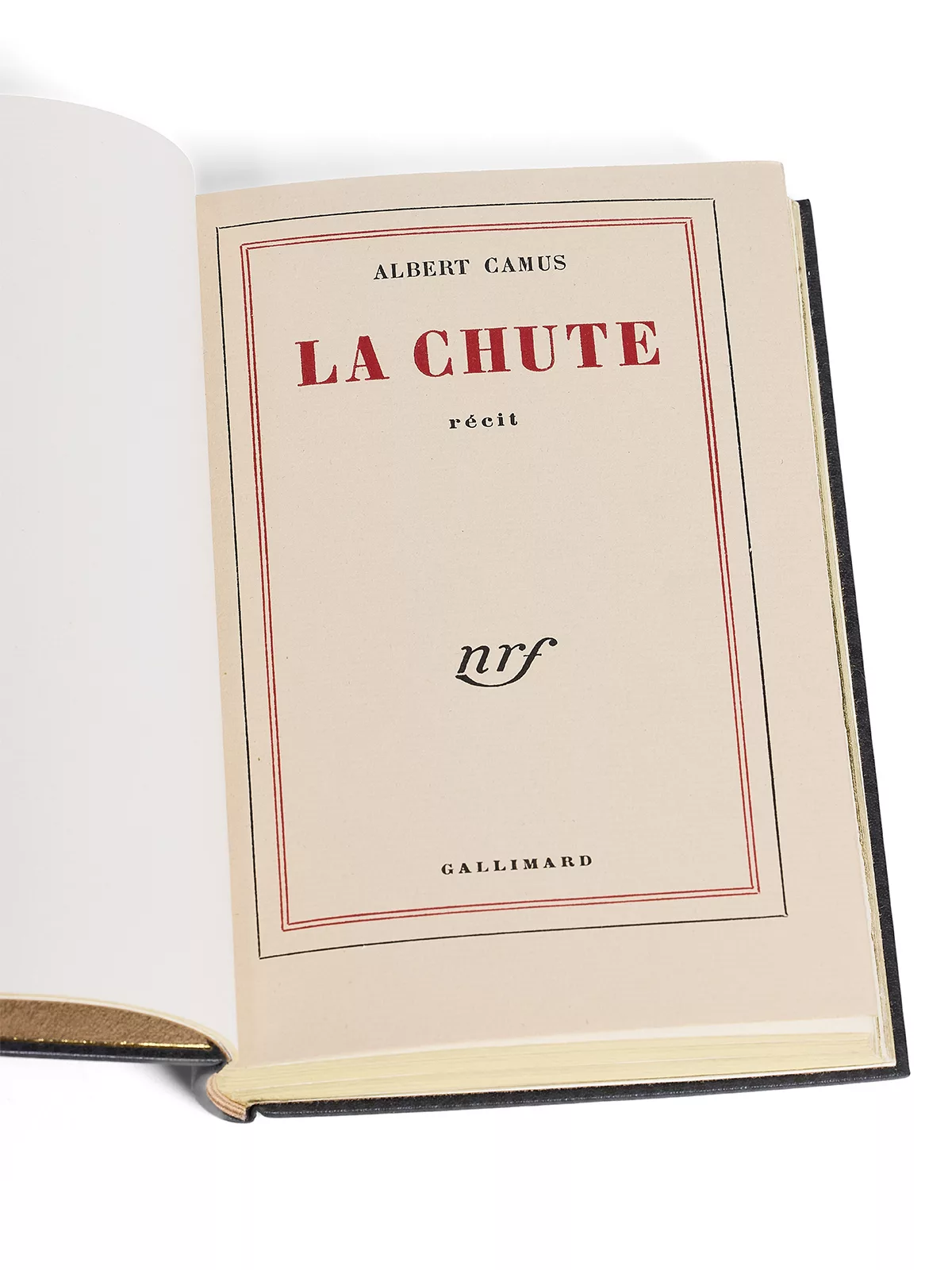
La Chute
In 1956, alongside his journalistic work, Albert Camus was writing for the theater and composing several short stories between 1954 and 1956, intended for L’Exil et le Royaume, published the following year. One of these stories, however, diverted him from his original plan: “La Chute, before becoming a long récit, was part of L’Exil et le Royaume. This collection comprises six stories (…). Yet a single theme runs through them, that of exile, from interior monologue to realistic narrative. The six stories were in fact written one after another, though later revised and reworked separately (…). Exile, in its own way, shows us the paths forward, on the sole condition that we know how to reject both servitude and possession.”
La Chute — whose original title is unknown — was removed from the planned collection early in 1956, being too long, and Camus expanded the text into the novel we know today.
Published on May 16 under a title suggested by Roger Martin du Gard, La Chute was an immediate bestseller. Those who had ironically predicted “the fall of Camus” fell silent. Most contemporary readers saw the text as a kind of autobiography, an interpretation Camus consistently denied: “My only point in common with Jean-Baptiste Clamence — with whom people insist on identifying me — would be his lack of imagination,” he stated in Le Monde.
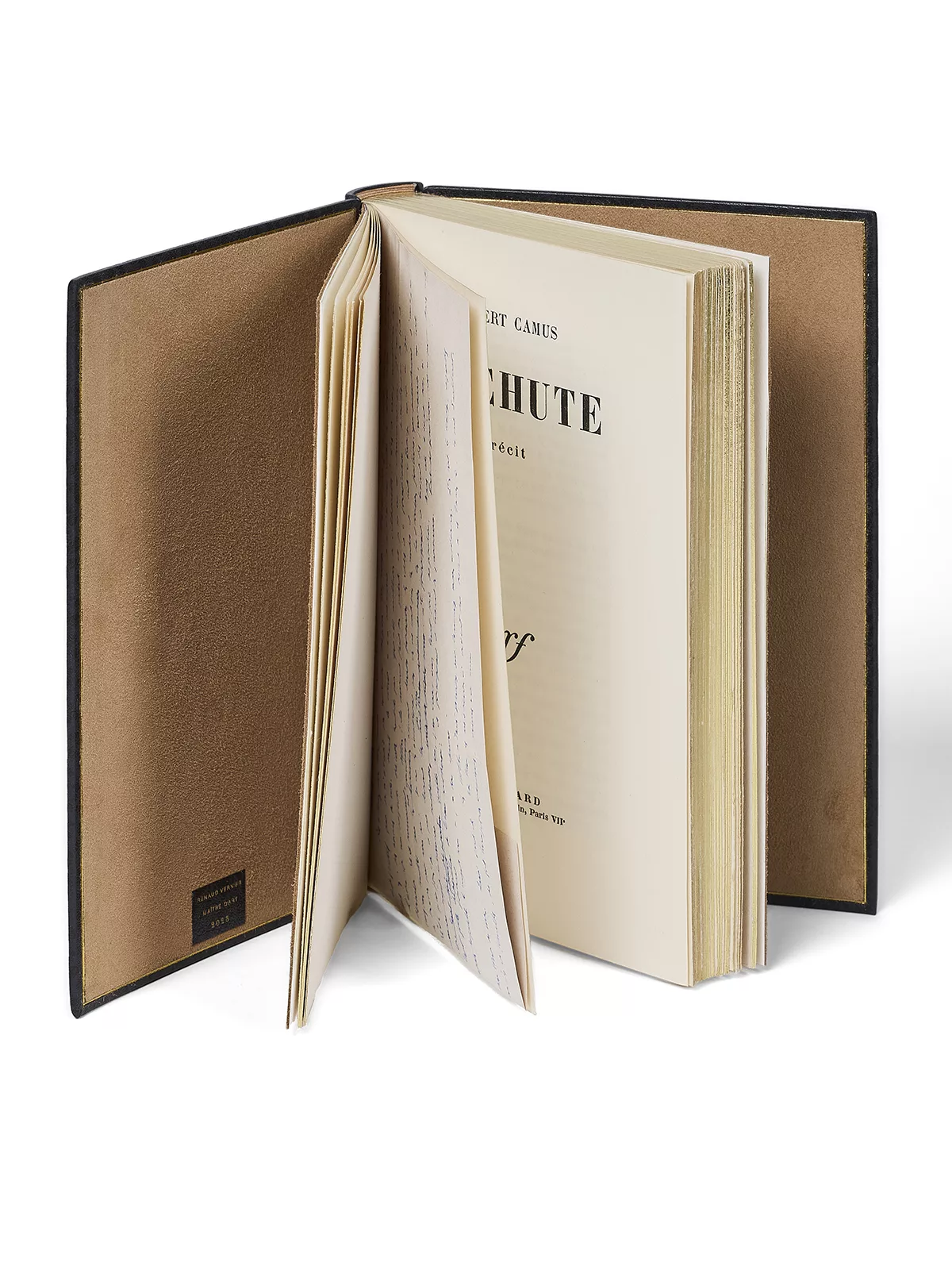
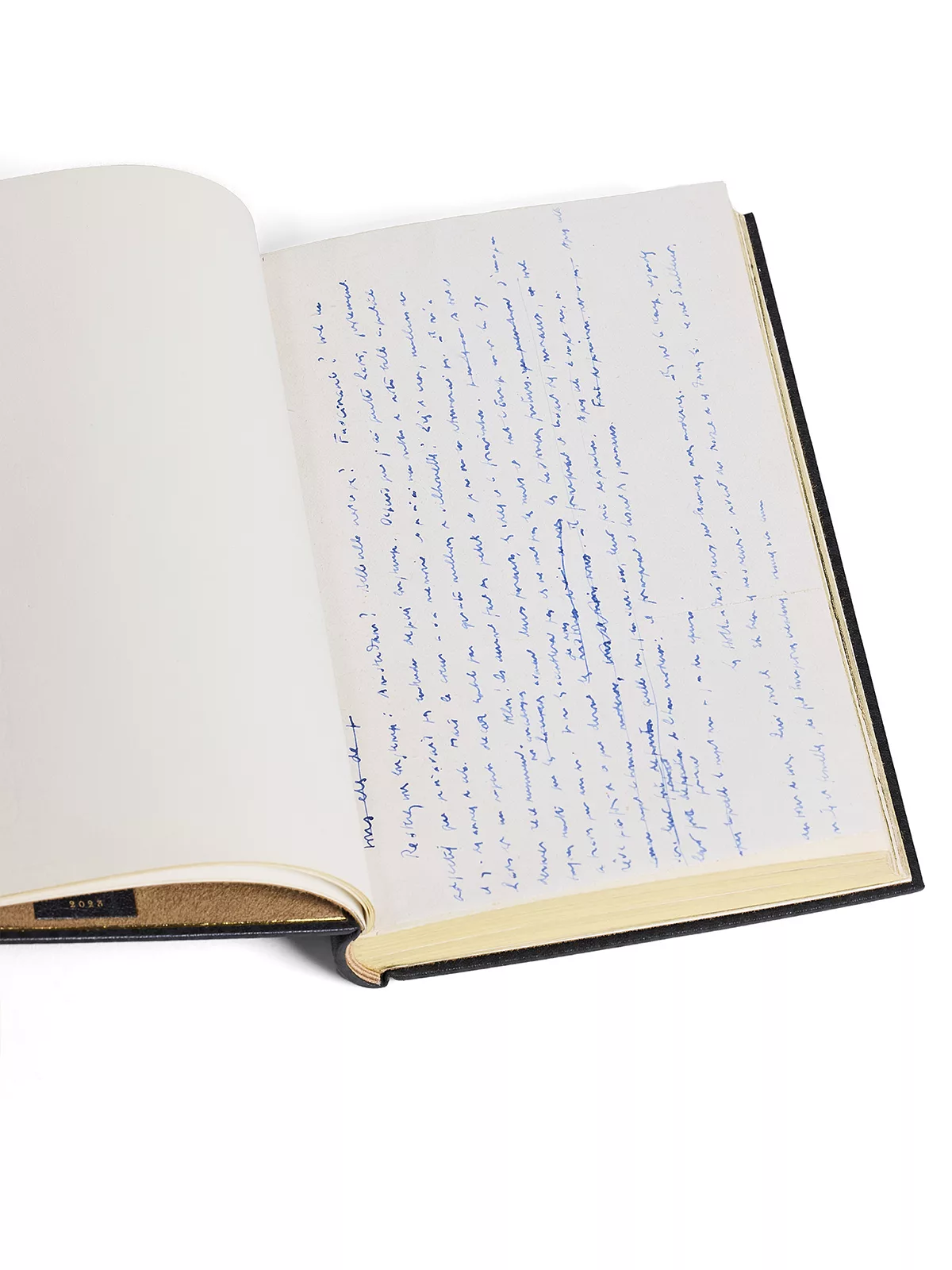
A very fine copy, enriched at the front with an important working draft, containing several variants and corrections (16 lines, in blue ink). The text corresponds to the fifth paragraph of the novel’s opening, in which the “hero,” Jean-Baptiste Clamence, introduces himself and describes his surroundings in Amsterdam, where he approaches a fellow countryman in a disreputable bar, the Mexico-City, and offers to act as his interpreter with the bartender.
“Will you be staying in Amsterdam for a while? A beautiful city, isn’t it? Fascinating? There’s an adjective I haven’t heard in a long time. Not since I left Paris, in fact, years ago now. But the heart has its own memory, and I have forgotten nothing of our beautiful capital. Paris is a magnificent stage set inhabited by four million silhouettes […]. The Dutch, for their part, are far less modern. They take their time, living day by day. What do they do? Well, these gentlemen live off the work of those ladies. They are, moreover, both male and female, thoroughly bourgeois creatures, come here, as usual, out of mythomania or stupidity.”
This was the last novel Camus completed, divided into six parts, its events unfolding over five successive days. A year later, he would receive the Nobel Prize in Literature.
The volume is accompanied by a typed letter signed by Suzanne Agnely, Albert Camus’s secretary, written on his behalf and addressed to André Devaux:
Paris, February 21, 1958.
1 p. on 1 leaf (135 x 210 mm), on NRF letterhead.
“M. Albert Camus has just left Paris for a trip of about three months. Before his departure, he asked me to write to you on his behalf to thank you for your letter and your interest, and to send you a manuscript page of La Chute. […]”
A student in the hypokhâgne at the Lycée Henri-IV in Paris, André Devaux studied during the Second World War under Ferdinand Alquié. He specialized in philosophy and continued his studies at the Sorbonne under René Le Senne. After earning his agrégation, he began teaching at lycées in Laon and Rouen, as well as at the teacher-training college in Besançon. He was later appointed lecturer at the Sorbonne, where he was for many years deputy head of the philosophy department. A philosopher and specialist in the work of Pierre Teilhard de Chardin and René Le Senne, he wrote important texts on Saint-Exupéry and Charles Péguy, and was a leading authority on Simone Weil.
He produced several studies devoted to Albert Camus (Albert Camus devant le christianisme et les chrétiens, 1968; Albert Camus et l’hellénisme, 1970), and his writings on Weil quote extensively from Camus’s work. In an essay published in Science et Esprit, he cited several passages from La Chute, a novel in which, in his view, “Camus honors the crucified man, but fails to see the Redeemer.”
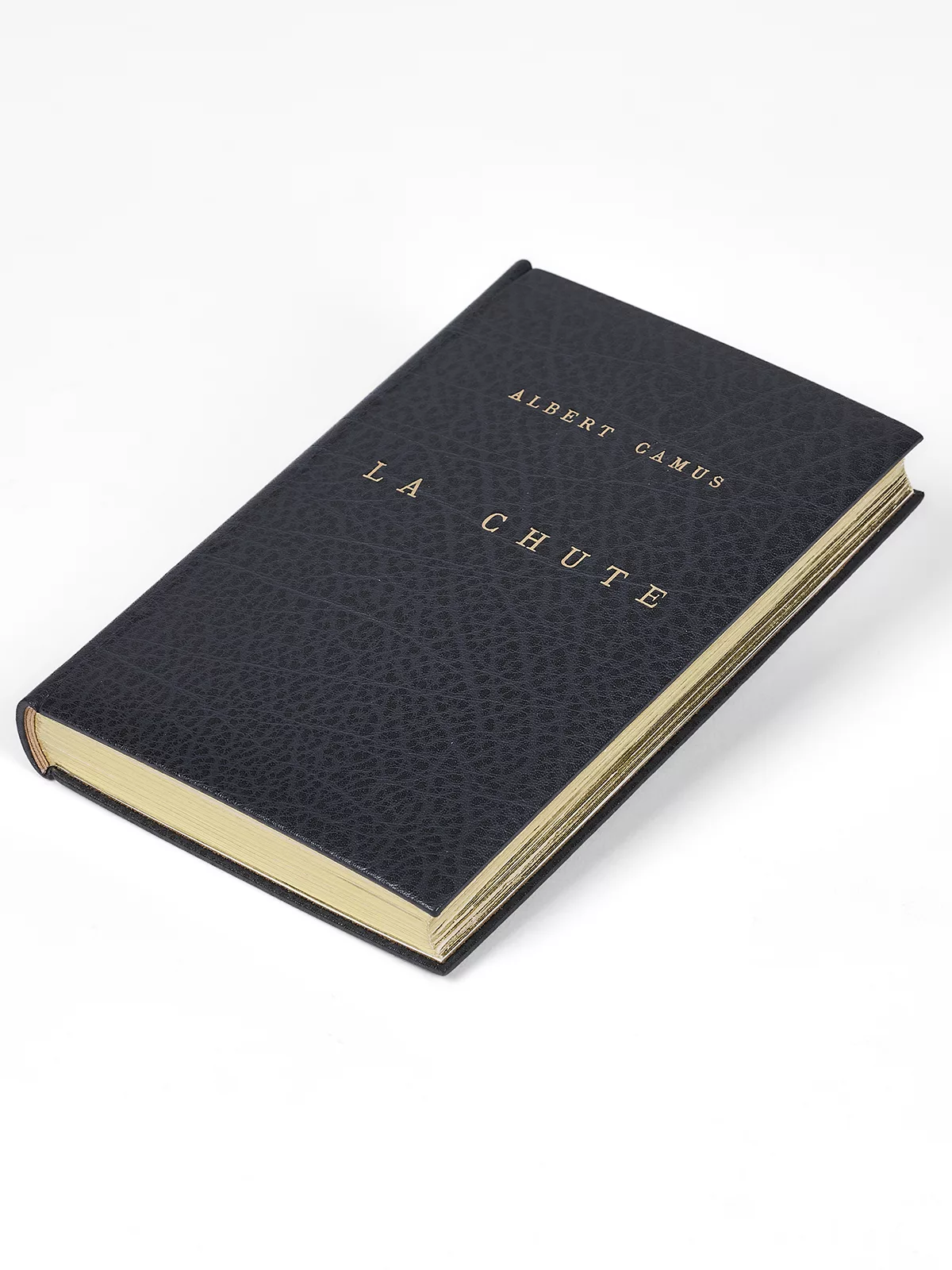
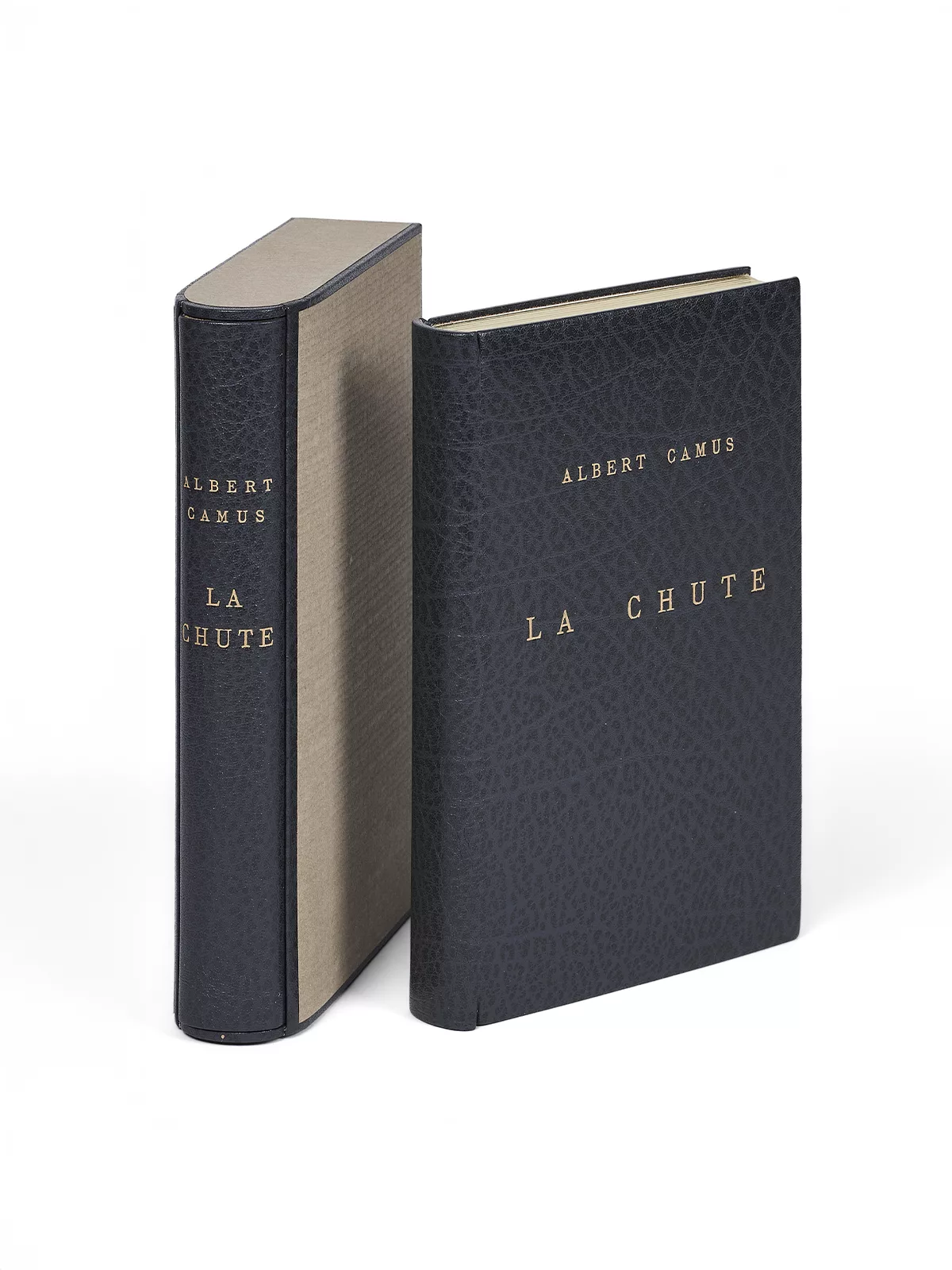
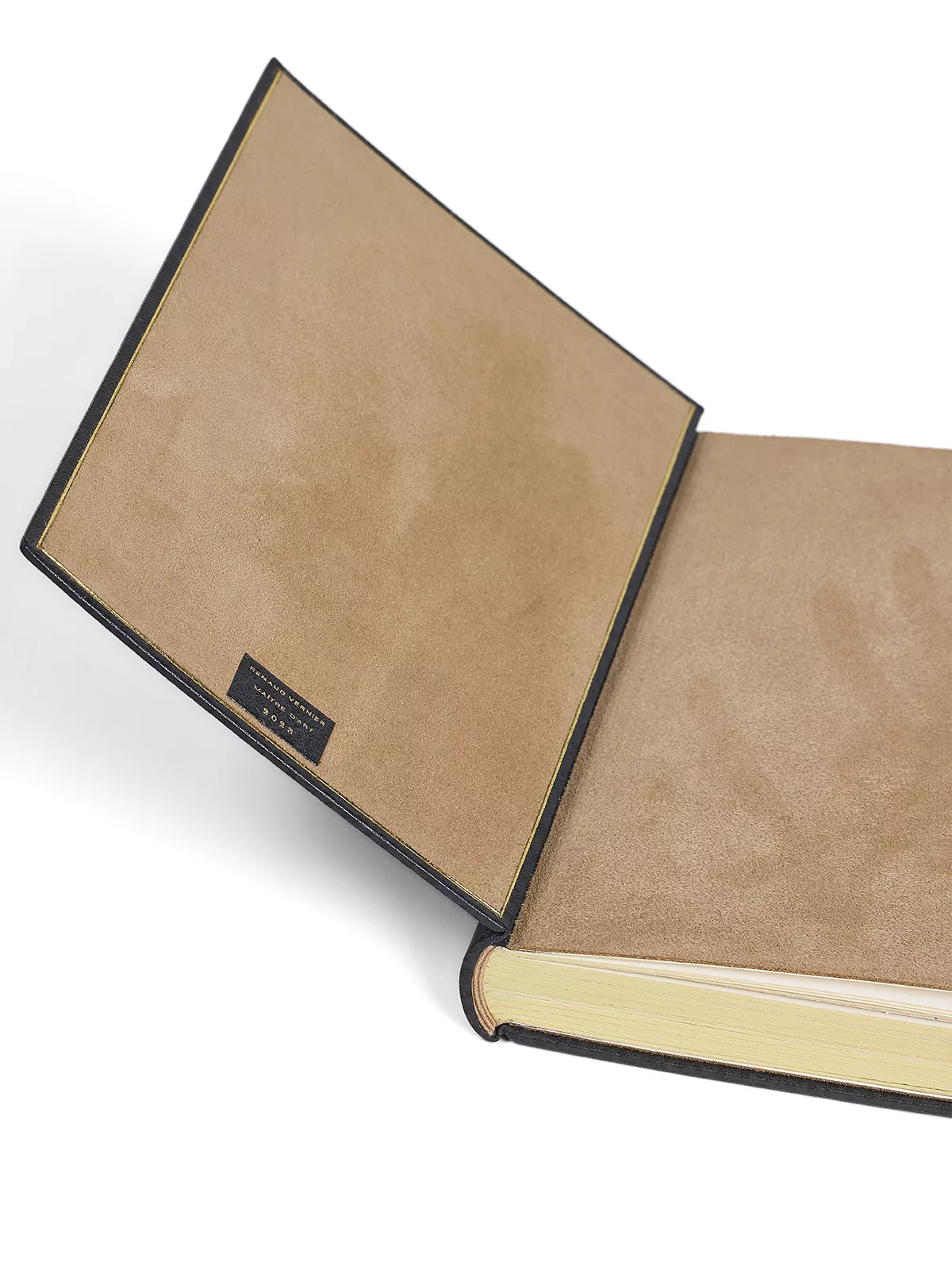
A copy beautifully bound by Renaud Vernier.